Showing 61-80 of 134
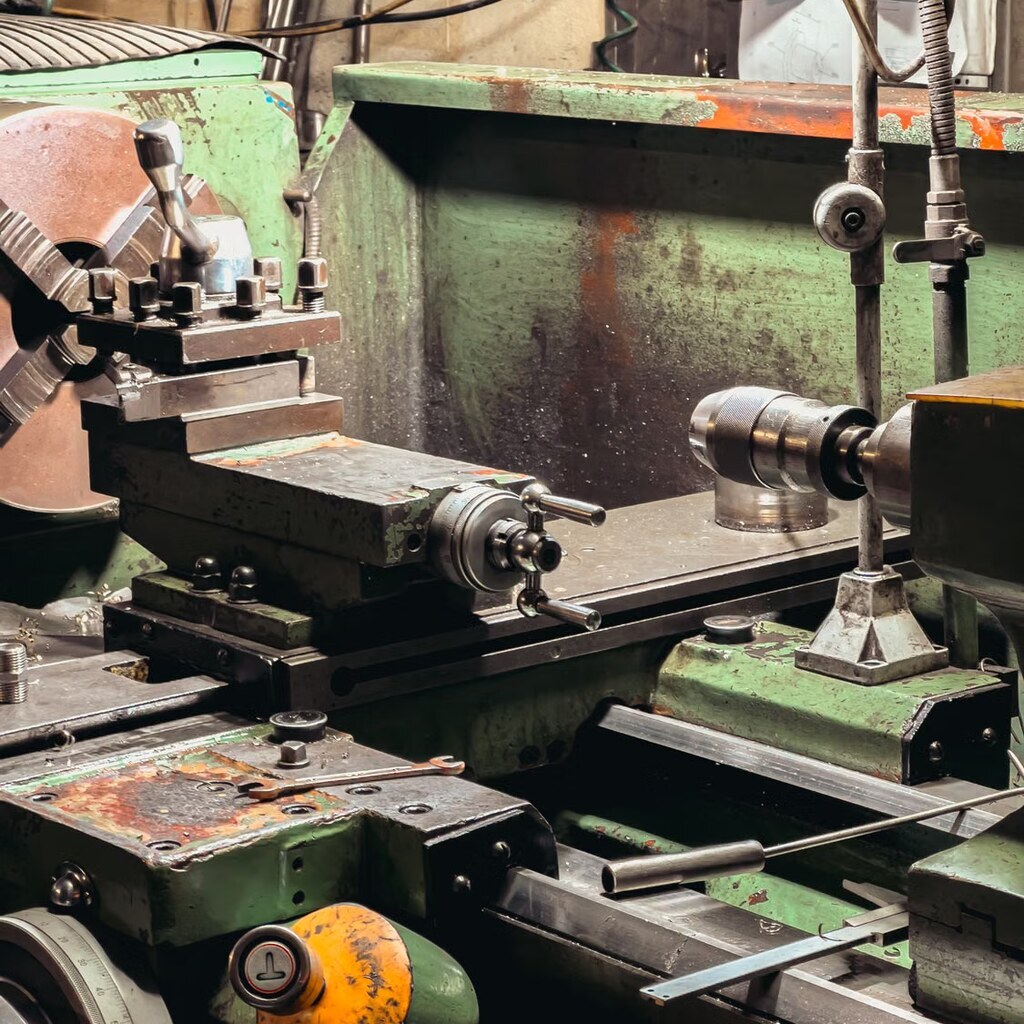
A lathe is a machine that spins a piece of material while a sharp tool shapes it. It is often used to make rounded, decorative objects. A lathe can be automatic or a person can operate it.
A lathe can shape wood, metal or plastic into items such as chair legs, bowls, or machine parts. Lathes are commonly found in workshops, factories, and schools.
A lathe can shape wood, metal or plastic into items such as chair legs, bowls, or machine parts. Lathes are commonly found in workshops, factories, and schools.
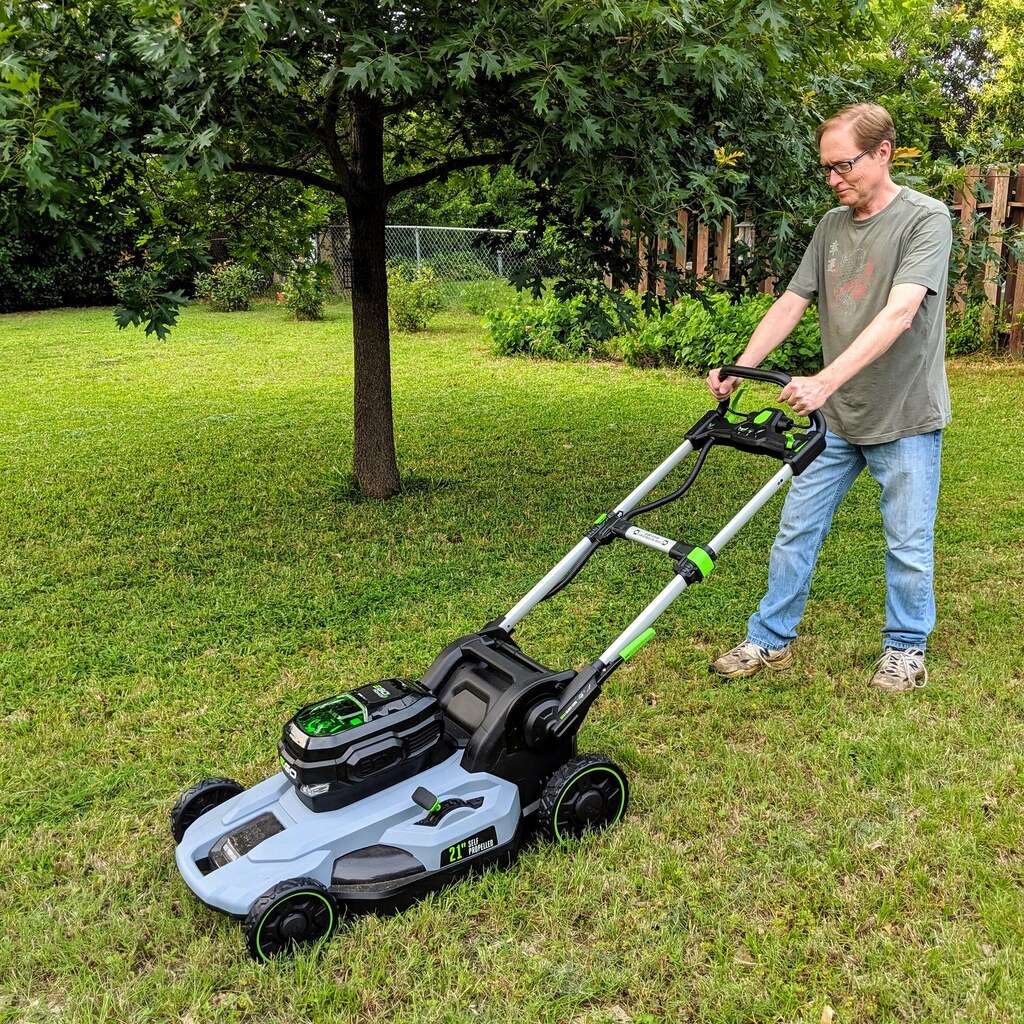
A lawnmower is a tool for cutting the grass in your lawn. Lawnmowers come in several different types.
Lawnmowers can be ride-on like a small car, and you drive them around over your lawn. This kind is good for really, really big lawns.
Then there are push-mowers that don't have an engine and rely on you pushing them to spin a blade that cuts the grass. This kind are hard to use and are not very common anymore.
The most common is the kind in the picture, where you push it to make it go where you want, but the blade is powered by a petrol or electric motor.
Lawnmowers can be ride-on like a small car, and you drive them around over your lawn. This kind is good for really, really big lawns.
Then there are push-mowers that don't have an engine and rely on you pushing them to spin a blade that cuts the grass. This kind are hard to use and are not very common anymore.
The most common is the kind in the picture, where you push it to make it go where you want, but the blade is powered by a petrol or electric motor.
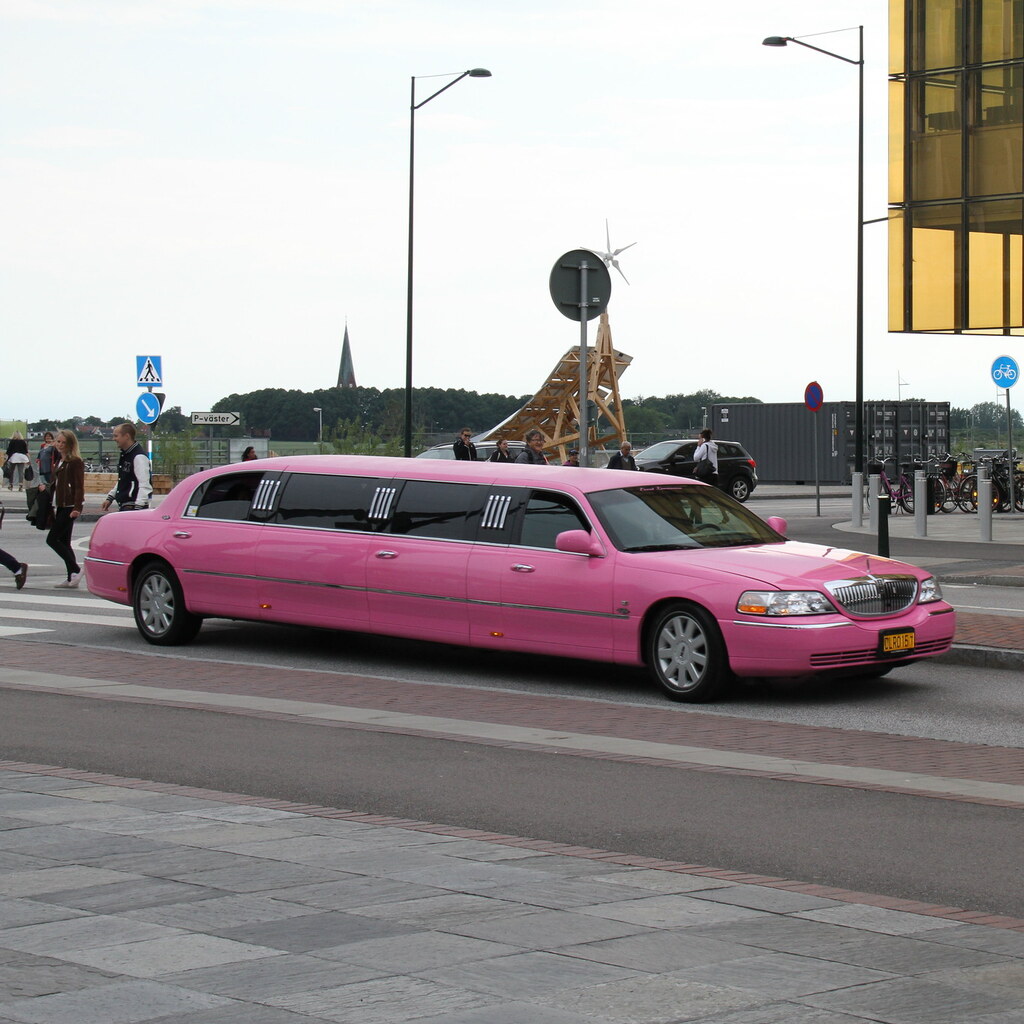
A limousine, also spelt limosine or just limo for short, is a luxury car. Limousines are usually very long, and can seat a lot of people.
Private individuals don't generally own limousines, you generally hire one when you need it and have a professional chauffeur drive it for you. People often hire limousines at weddings.
Private individuals don't generally own limousines, you generally hire one when you need it and have a professional chauffeur drive it for you. People often hire limousines at weddings.

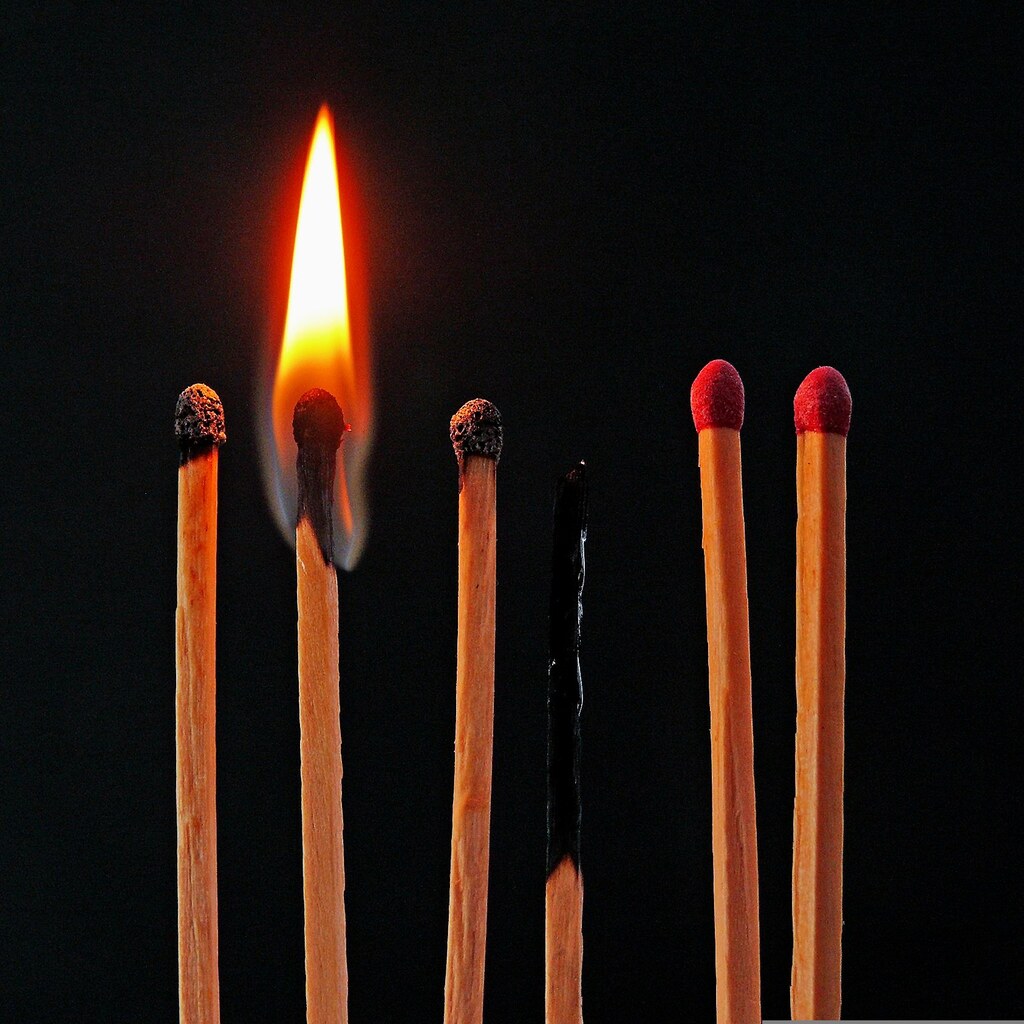
A match is a small stick with chemicals at one end that catch fire if they are rubbed along a rough surface. Matches are usually sold in a matchbox or matchbook that has a rough edge on one side to strike your matches on.
Matches are used to light fires, candles and smoking devices like cigarettes.
Match can also mean things that are similar in some way.
Matches are used to light fires, candles and smoking devices like cigarettes.
Match can also mean things that are similar in some way.

A metronome is a device that makes a steady beat, like the ticking of a clock.
You can set a metronome to different speeds. It is used by singers, dancers, and musicians play or practice in time. You often see metronomes in music practice rooms, and you can get metronome phone apps.
You can set a metronome to different speeds. It is used by singers, dancers, and musicians play or practice in time. You often see metronomes in music practice rooms, and you can get metronome phone apps.
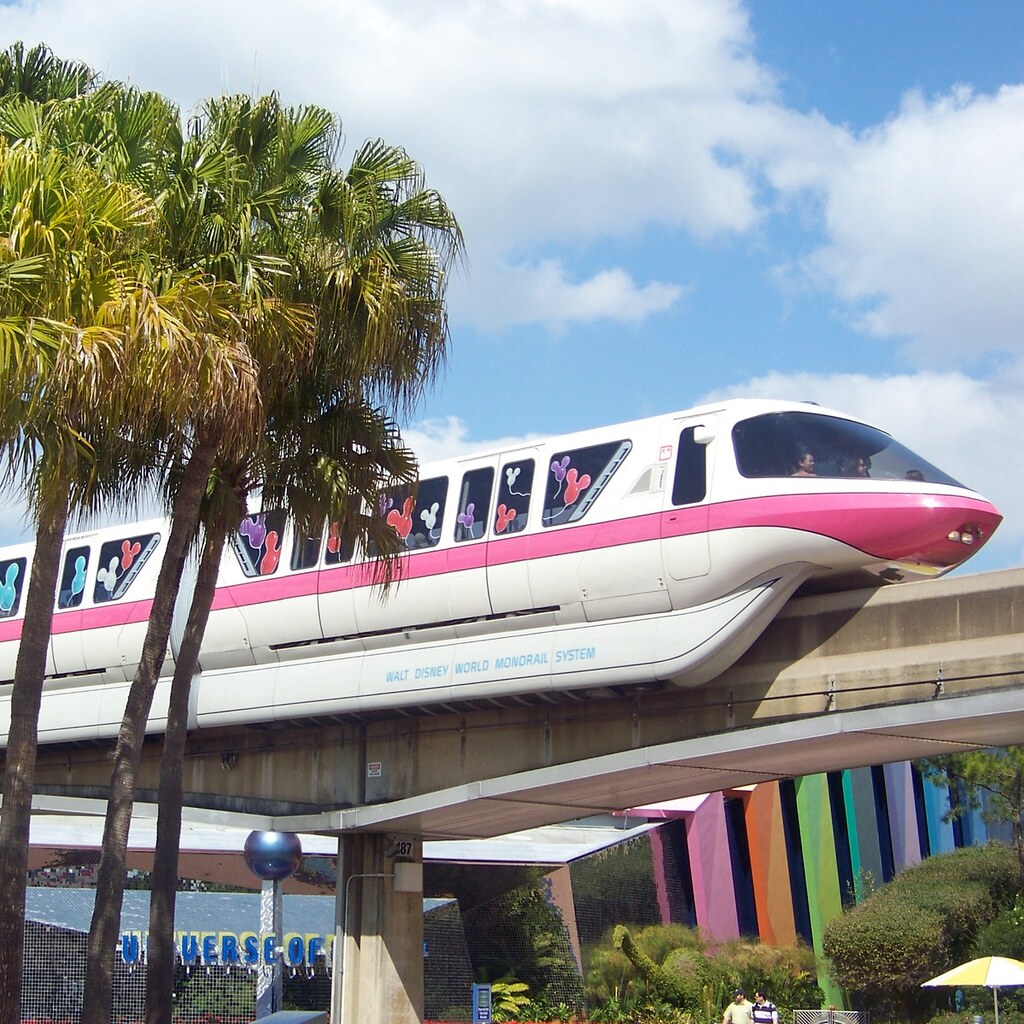
A monorail is similar to a train in that it travels along a fixed track. The main difference is a monorail has only one track, not two like regular trains. Some kinds of monorail hover above their track (also called a rail or beam). These are called maglev monorails.
Many monorails travel on raised tracks above a city. Not all monorails are raised like this. The beams a monorail travels on are large and solid and are often cast out of concrete, like the raised platform itself.
Many monorails travel on raised tracks above a city. Not all monorails are raised like this. The beams a monorail travels on are large and solid and are often cast out of concrete, like the raised platform itself.
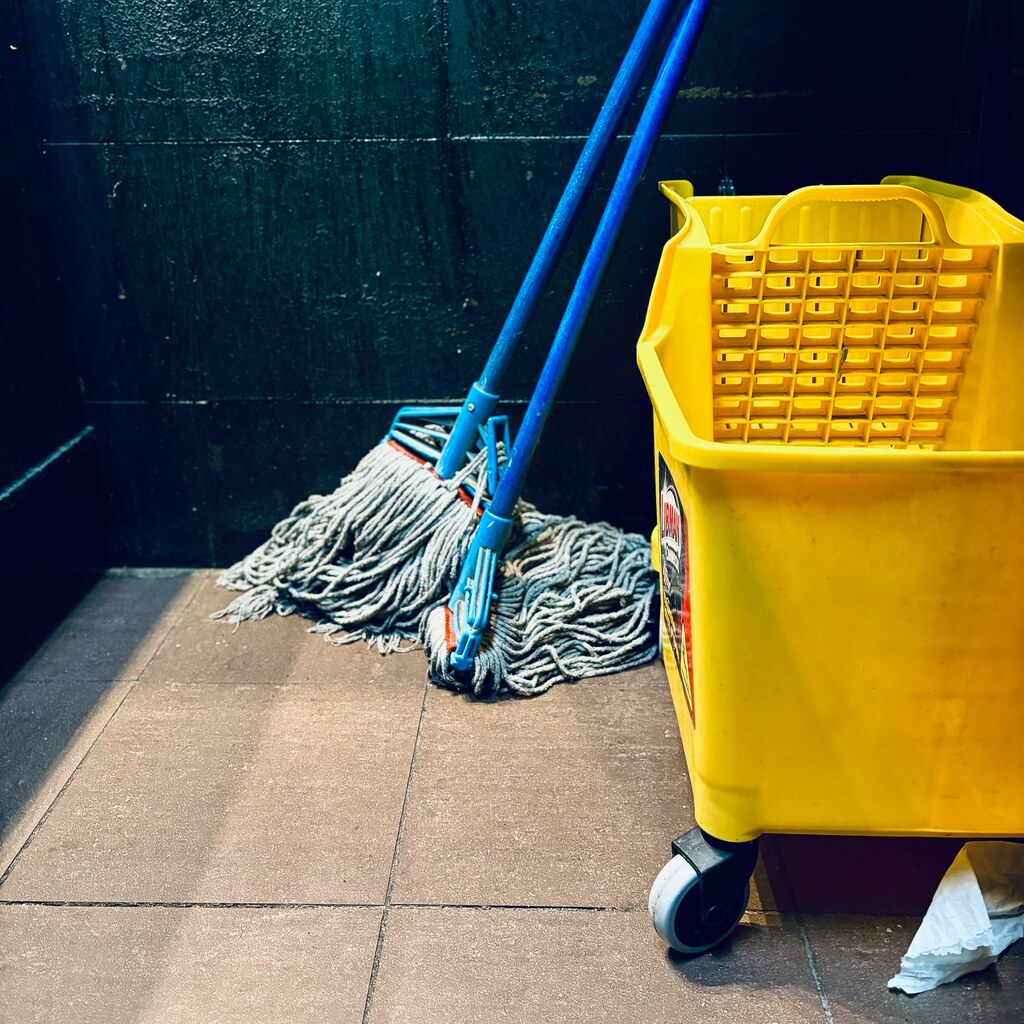
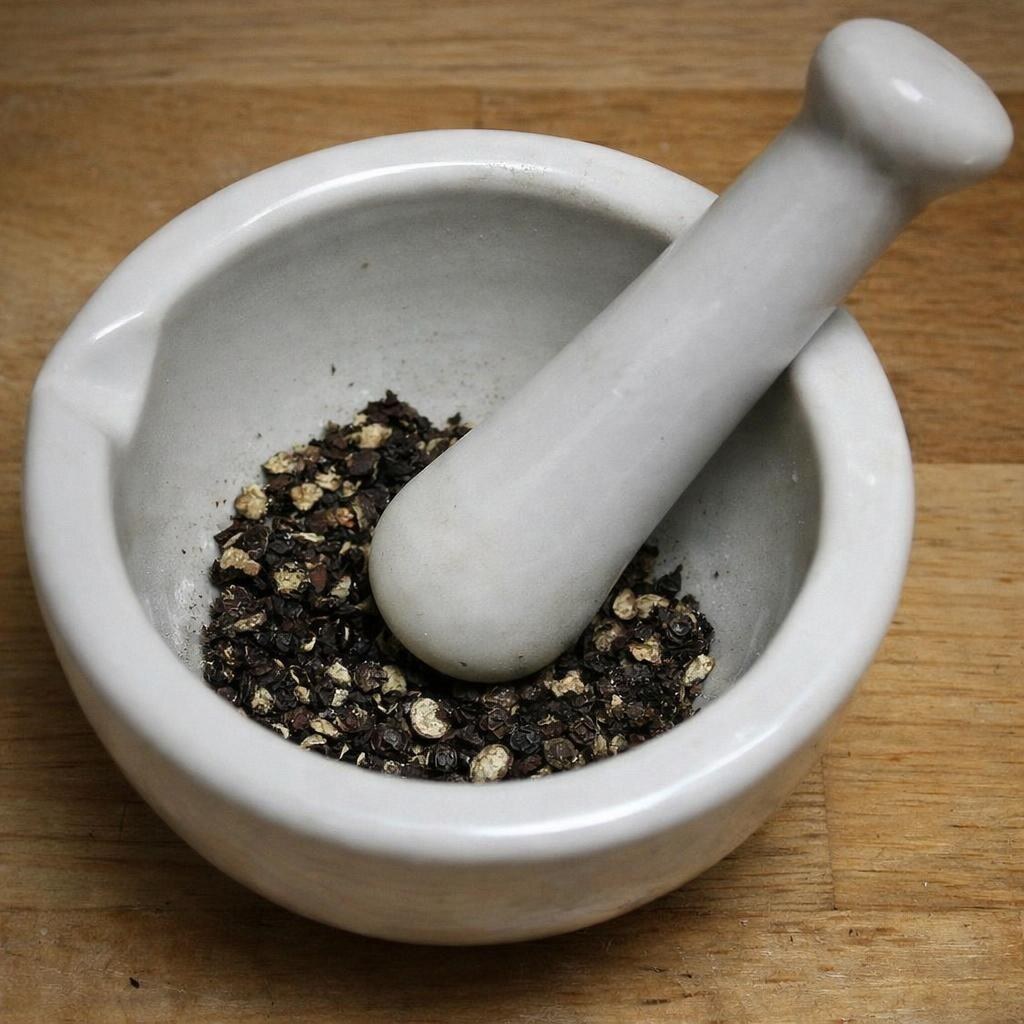
M is for Mortar and pestle
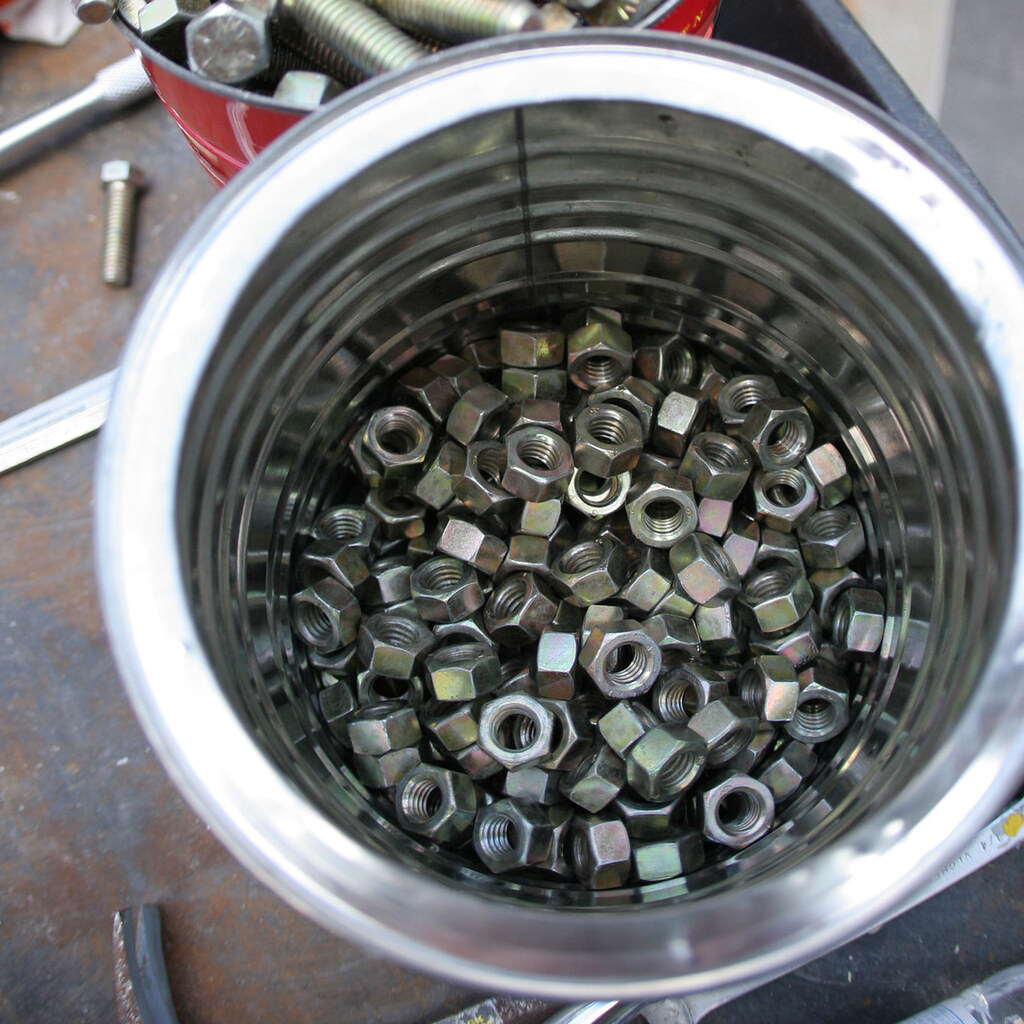
N is for Nut (Tool)
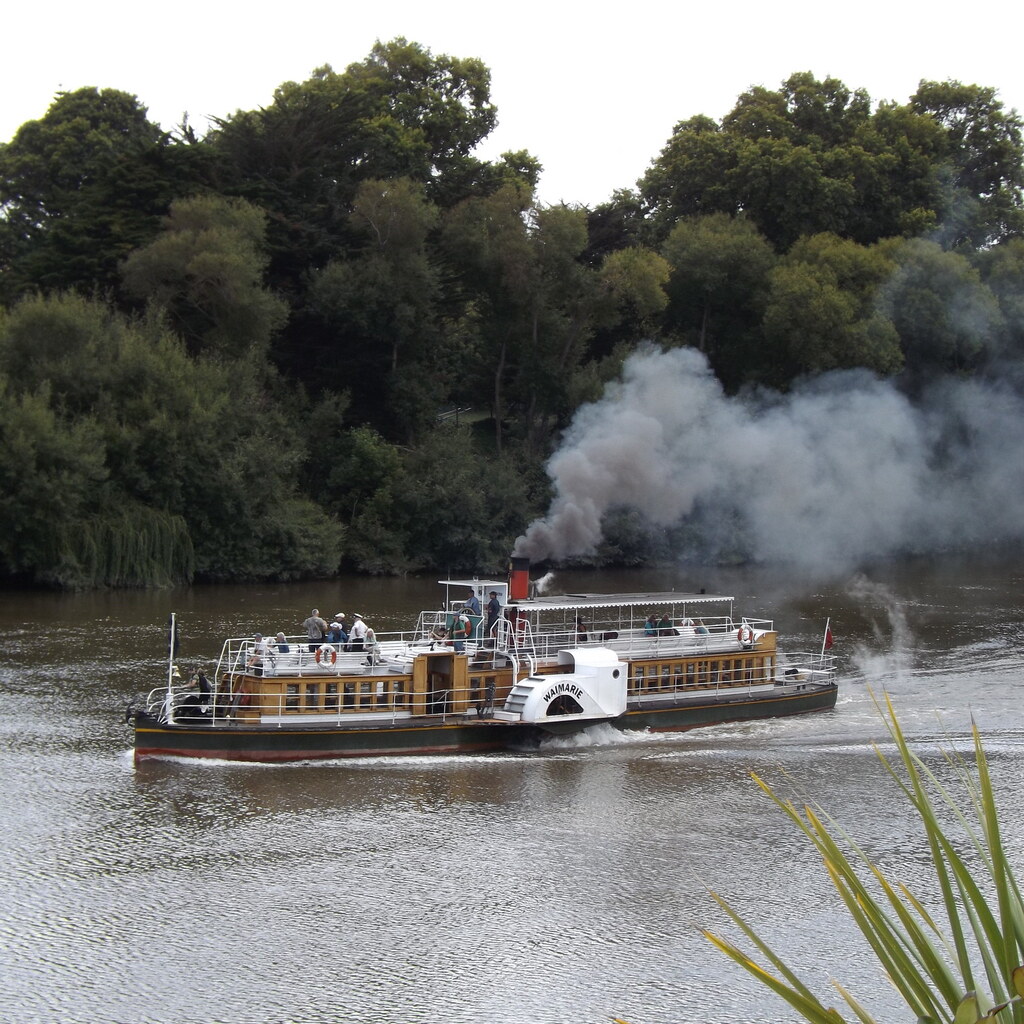
P is for Paddle steamer
Paddle steamers are usually found on still, calm water like rivers. The paddle wheel can be driven by either a steam engine or a more modern electric or diesel engine.
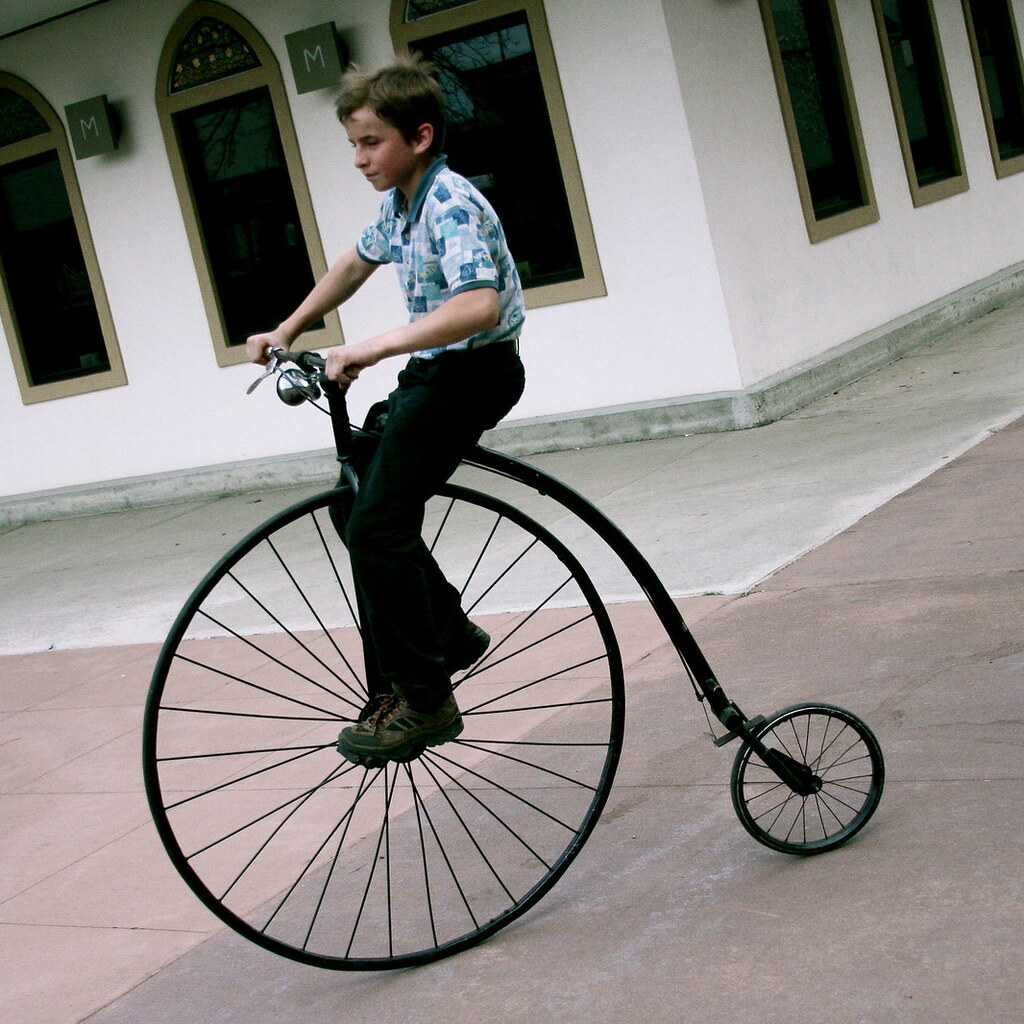
P is for Penny Farthing
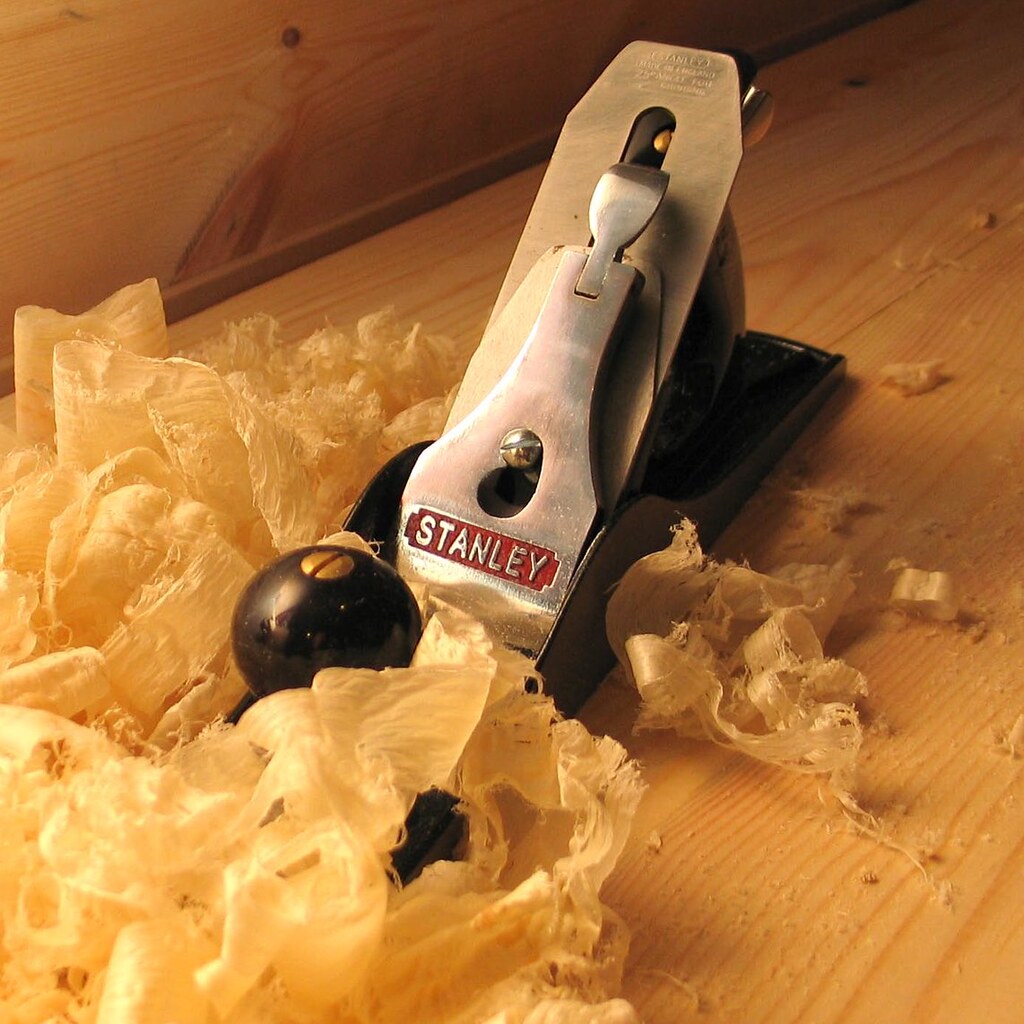
P is for Plane (Tool)
As with many hand tools, you can also buy electric planes that don't require as much force to get them to work.