Showing 121-140 of 198
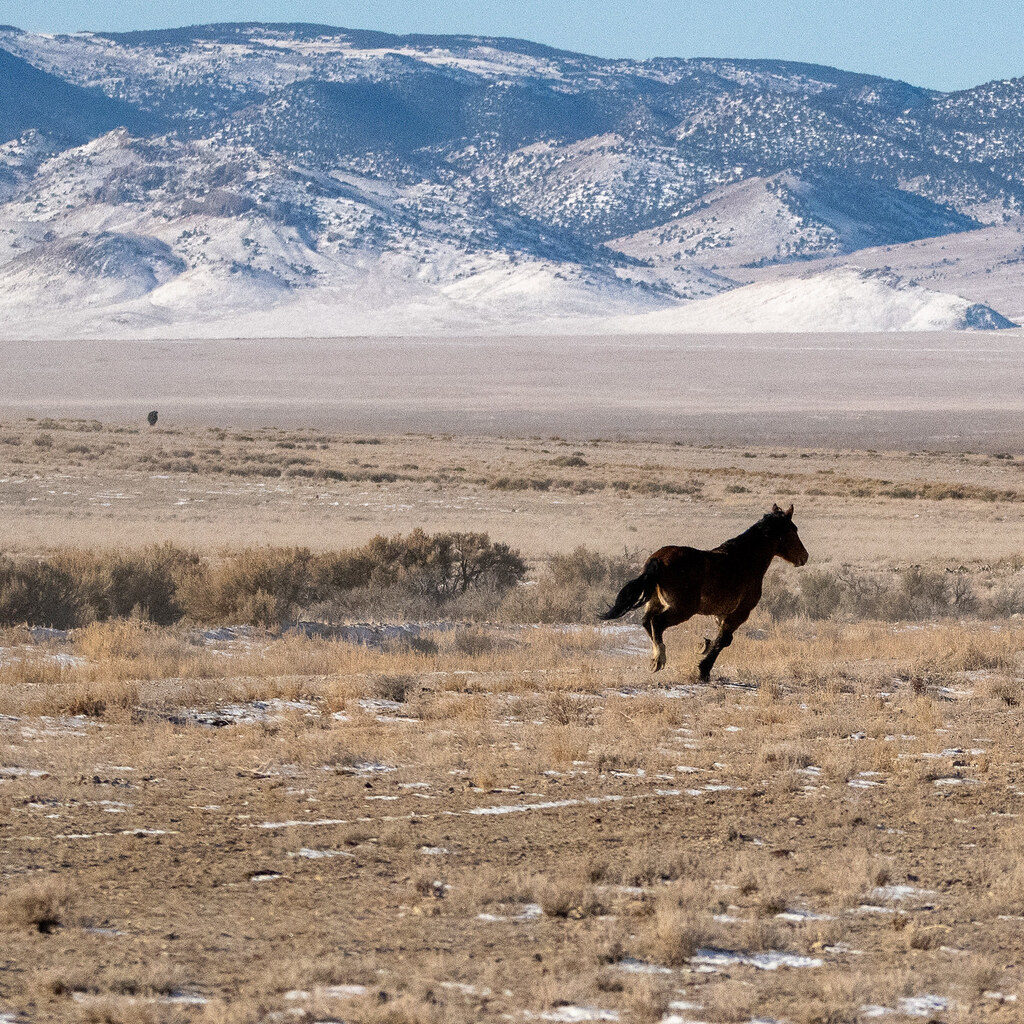
Something is wild if people haven't changed it to suit their own needs. Wild animals and plants live or grow anywhere they are able, and don't rely on people to feed them and look after them. The opposite of wild is domesticated. Wild versions of household flowers, fruits and vegetables generally have much smaller fruits or flowers than their domestic varieties.
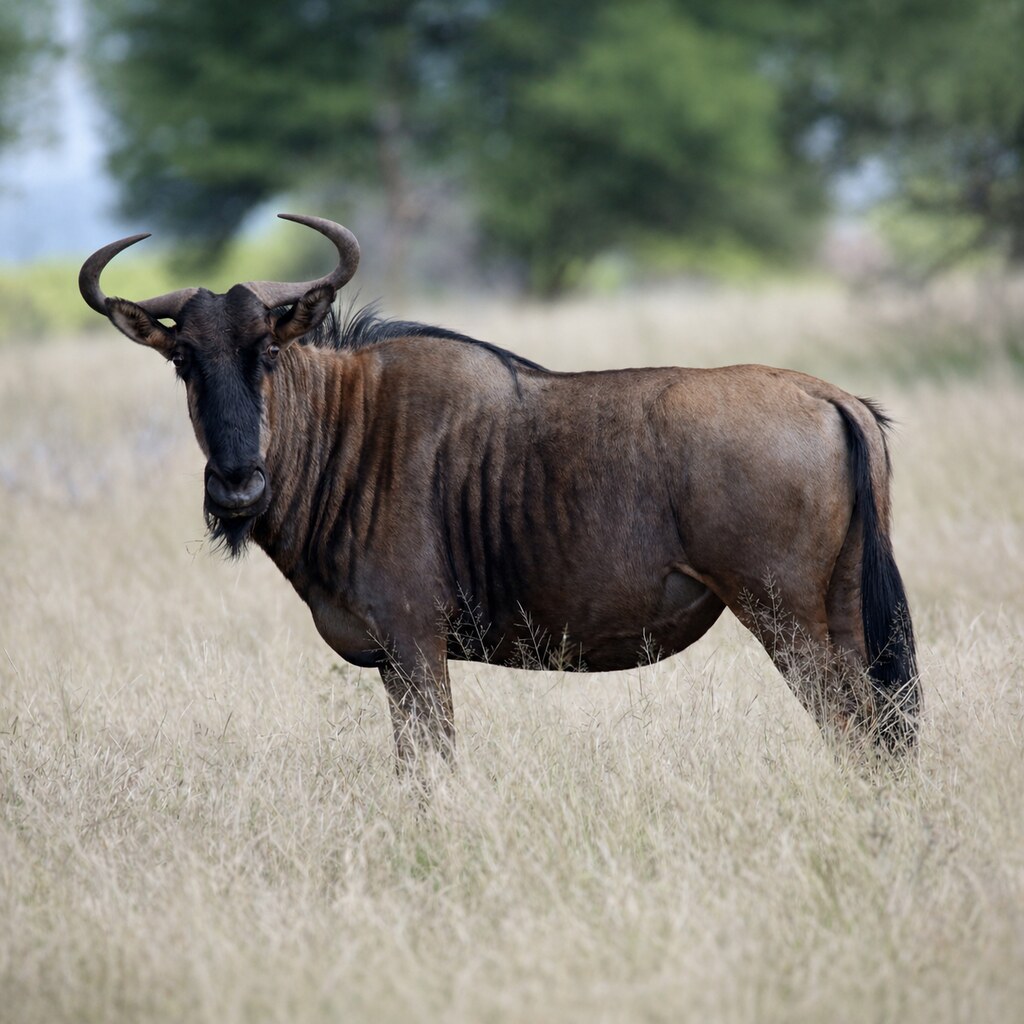
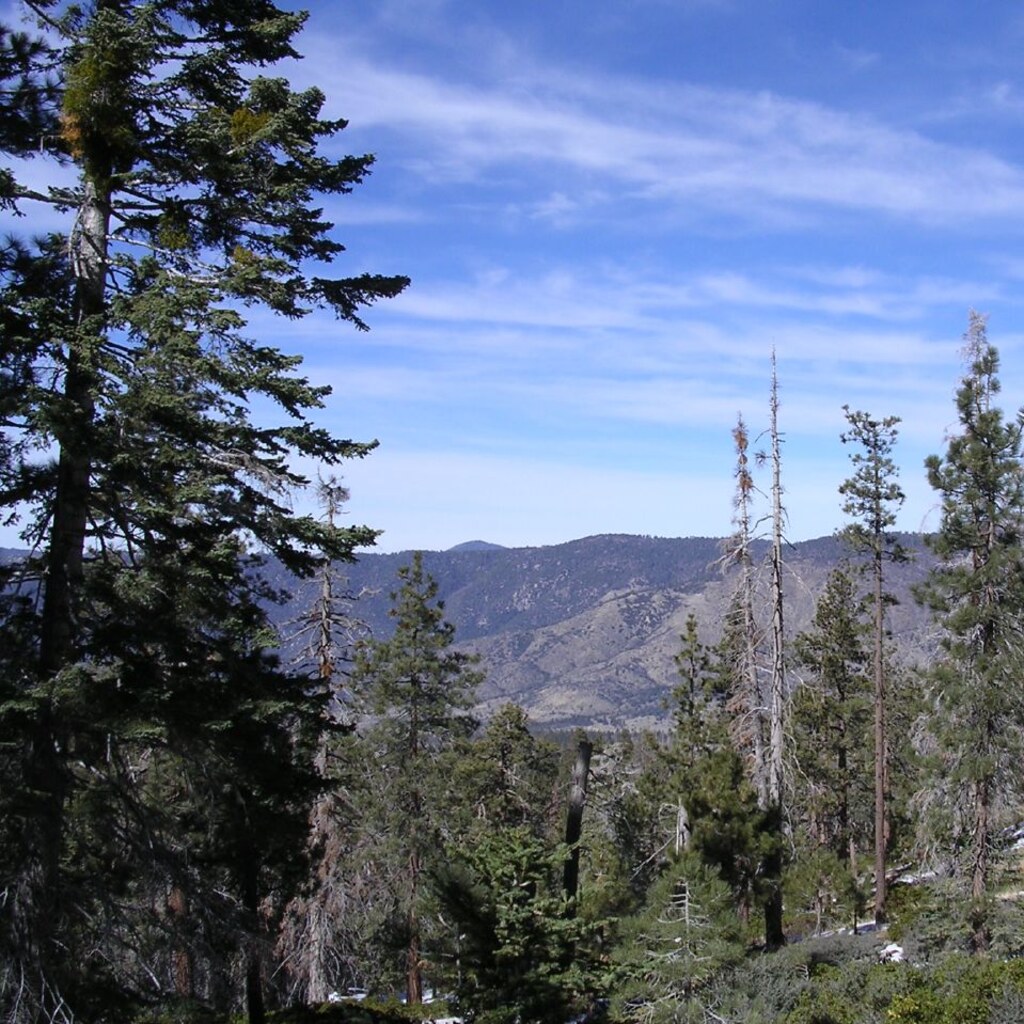
Wis forWilderness
Wis forWill (Verbs)
"You will clean your room"
"I will see you tomorrow"
"You will stop doing that"
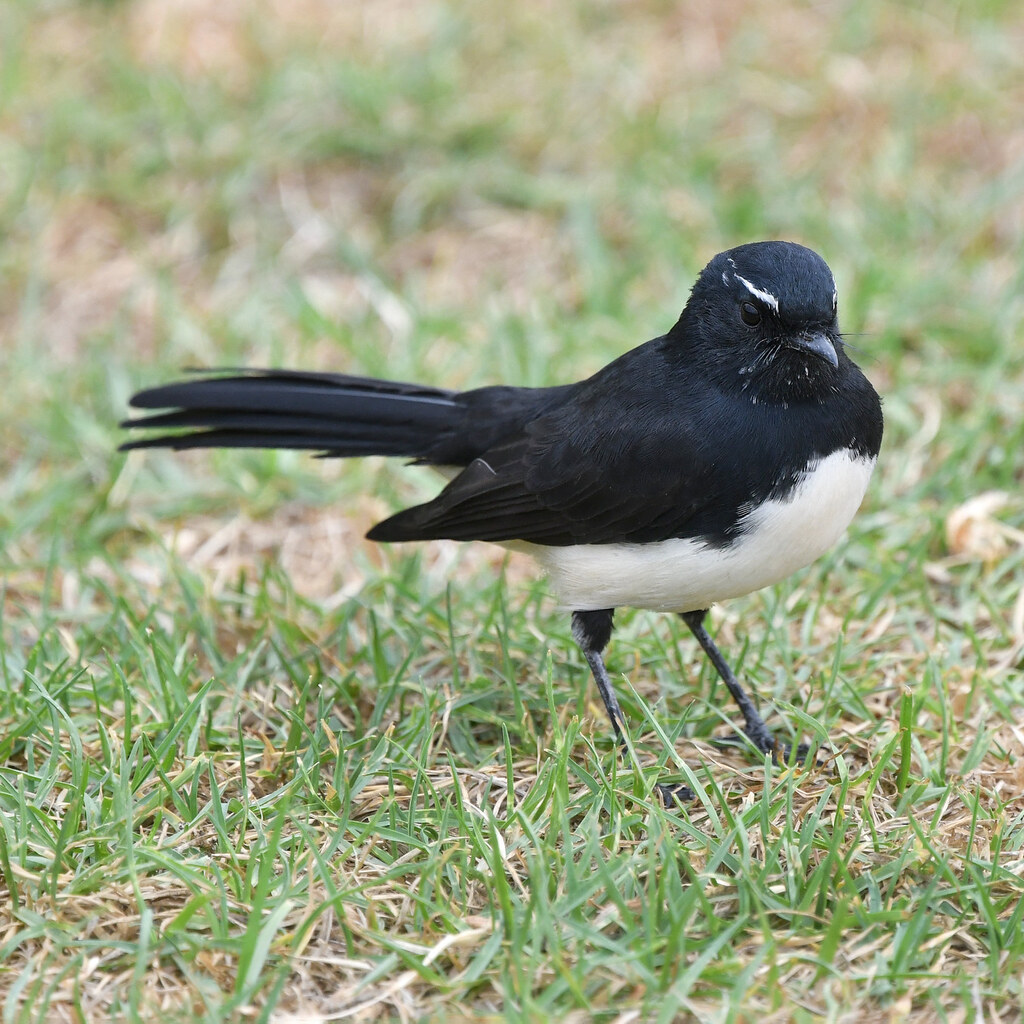
Wis forWillie Wagtail

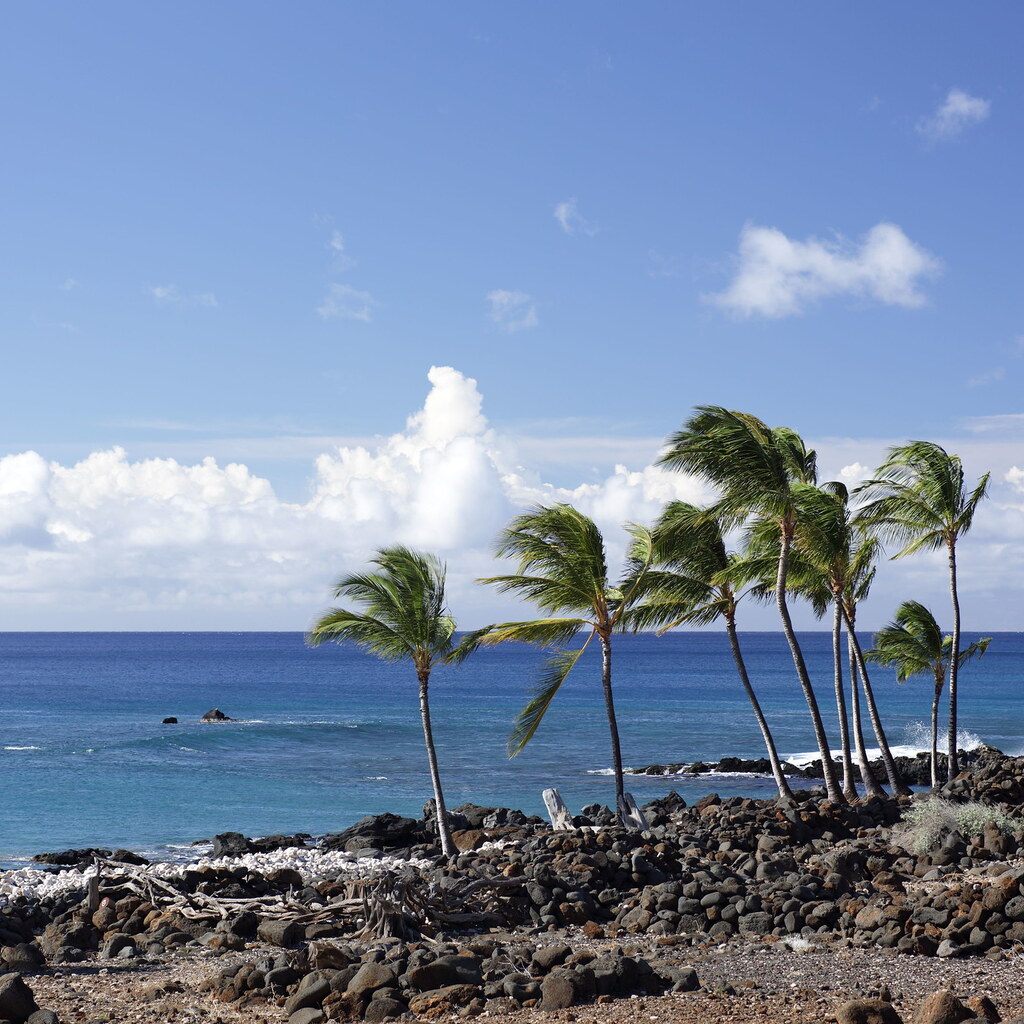
Wind is just the large scale movement of air. Wind happens because some parts of the world get heated up more than others by the sun, and it makes the air there get bigger, so the air has to try and move somewhere it has more room. Where it is cold, the air gets smaller, so wind is always moving between places that are different temperatures.
When it is very windy it is called a storm. Wind can be very dangerous, but it can also be turned into electricity using wind turbines or used for other purposes using windmills.
There are lots of words that mean different kinds of wind, like breeze for a gentle wind, gust for a sudden burst of wind, or gale for a very strong wind.
When it is very windy it is called a storm. Wind can be very dangerous, but it can also be turned into electricity using wind turbines or used for other purposes using windmills.
There are lots of words that mean different kinds of wind, like breeze for a gentle wind, gust for a sudden burst of wind, or gale for a very strong wind.
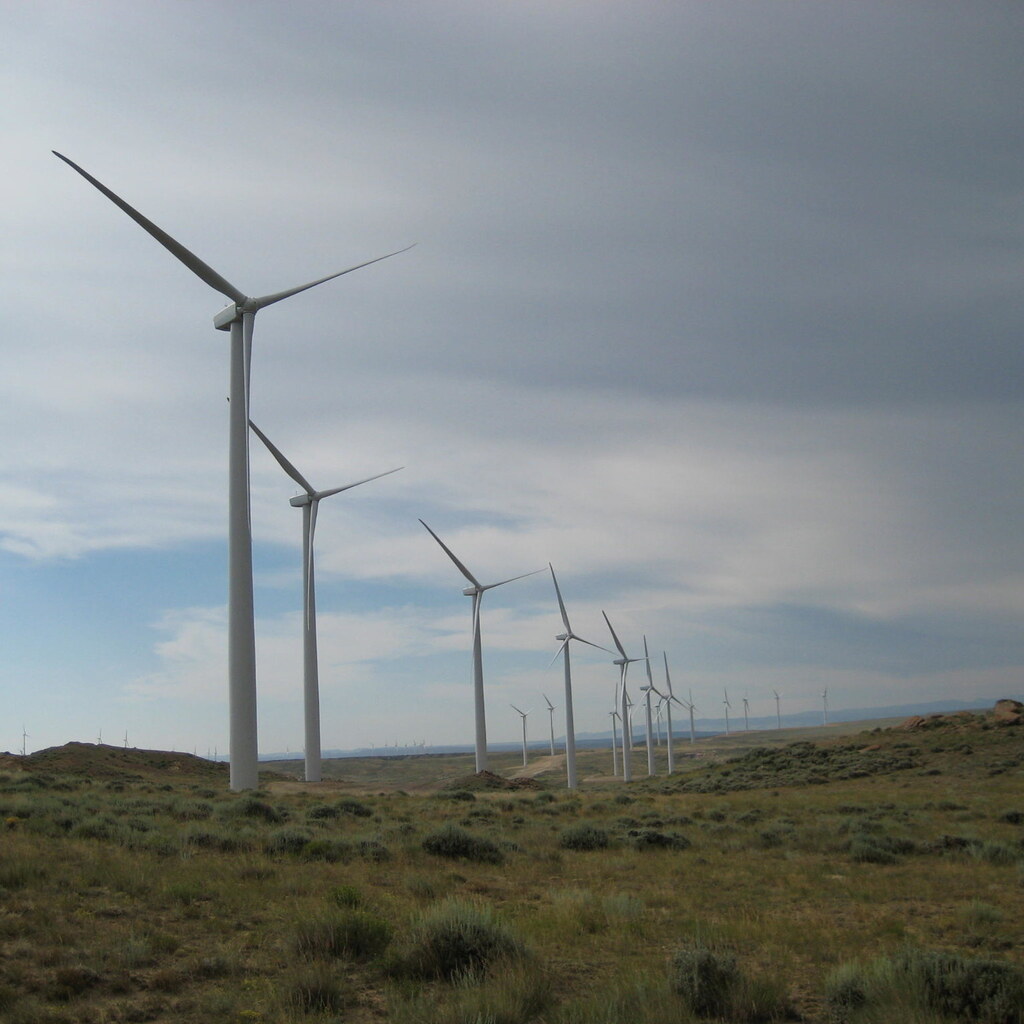
Wis forWind turbine
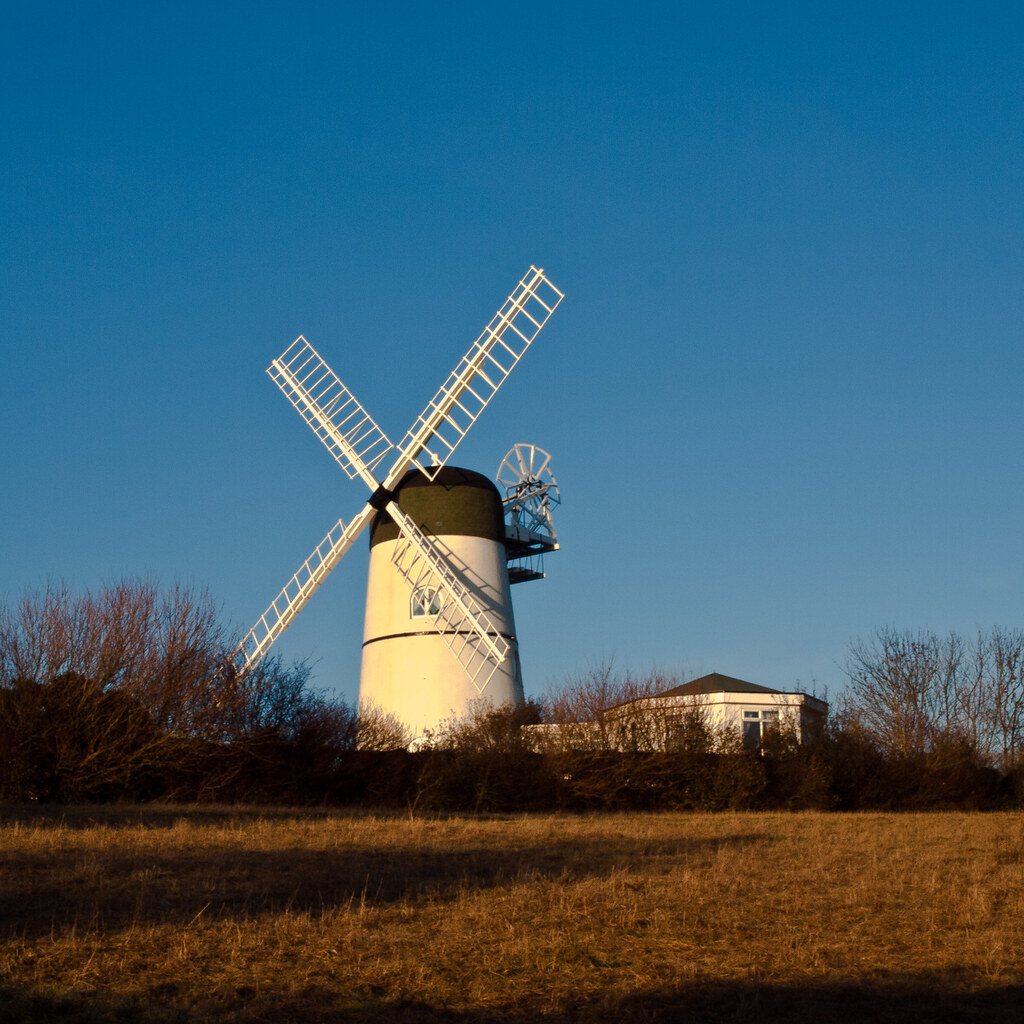
A windmill is a machine that is used to convert the energy from the wind blowing past into more useful energy. Windmills have several blades or sails that catch the wind as it goes past, and the sails turn around. Inside the windmill is other machinery that does useful work as the wind turns the sails outside.
Windmills were used to mill grain into flour, hence their name. Windmills can also be used to pump water out of wells.
More recently wind has been used to generate electricity. The version of the windmill that is used for this is called a wind turbine.
Windmills were used to mill grain into flour, hence their name. Windmills can also be used to pump water out of wells.
More recently wind has been used to generate electricity. The version of the windmill that is used for this is called a wind turbine.
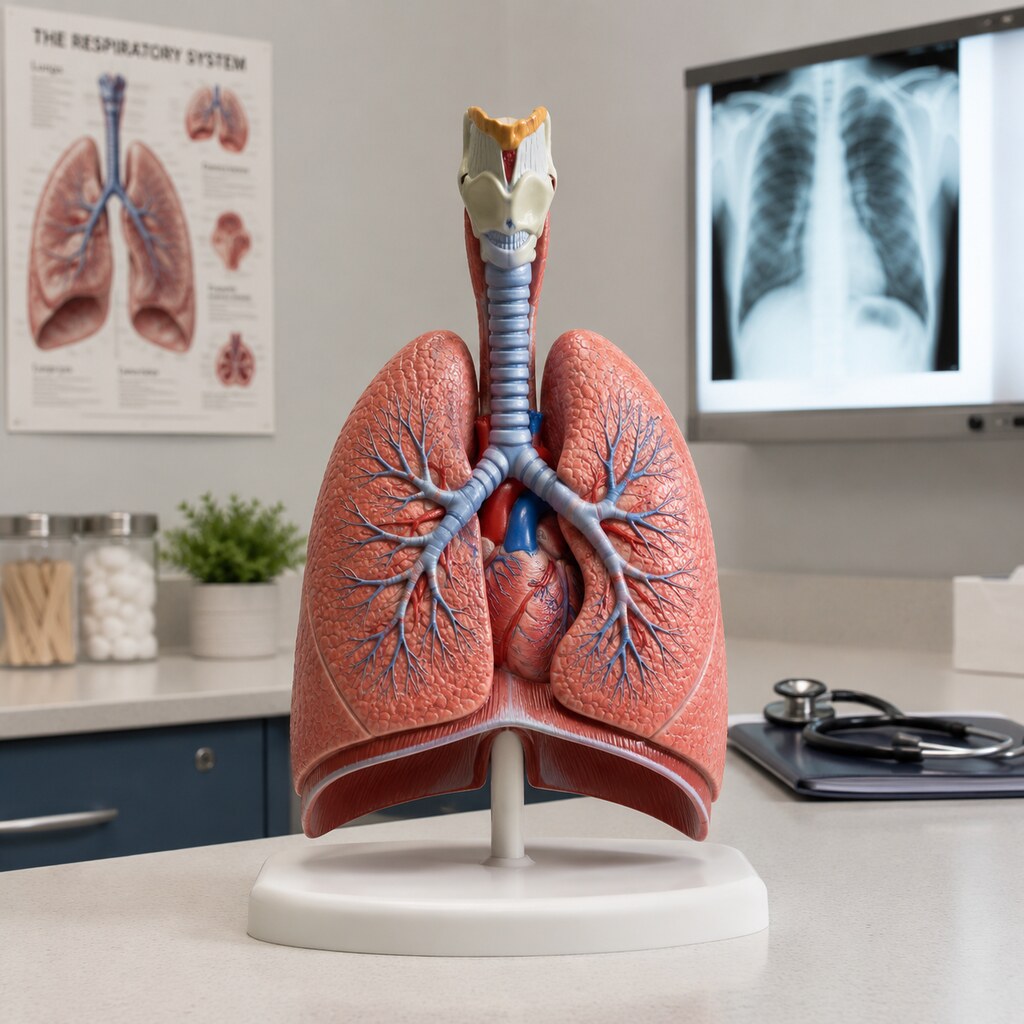
The windpipe is a tube inside your neck that helps air get to your lungs.
It is also called the trachea. When you breathe in, air moves through the windpipe. When you breathe out, air moves back out the same way. The windpipe is lined with tissue that helps catch dust and germs. It starts below your voice box and goes down to the chest, where it splits into two smaller airways.
It is also called the trachea. When you breathe in, air moves through the windpipe. When you breathe out, air moves back out the same way. The windpipe is lined with tissue that helps catch dust and germs. It starts below your voice box and goes down to the chest, where it splits into two smaller airways.

Wine is made by fermenting the juice of grapes. Fermentation makes a drink alcoholic. Alcohol is a substance that can make you feel very good and happy if you drink a little bit of it, but you get drunk if you drink too much. Wine is a drink that is only for adults.