Showing 61-80 of 155

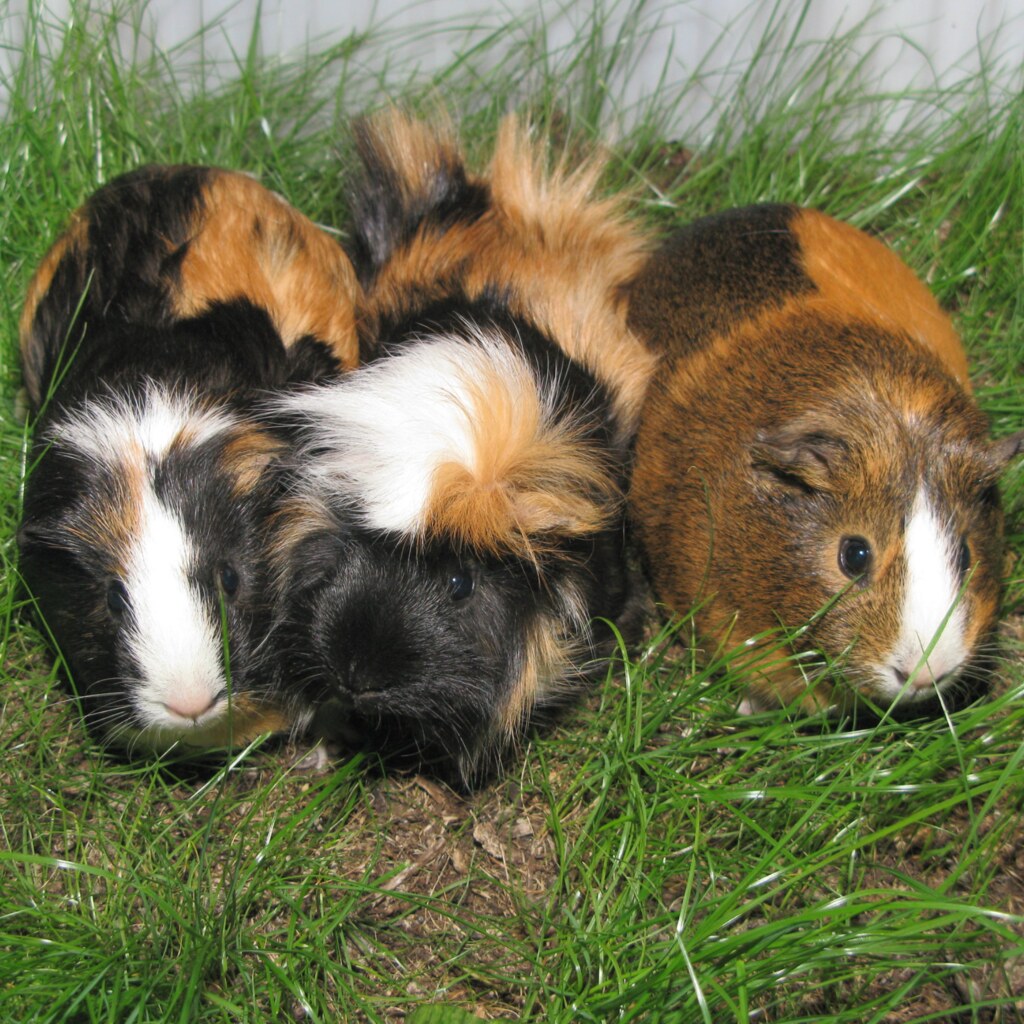
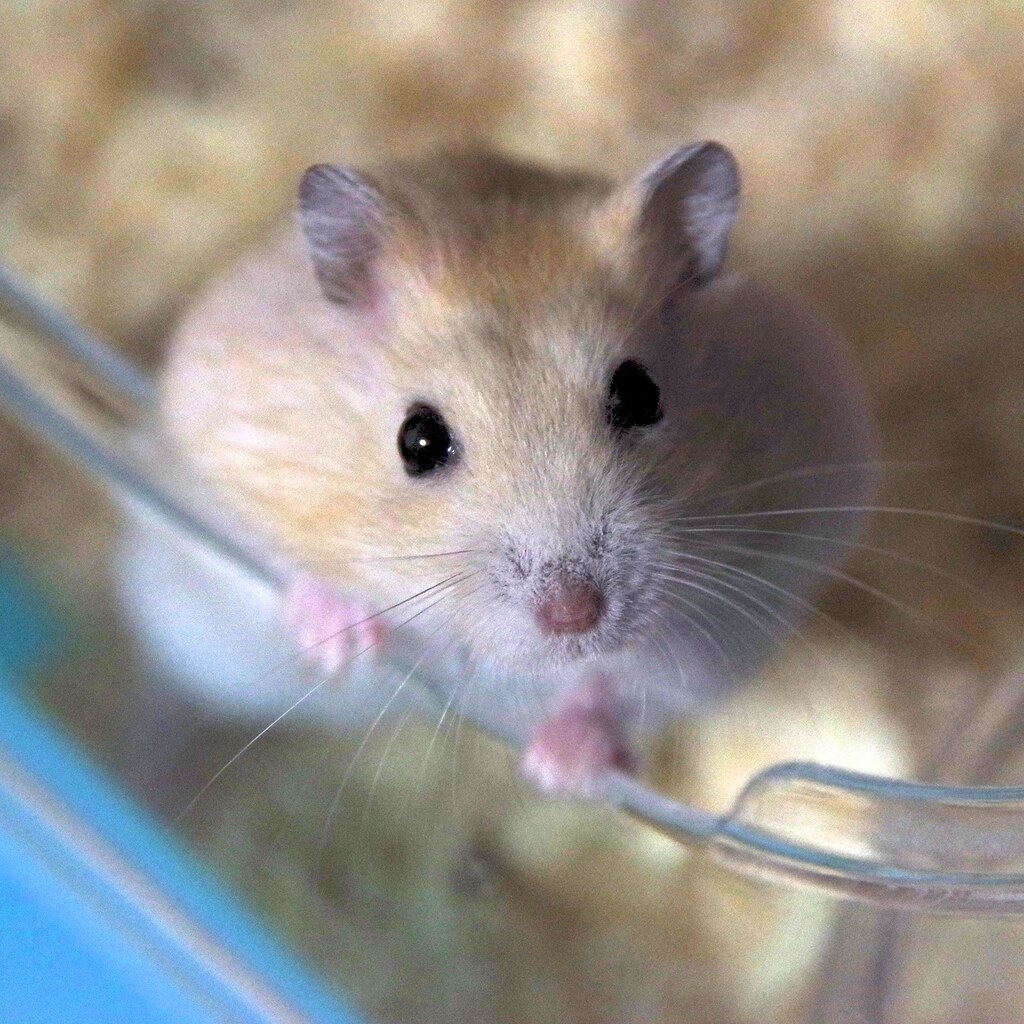
Hamsters are a small rodent that is often kept as a pet. Hamsters are originally from Syria. They have a large fur-lined pouch on either side of their face that goes all the way to their shoulders that they can fill with food. In the wild, they usually eat seeds and nuts.
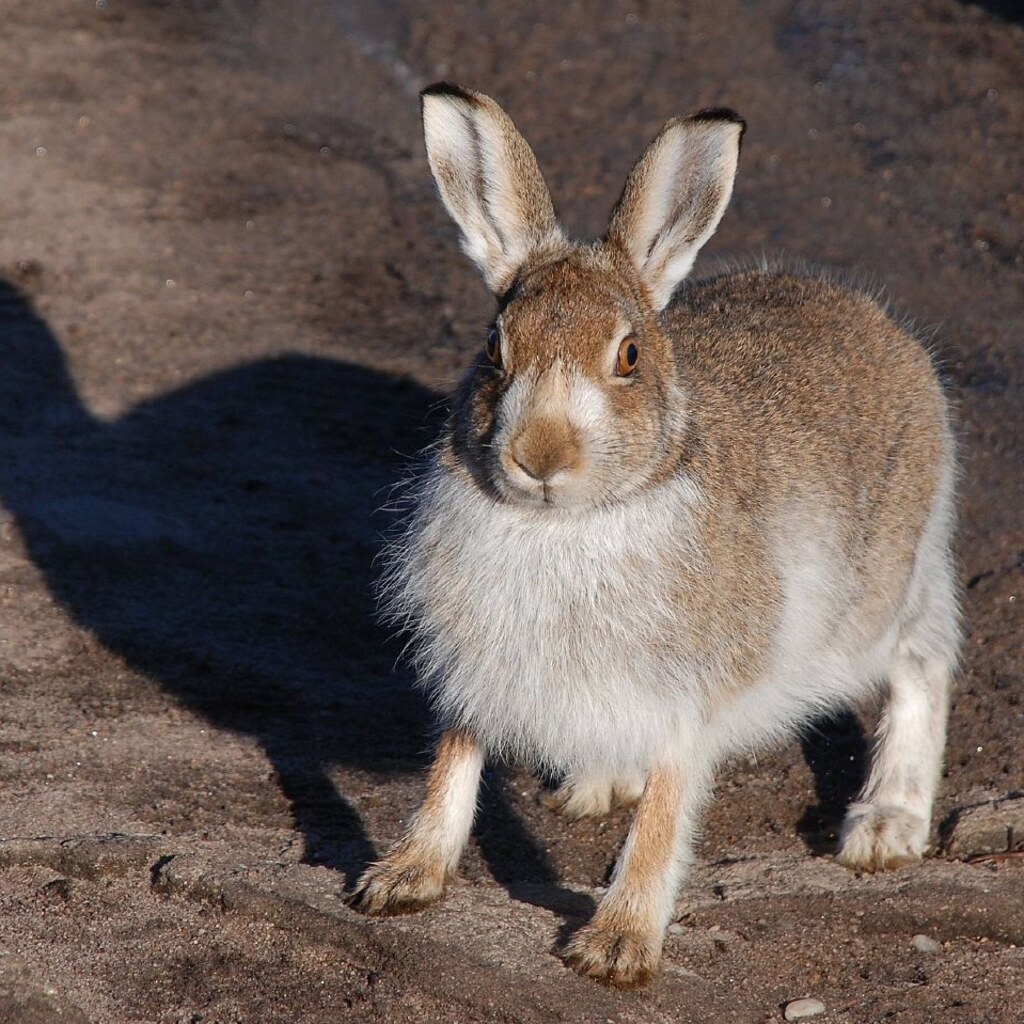
A hare, or Jackrabbit, is a small animal that is related to the rabbit. Hares are different from rabbits in several ways. Rabbits live in burrows underground, and hares do not. Rabbits live in groups, and hares do not. Hares are generally larger than rabbits.
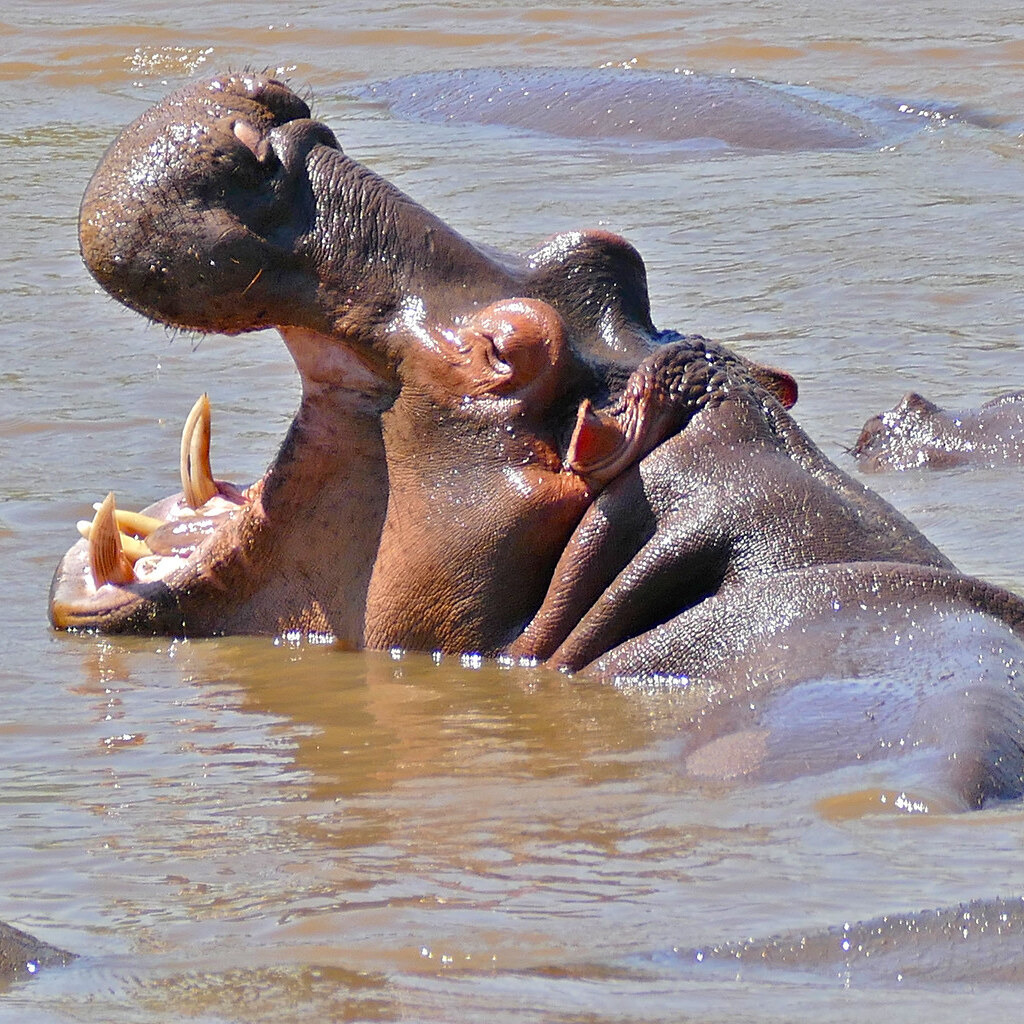
H is for Hippopotamus
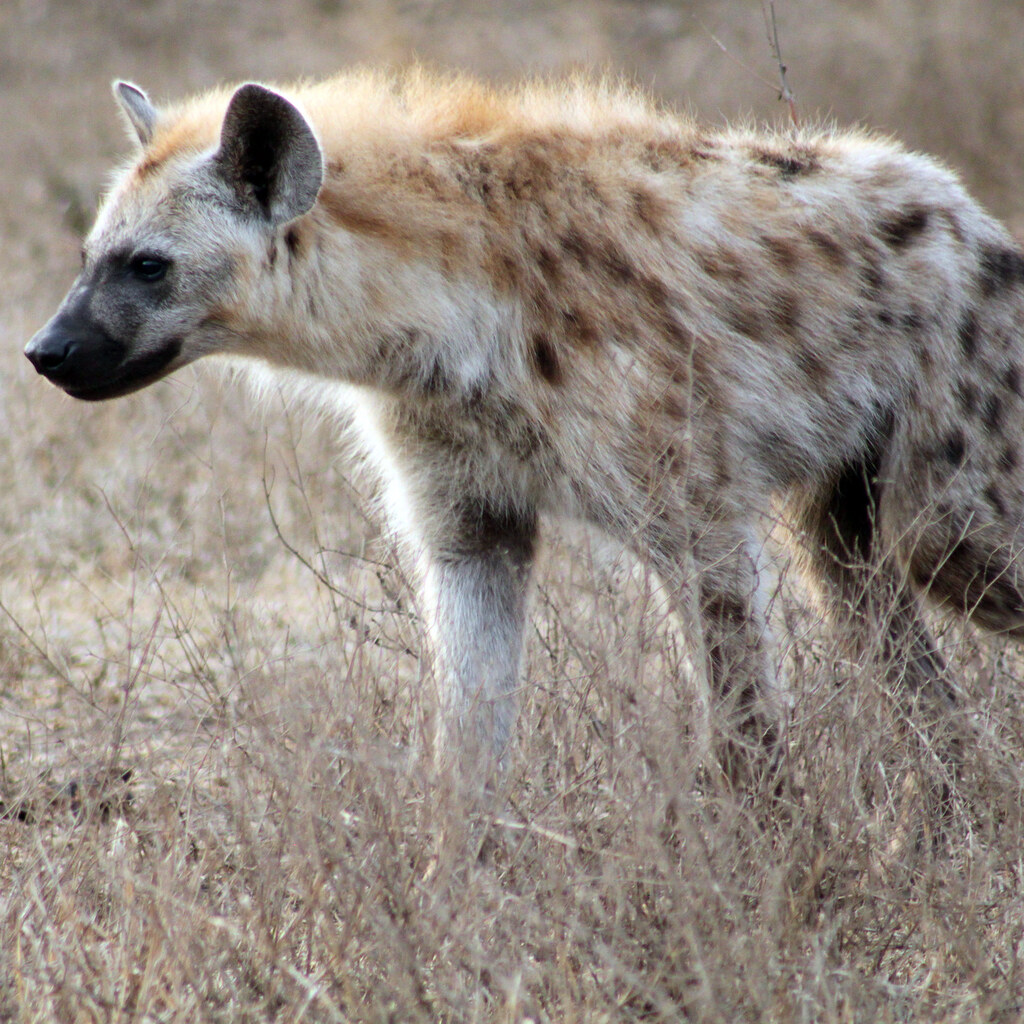
Hyenas look a little like dogs but are not related - they are actually very very distantly related to mongooses. Hyenas have very strong teeth and jaws and can crush bones. Their back legs are shorter than their front legs, so they walk a little like a bear does.
Hyenas live in arid regions in Africa. They hunt larger animals for food, but will also eat dead animals that they find. Hyenas hunt in groups.
Hyenas live in arid regions in Africa. They hunt larger animals for food, but will also eat dead animals that they find. Hyenas hunt in groups.
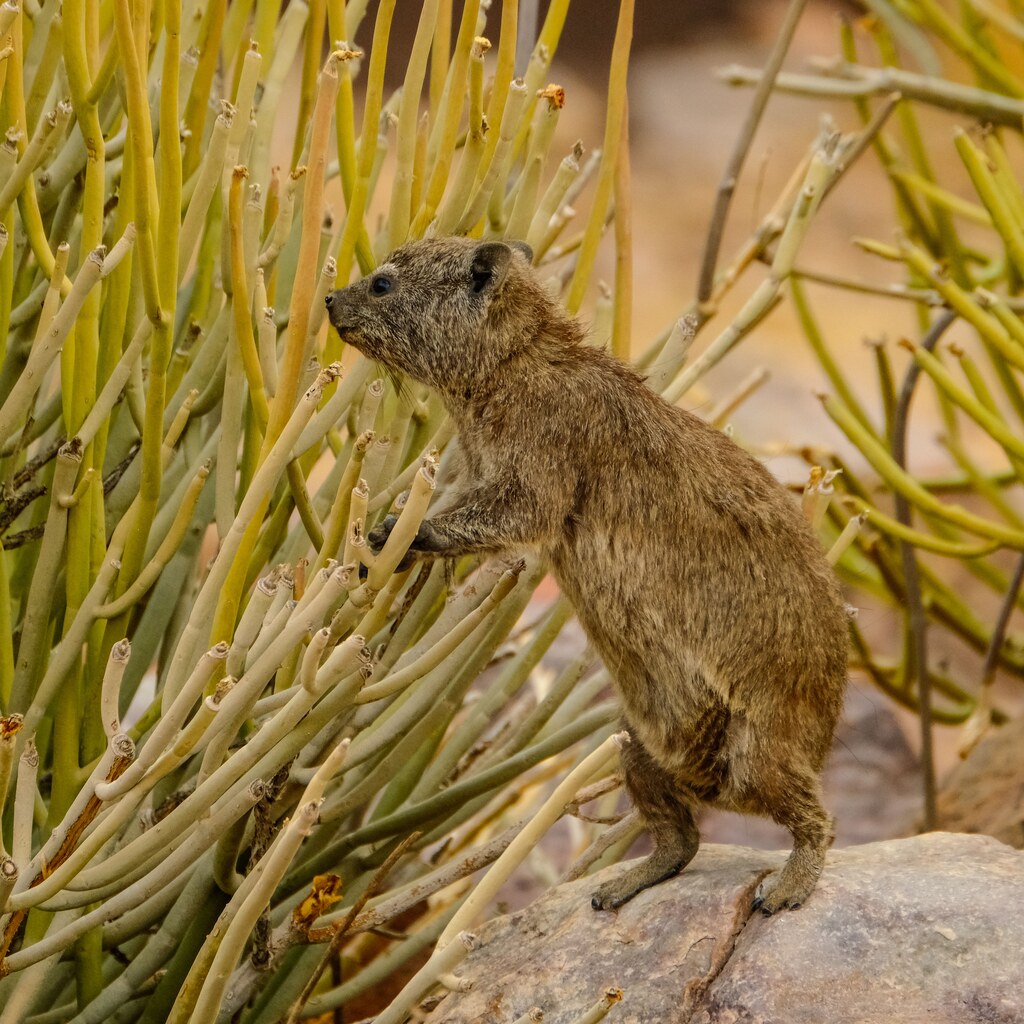
A hyrax is a small mammal with thick fur, short legs, rounded ears, and almost no visible tail. It lives among rocks in Africa and parts of the Middle East. Hyraxes often live in groups and feed mainly on grasses, leaves, and other plants.
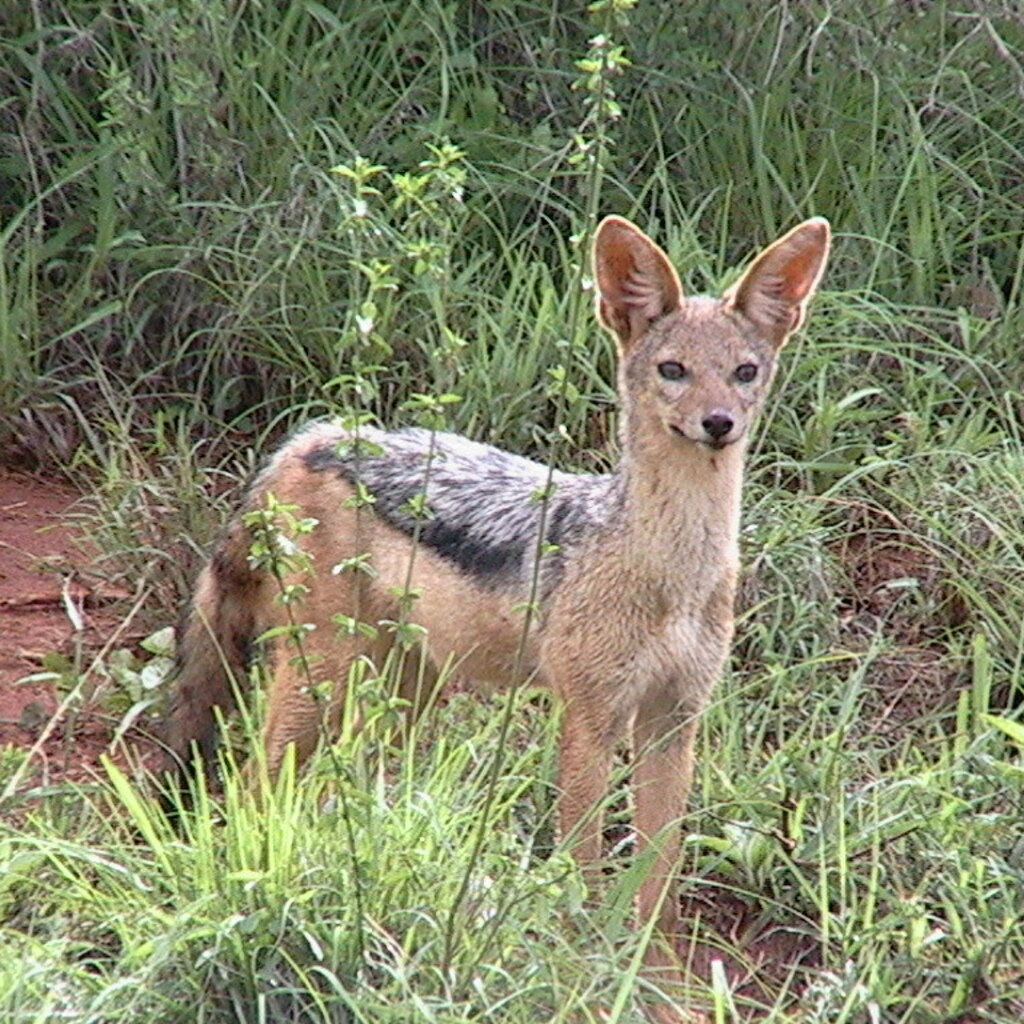
A jackal is a small to medium sized close relative of the dog. They are found in Africa, Asia and some parts of Europe. Jackals normally live together in pairs, although they will sometimes form small packs to hunt. They hunt small to medium animals, and will eat dead animals they find. Like household dogs they will also eat fruit and other plants as well as meat.
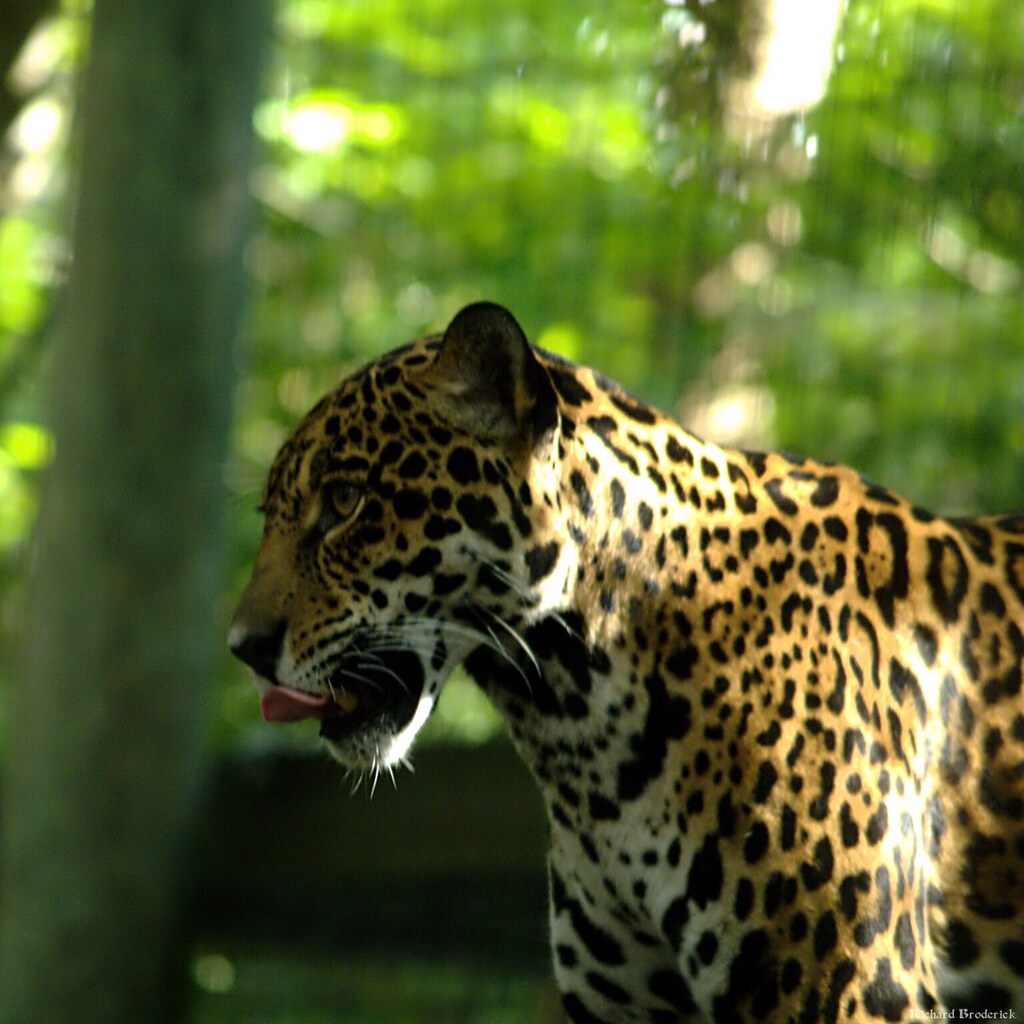
J is for Jaguar (Cat)
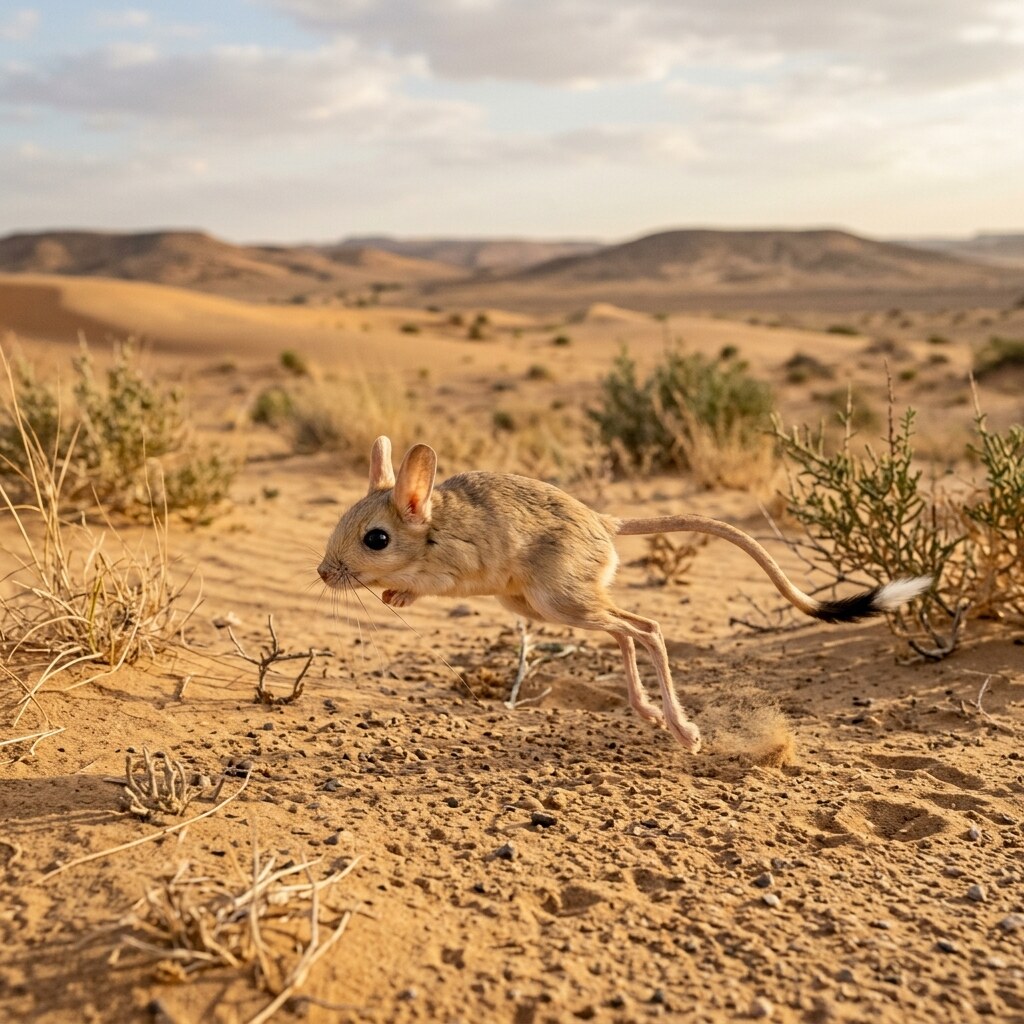
Jerboas are small desert rodents with long back legs, big ears, and a tail that helps them balance. They live in dry areas across parts of North Africa and Asia. They come out at night to find seeds and insects and hide underground during the day.
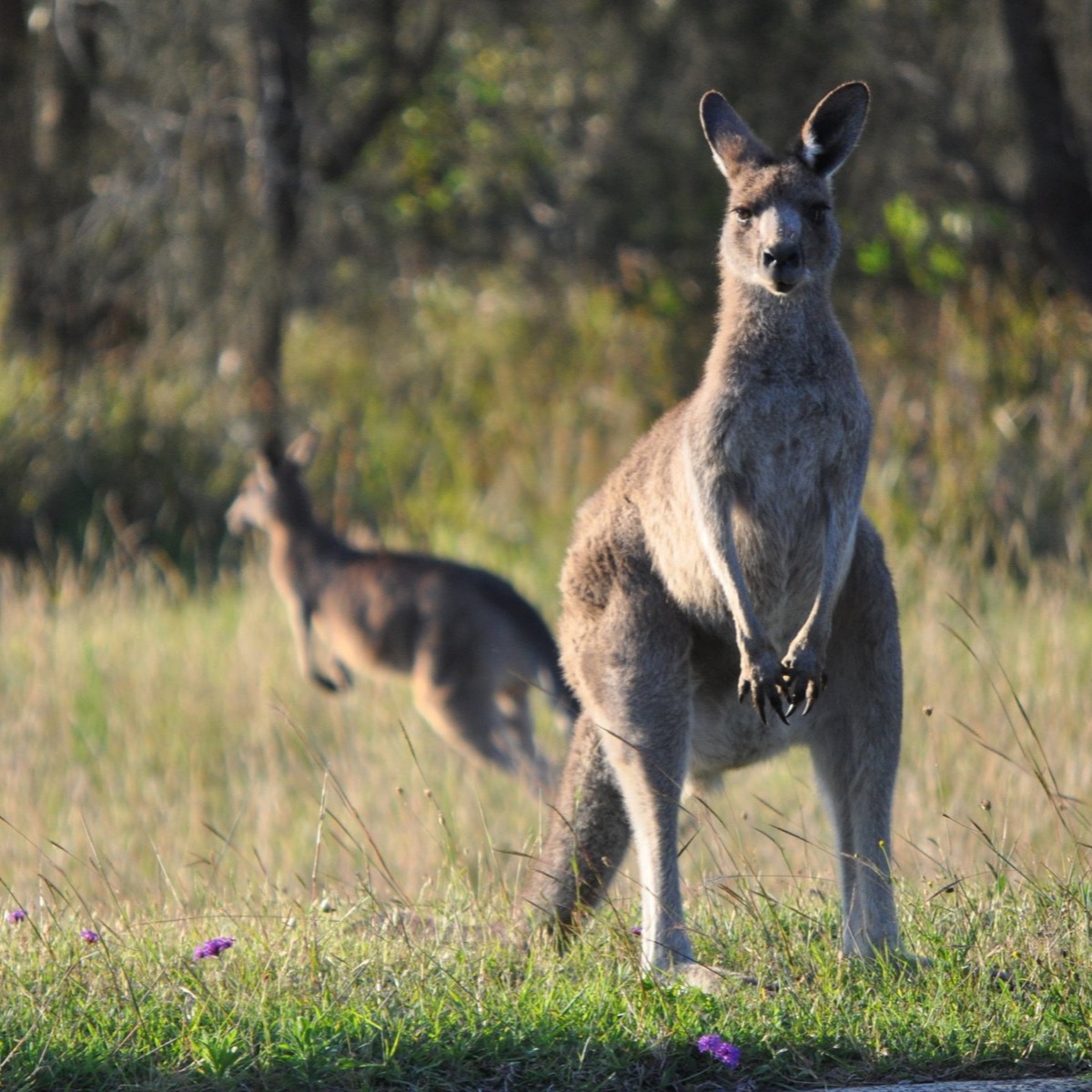
Kangaroos (Macropus rufus) are a marsupial that lives in Australia. Marsupials are animals that keep their babies their pouches. Kangaroos eat mostly grasses and small shrubs.
Kangaroos travel by hopping along on their hind legs, using their tail to balance themselves. They can travel very fast, and can grow to be taller and heavier than an adult man. A baby kangaroo is called a joey.
Kangaroos travel by hopping along on their hind legs, using their tail to balance themselves. They can travel very fast, and can grow to be taller and heavier than an adult man. A baby kangaroo is called a joey.
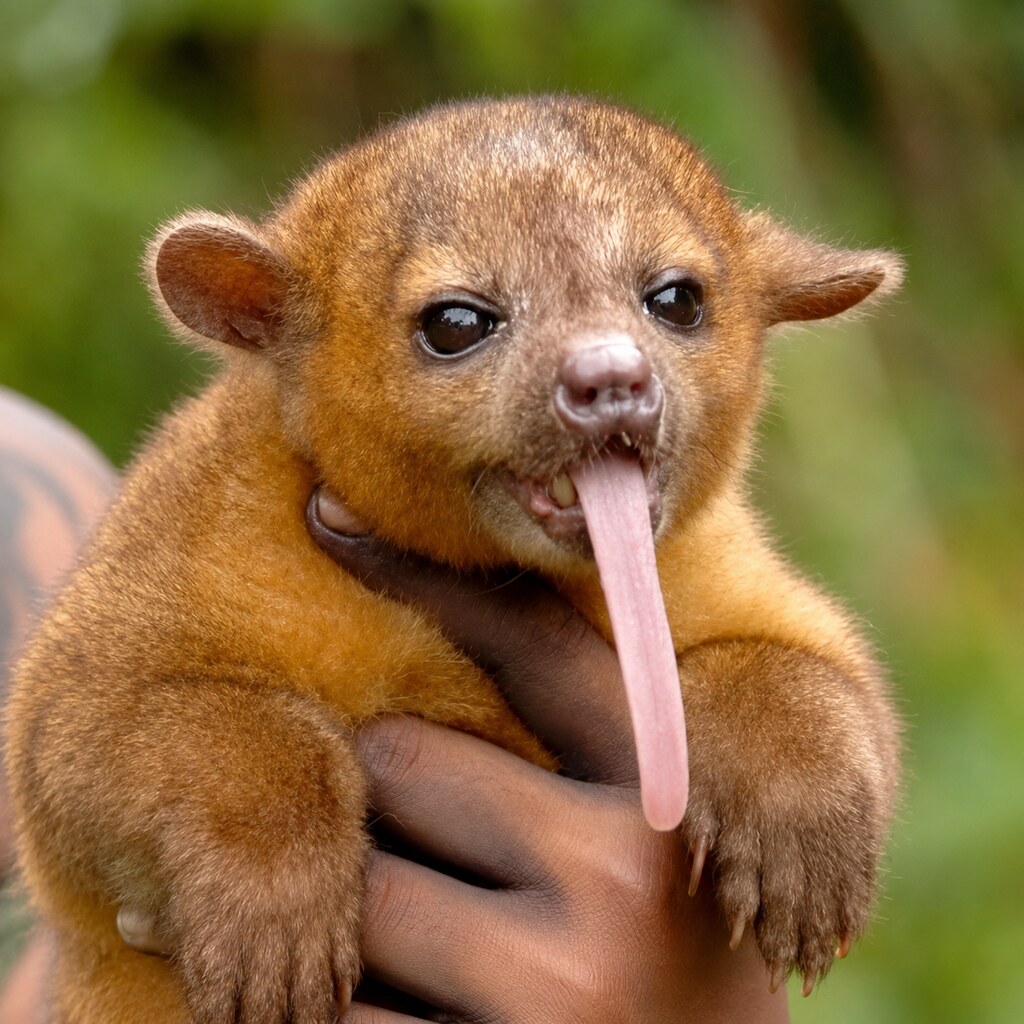
A kinkajou is a small, cat-like mammal with thick fur, a long tail, and big, dark eyes. It lives in trees in tropical forests in Central and South America. Kinkajous use their long, flexible tongues to lick fruit, flowers, and honey. They also eat insects.
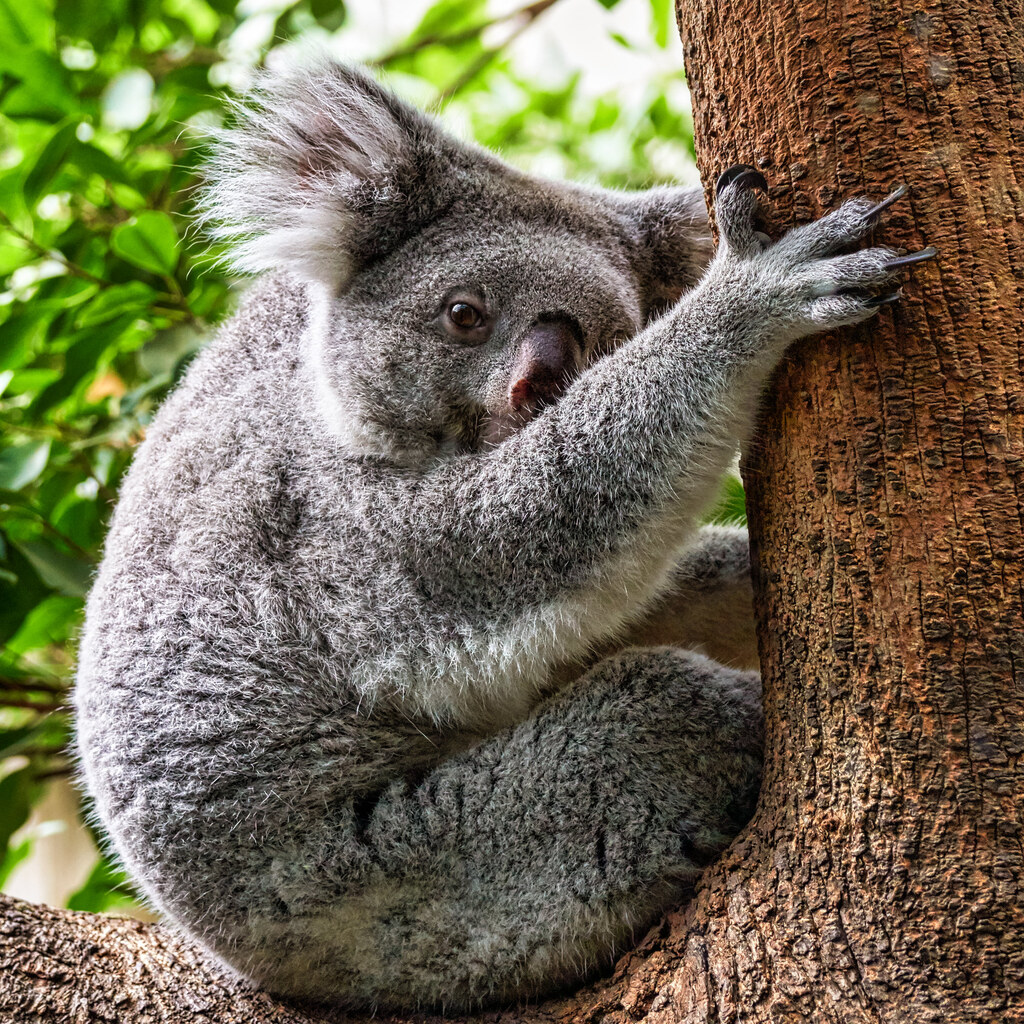
Koalas are a marsupial that lives in Australia. Marsupials are animals that keep their babies in pouches. Koalas live in eucalypt trees, and eat only eucalypt leaves. Koalas move very slowly and spend most of their time asleep. Koalas have two thumbs on each hand and foot. A baby koala is called a joey, the same as a baby kangaroo. When the joey has left its mother's pouch, it will ride on her back for another six months. The closest relative of the koala is the wombat.