
Showing 81-100 of 155
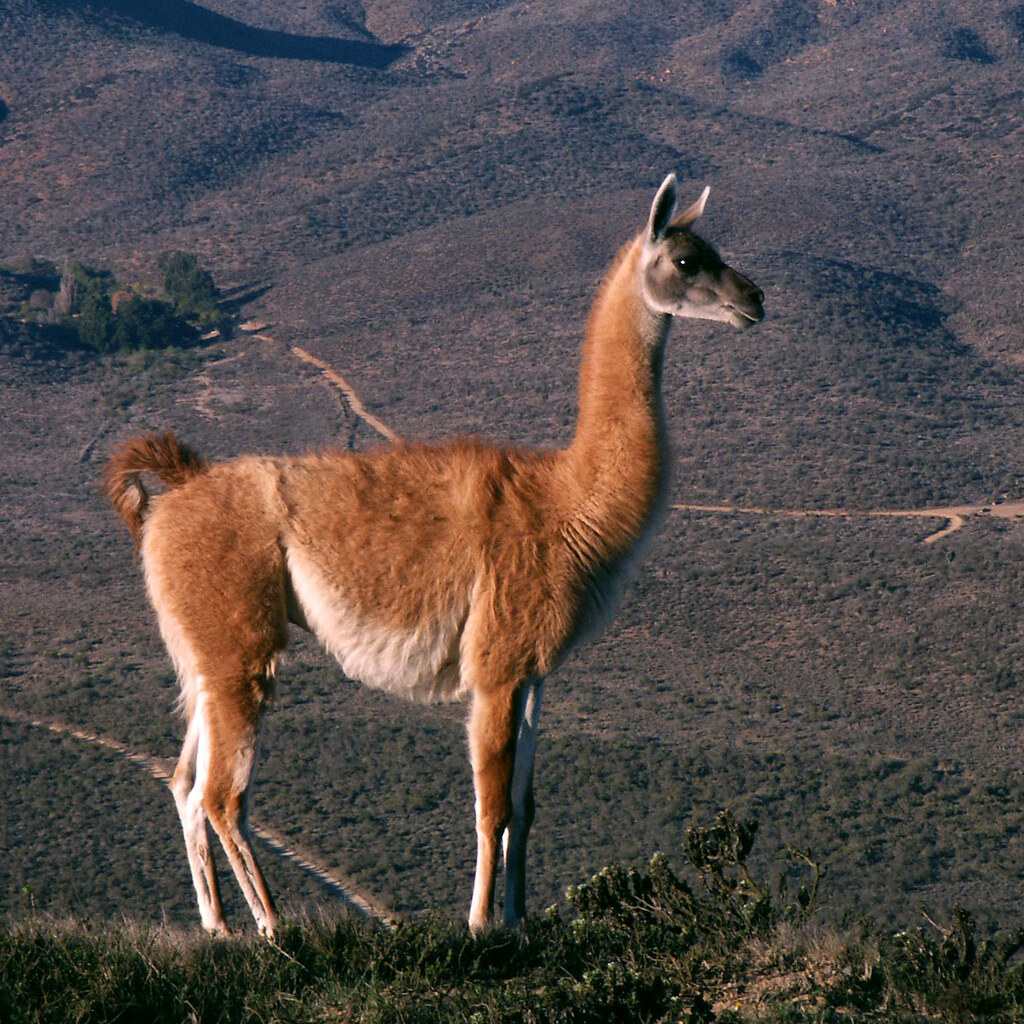
The llama is from South America. It is related to the camel. It is used as a pack animal by people who live in the mountains of South America. Llamas are social and like to live in groups, or herds.
Llamas can grow to between 5.5 ft (1.7 m) to 6 ft (1.8 m) tall at the top of the head. They can weigh between approximately 280 lb (130 kg) and 450 lb (200 kg). A a baby llama is called a cria.
Llamas can grow to between 5.5 ft (1.7 m) to 6 ft (1.8 m) tall at the top of the head. They can weigh between approximately 280 lb (130 kg) and 450 lb (200 kg). A a baby llama is called a cria.
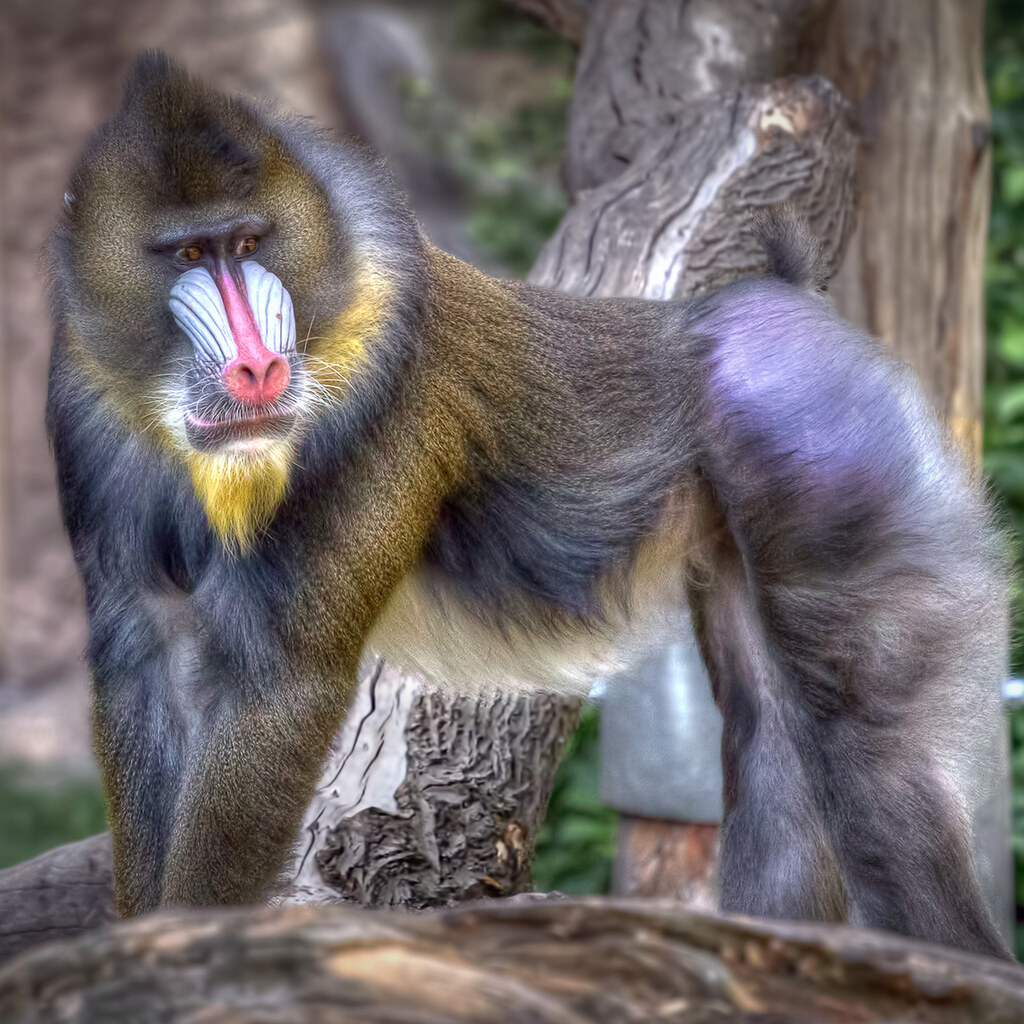
A mandrill is a large African monkey with bright, colorful skin on its face and a long snout. Males especially can have blue and red markings, plus a pale beard and strong-looking cheek features. Mandrills live in forests in central and western Africa, where they move around on the ground and in trees to find food. They eat fruit, seeds, insects, and small animals, and they often travel in groups.
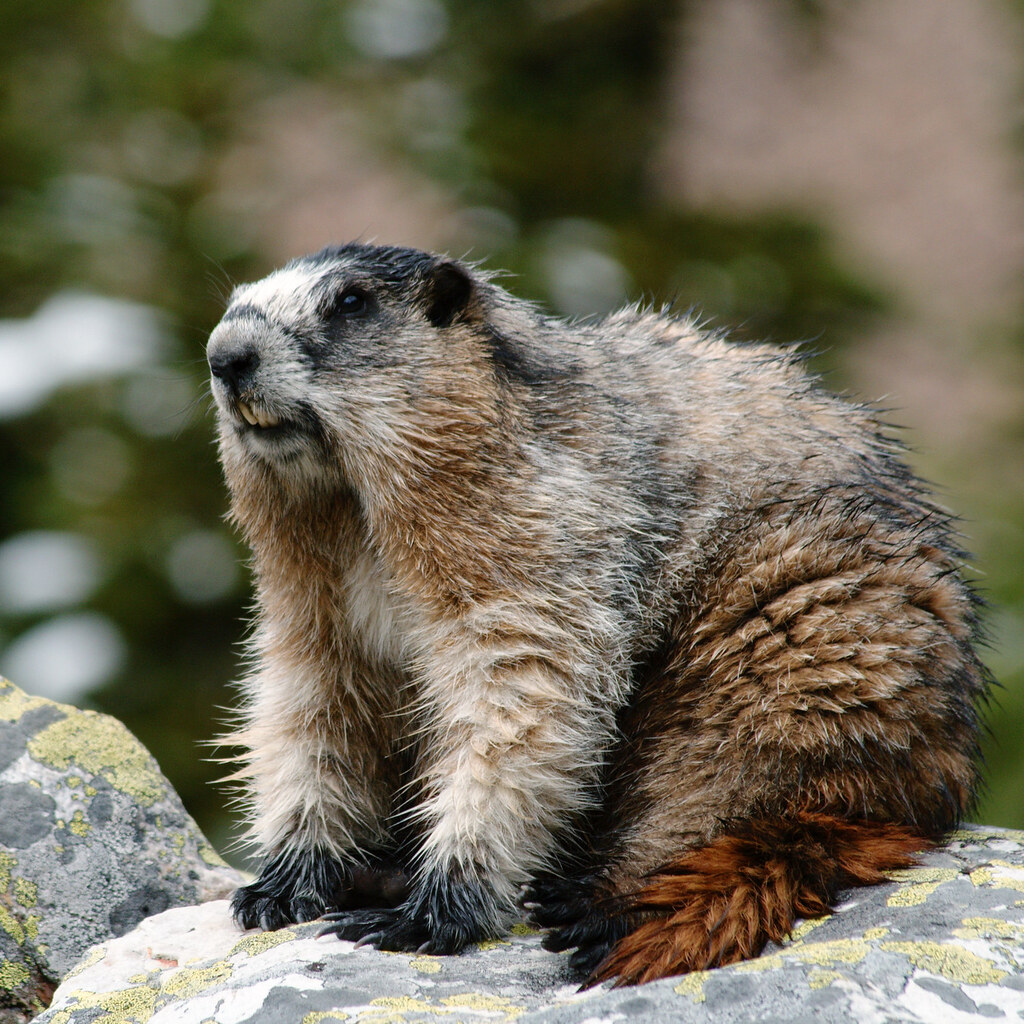
A marmot is a large rodent that lives in rocky mountain areas, alpine meadows, and open grasslands. Marmots will dig burrows into the ground. They spend their days foraging for grasses and other plants, and many hibernate for long stretches during cold winter months. They're known for sitting upright and watching for danger.
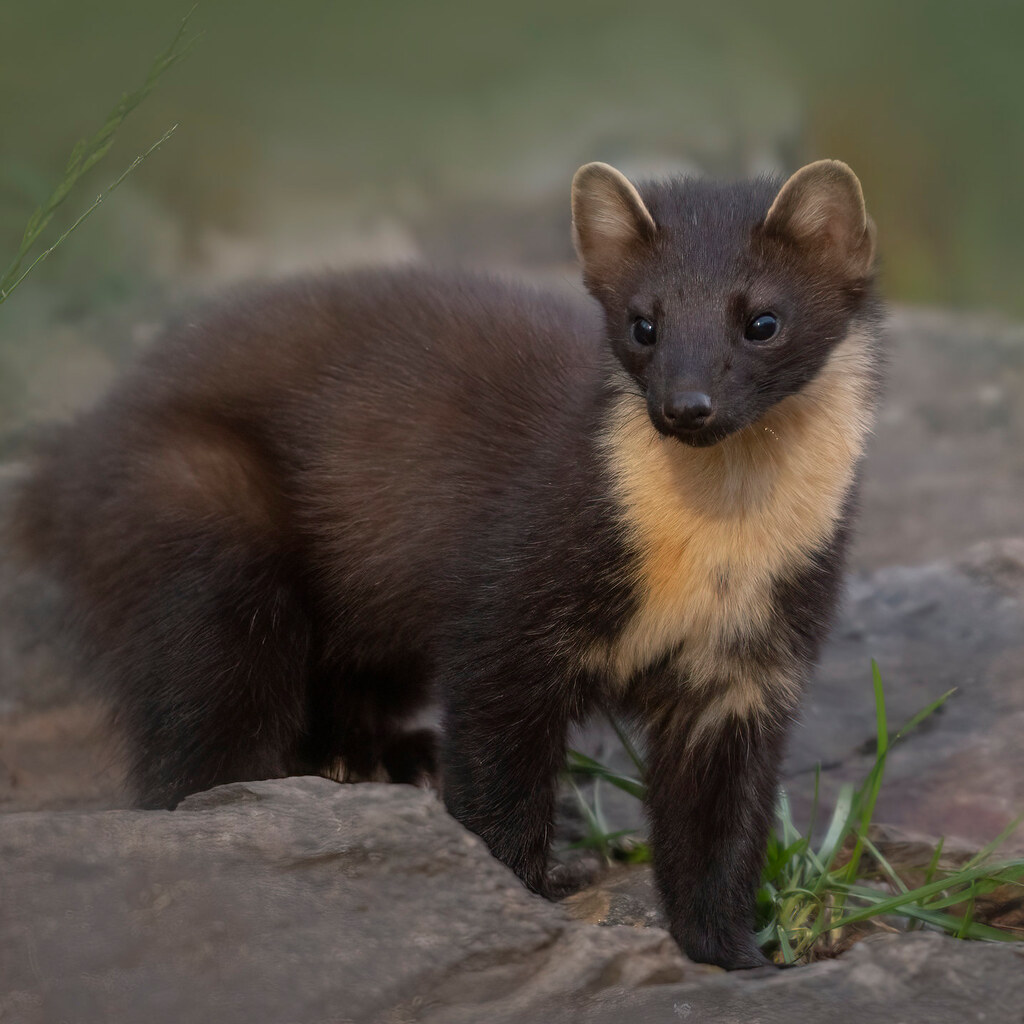
A marten is a small wild animal that lives in forests. It looks a bit like a weasel and has soft fur.
Martens hunt small animals and birds, and they also eat fruit and nuts. You can find them in many parts of Europe and Asia, and some live in North America. They often make homes in trees or hollow places.
Martens hunt small animals and birds, and they also eat fruit and nuts. You can find them in many parts of Europe and Asia, and some live in North America. They often make homes in trees or hollow places.
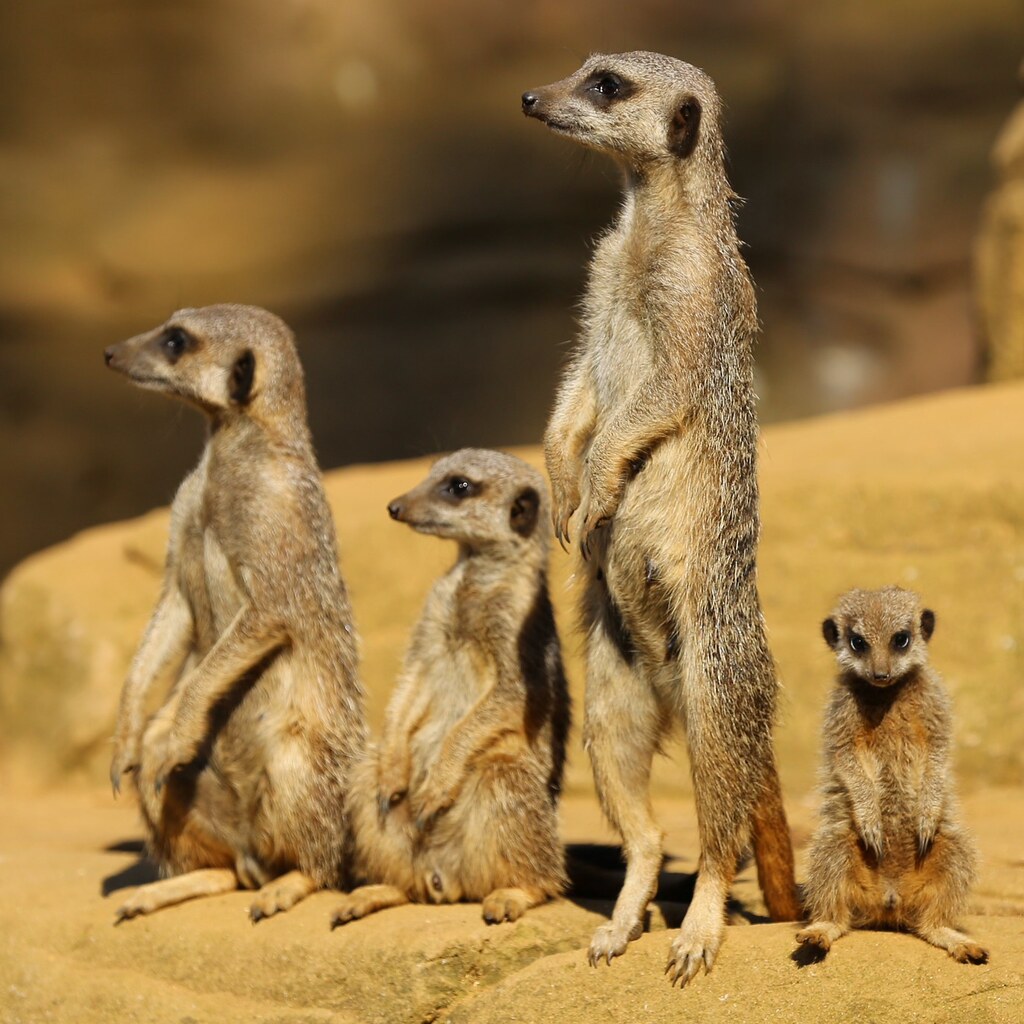
Meerkats are members of the mongoose family that is native to parts of Africa. They live in large groups, with 20 to 30 members in a group. They live in burrows underground. Meerkats eat mostly insects but will also eat anything else small they can catch. They are immune to scorpion venom.
When meerkats are out looking for food during the day, some members of their group will stand guard and tell the group of they see any predators coming.
When meerkats are out looking for food during the day, some members of their group will stand guard and tell the group of they see any predators coming.
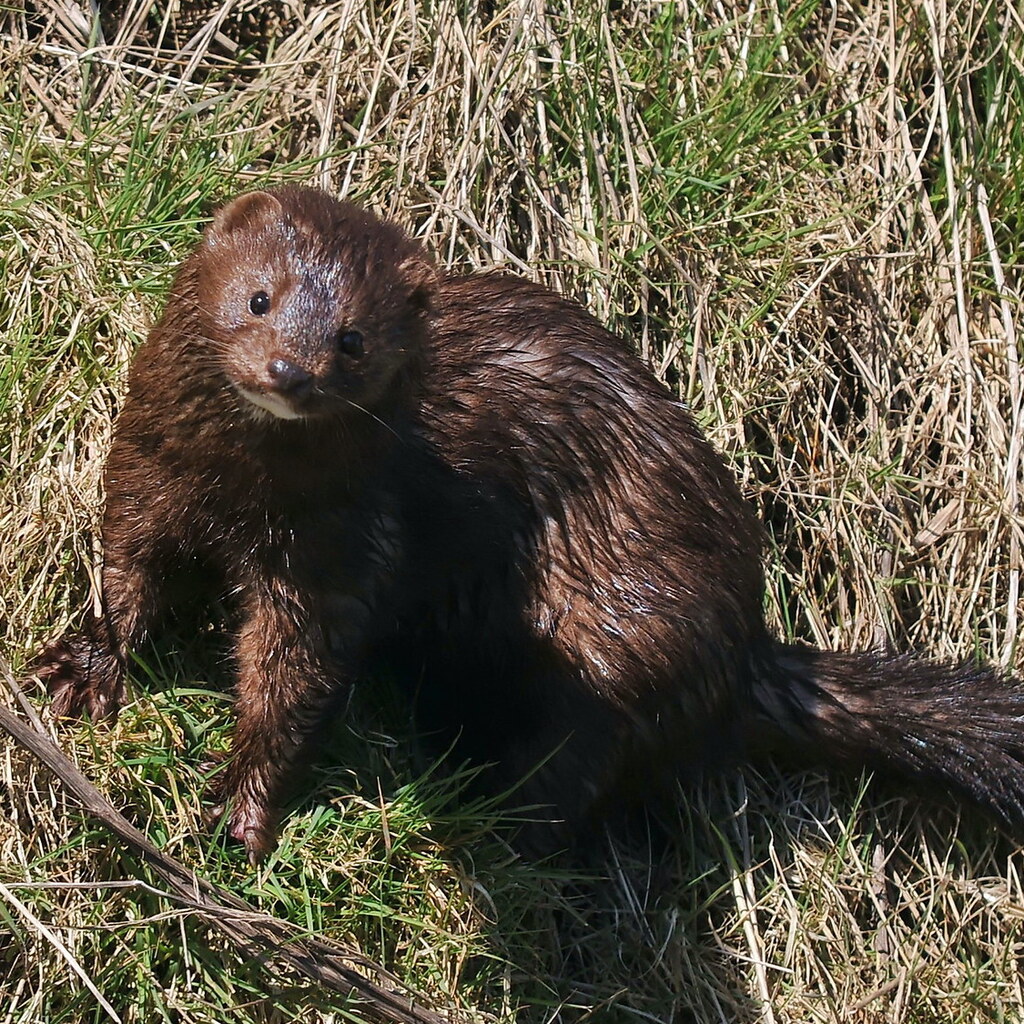
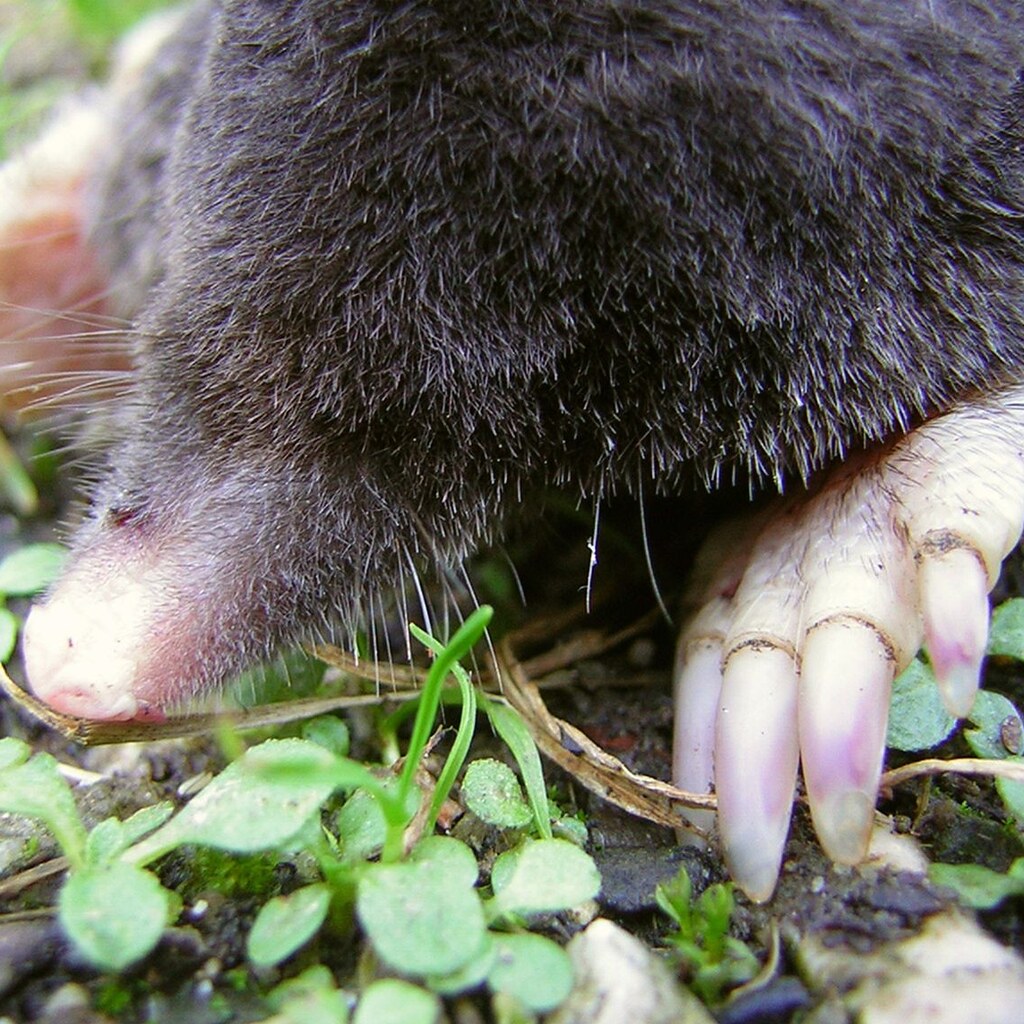
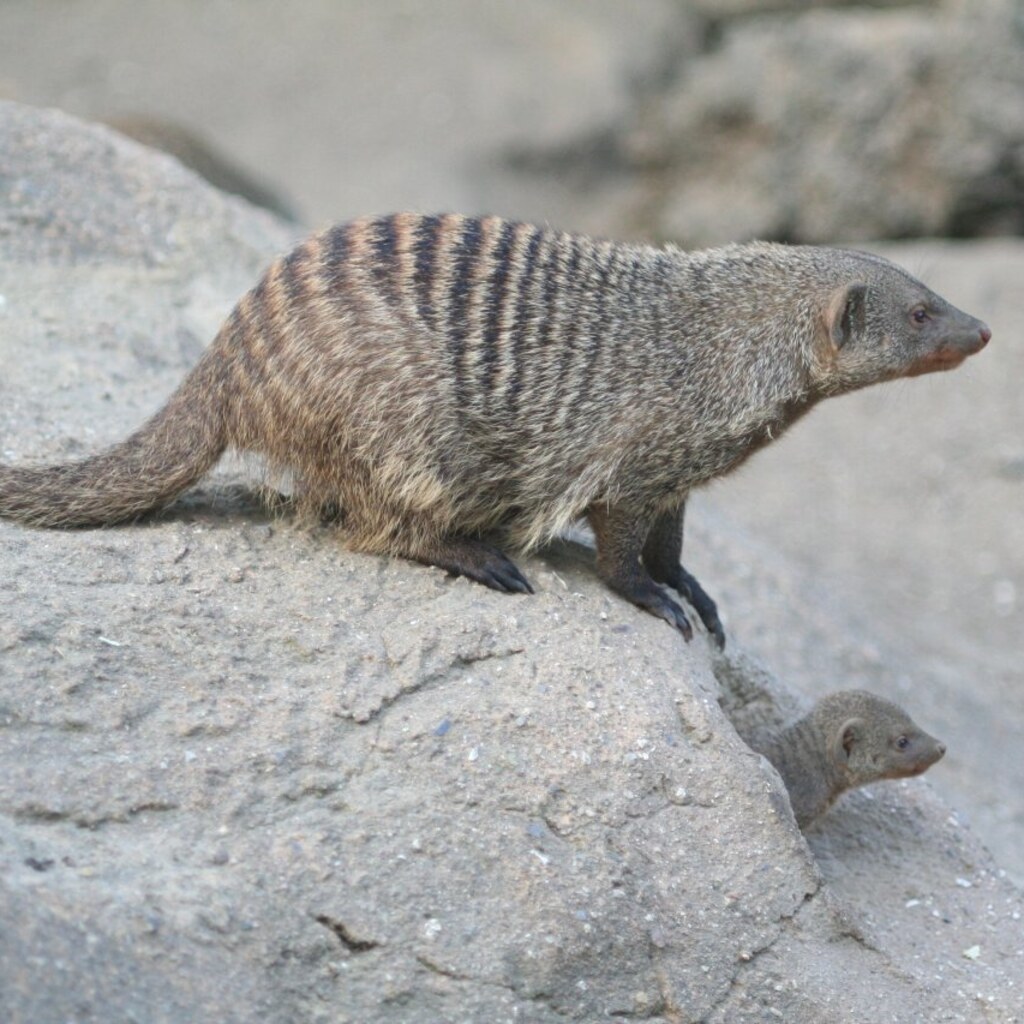
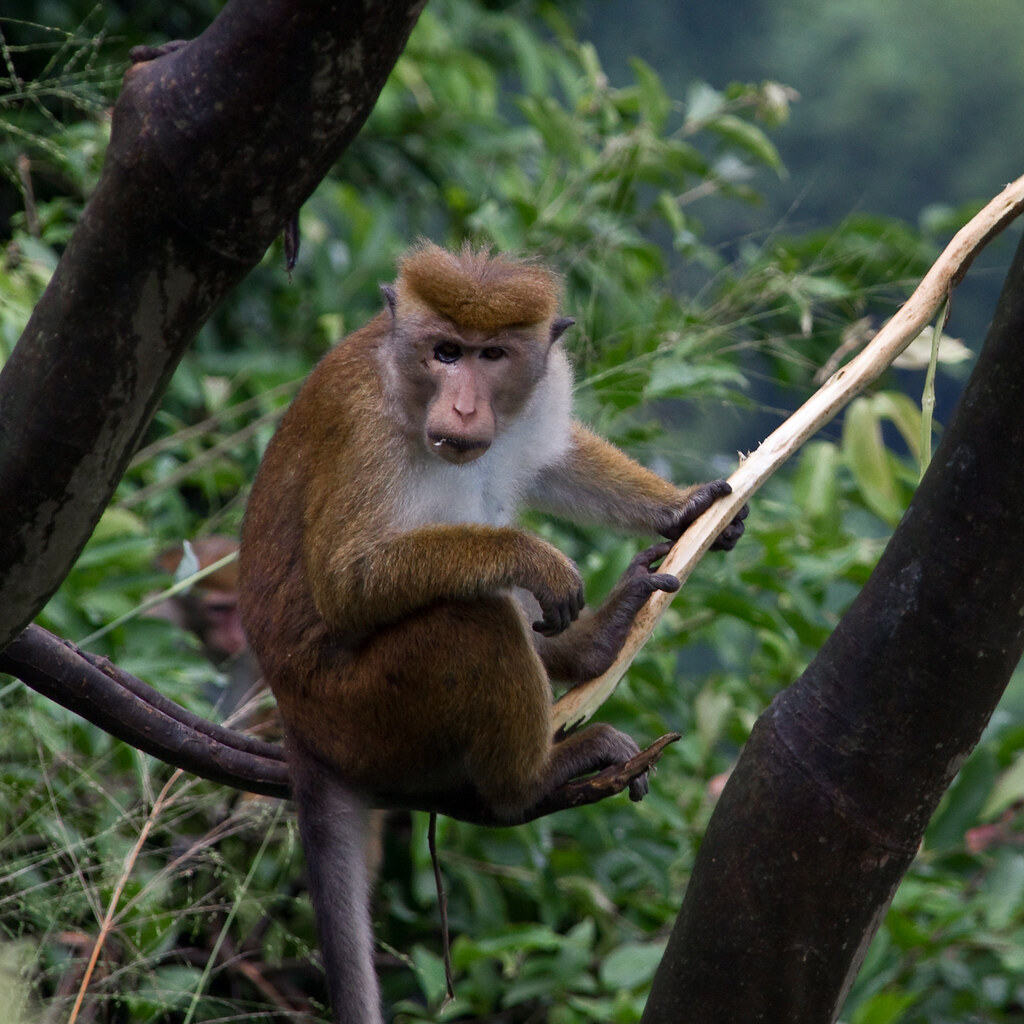
Monkeys are distantly related to people. There are many different kinds of monkey, ranging in size from a few inches long to as big as a person. Different kinds of monkey eat different things, but usually they eat at least some of fruit, leaves, insects, eggs and small animals. All monkeys have tails.
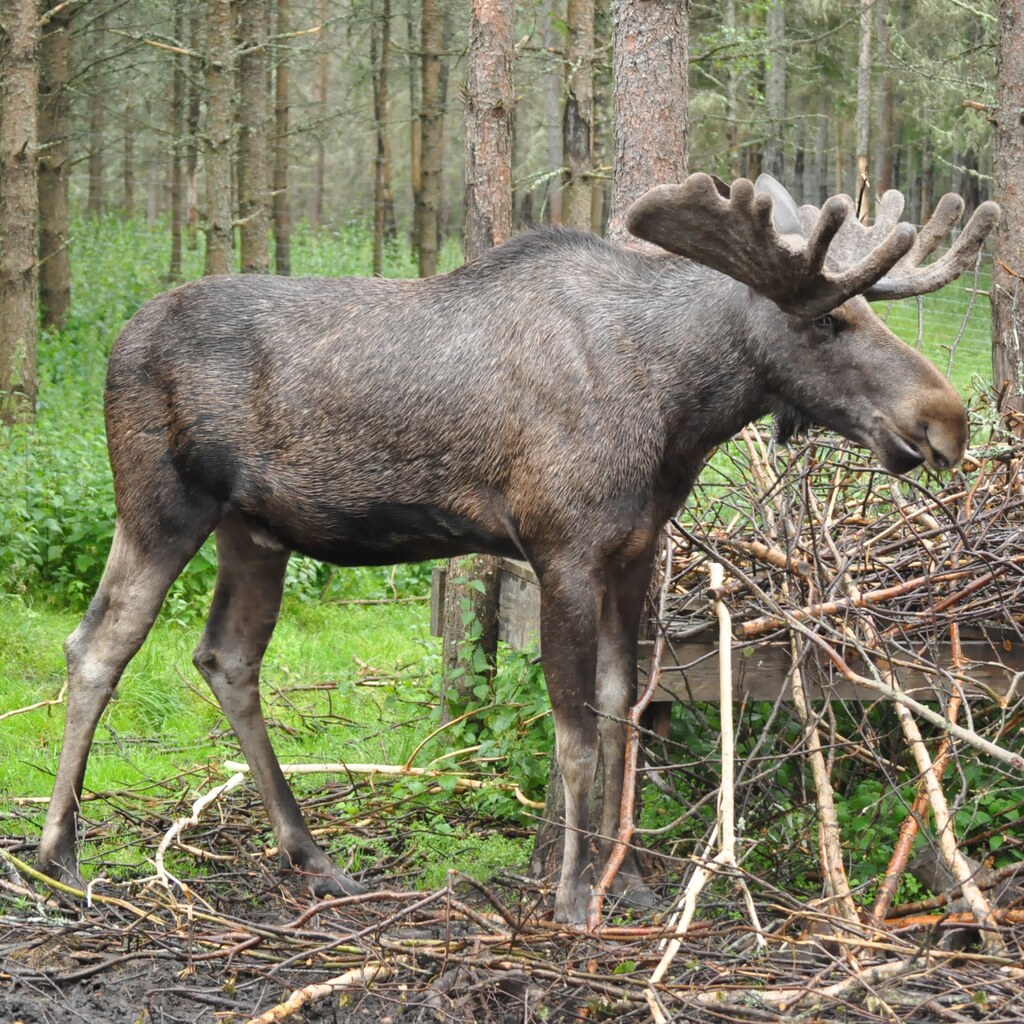
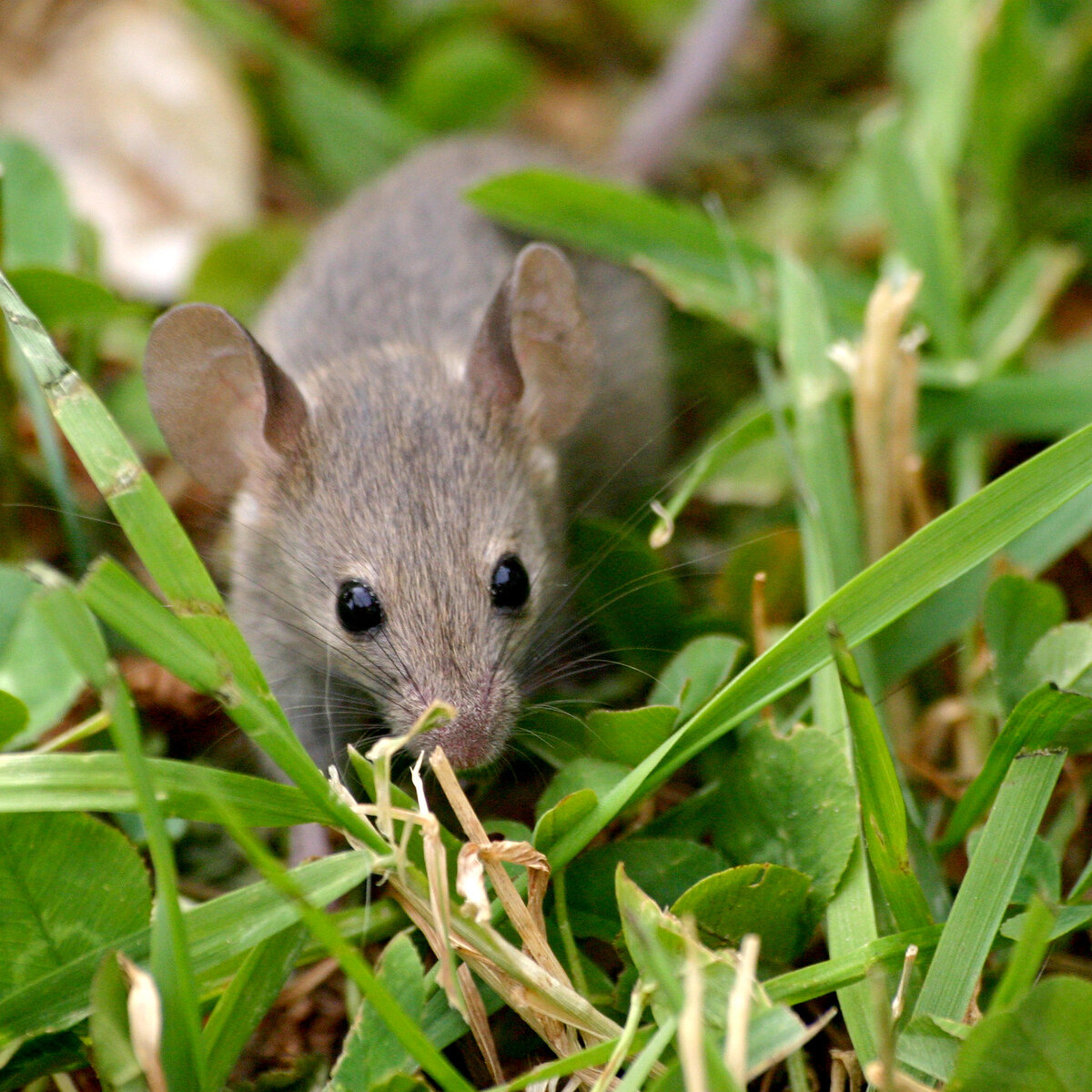
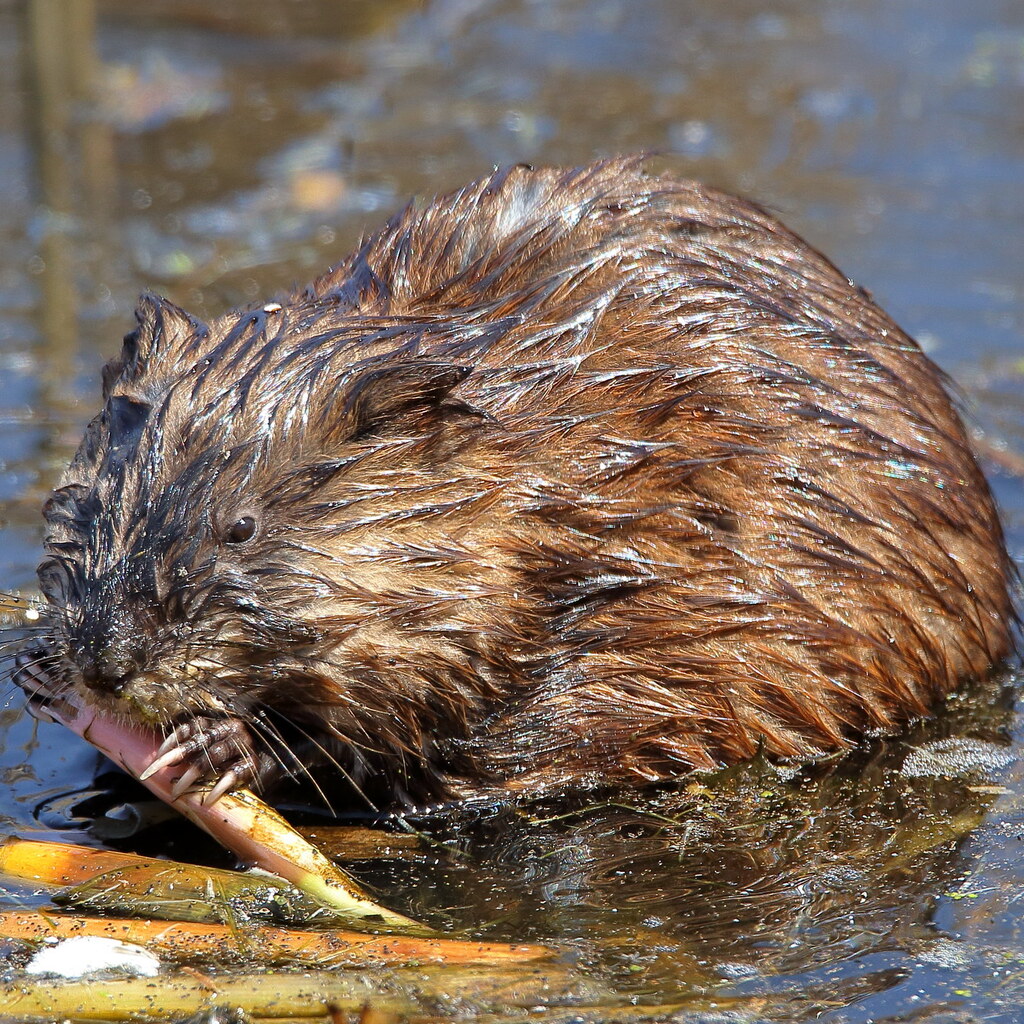
Muskrat is a medium-sized rodent with a thick, brown coat and a flat, rounded tail that helps it swim. It lives in and around fresh water like rivers, ponds, and marshes, building houses from plants near the water. Muskrats are strong swimmers and use their webbed back feet to move through the water, where they feed mainly on plants and also some small animals.
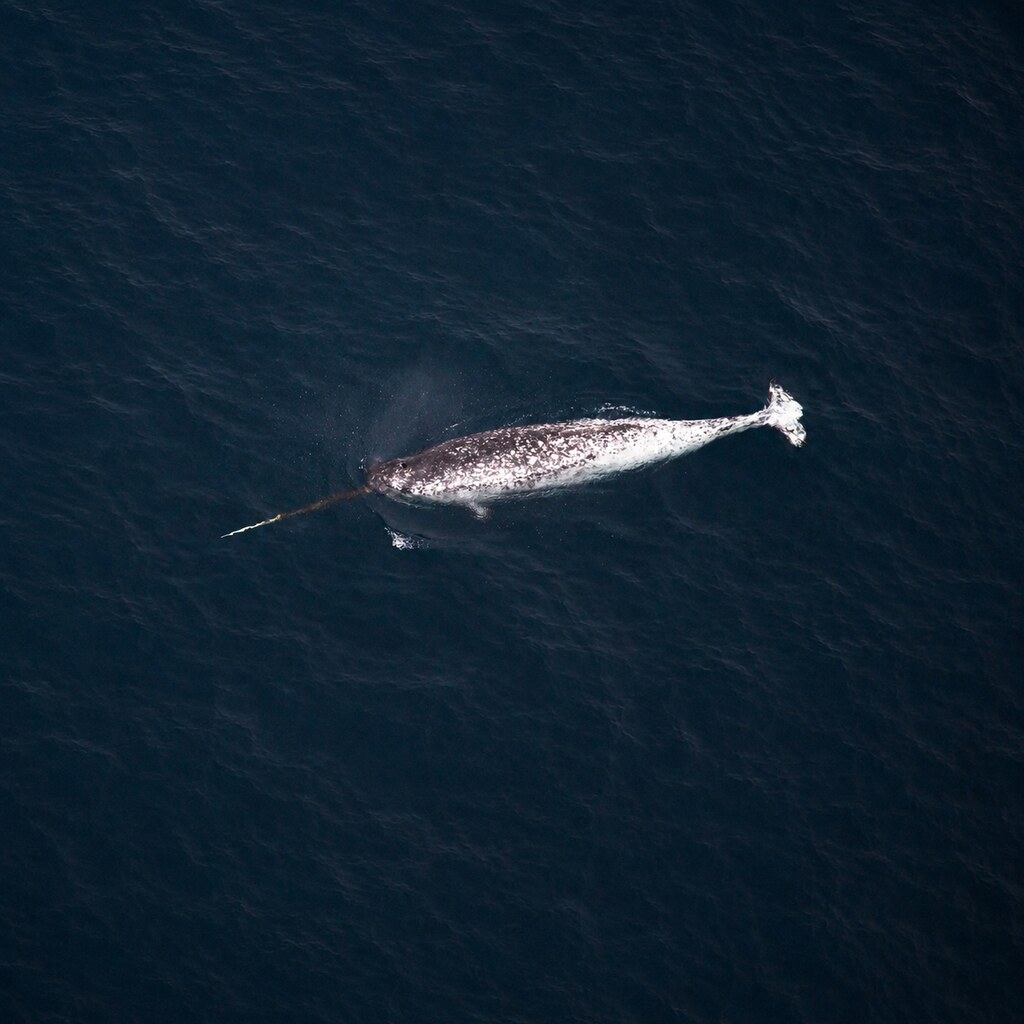
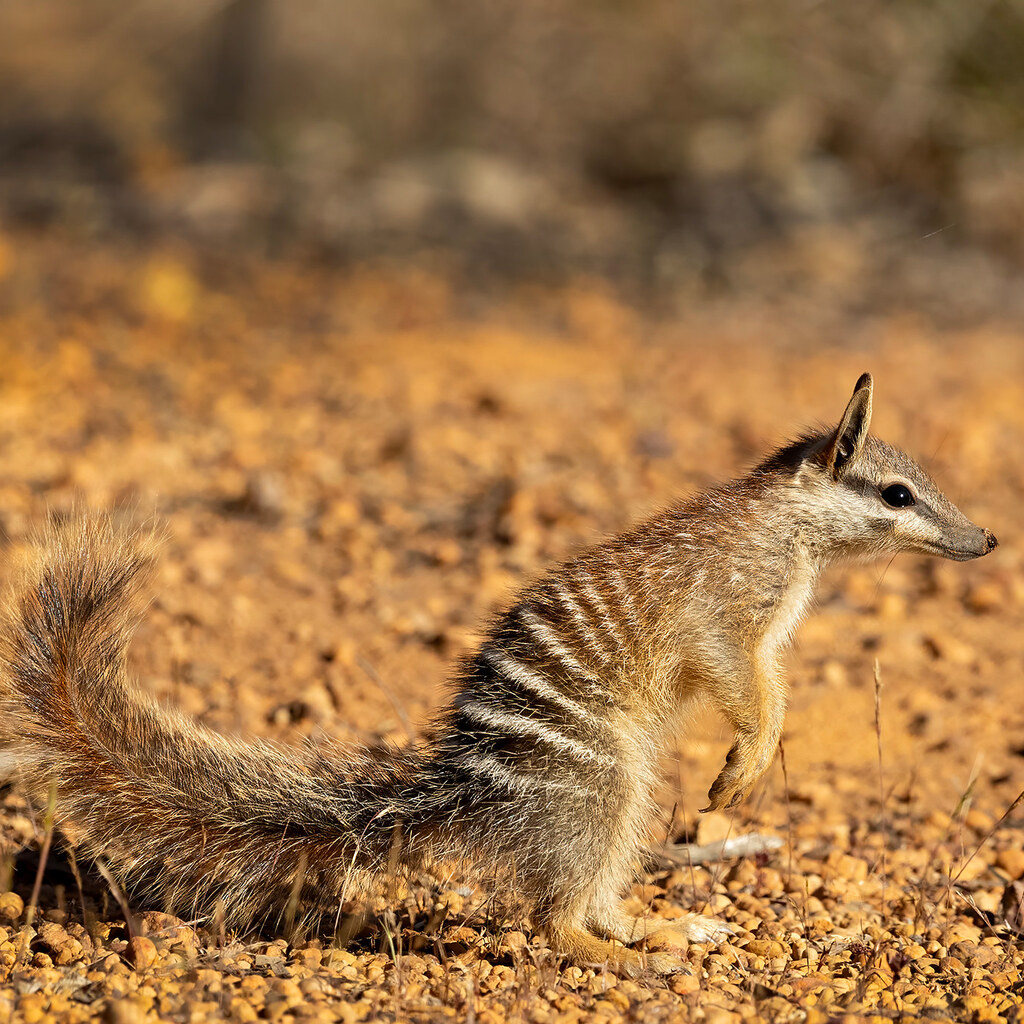
A numbat is a small, striped marsupial that is active at dawn and dusk. It eats mostly termites.
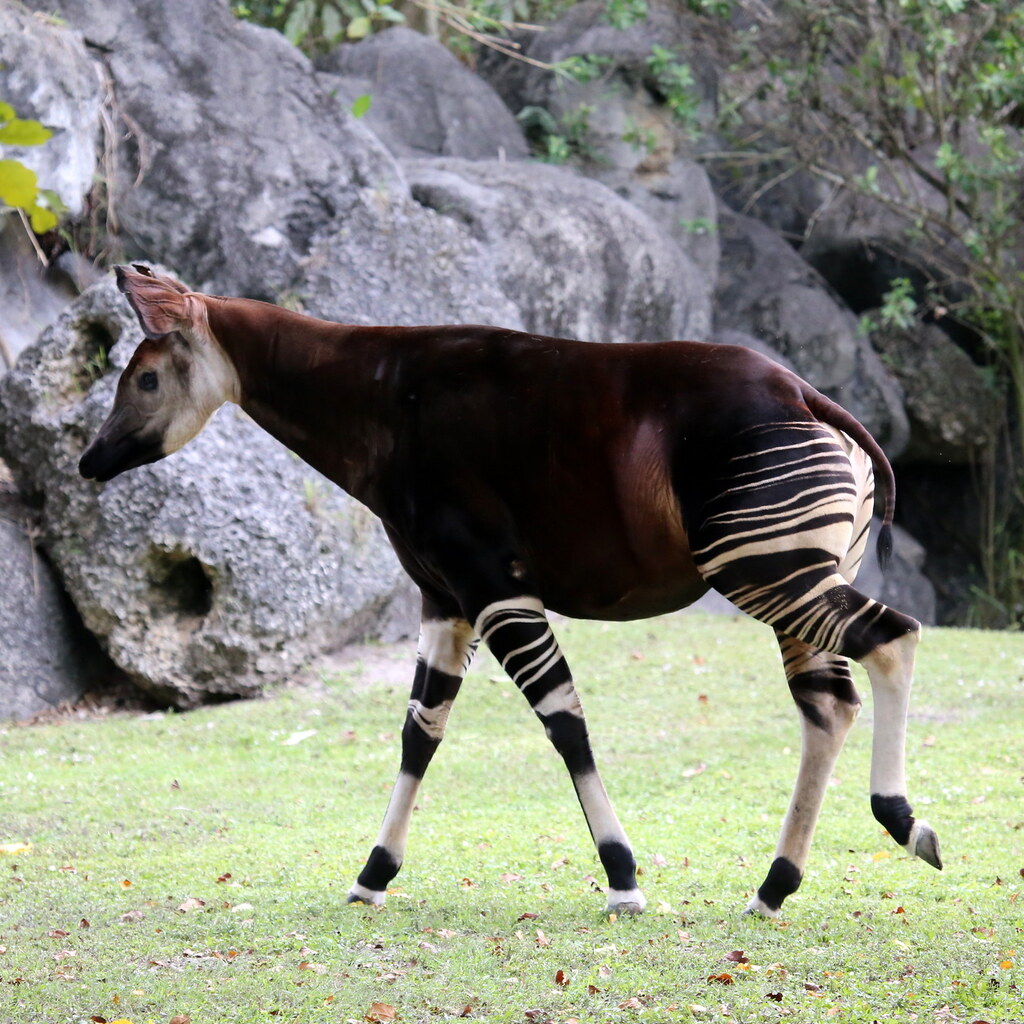
The okapi is an animal that lives in the forests of Central Africa. It looks a bit like a mix of a deer and a giraffe, and it has dark brown and tan stripes on its legs.
Okapi use their long necks to reach leaves from trees. They are shy and live mostly alone.
Okapi use their long necks to reach leaves from trees. They are shy and live mostly alone.

