Showing 161-180 of 197
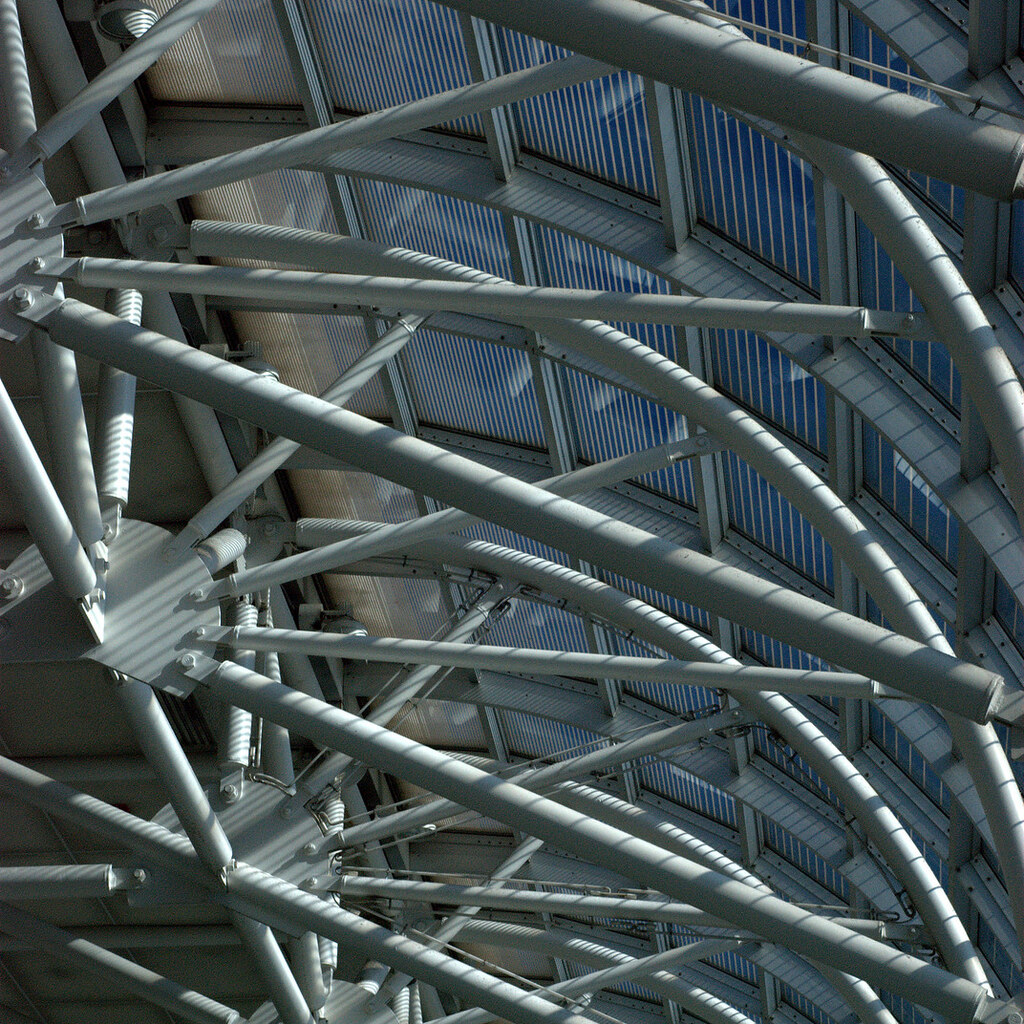
Steel is an alloy of iron and small amounts of carbon, chrome and other metals. Steel is much, much harder than iron and is much more useful for making things out of.
Steel is used heavily in building construction, making land and sea vehicles of all kinds, and many household appliances. Some types of steel can still rust, but surgical and stainless steel are far less prone to rusting.
Steel is used heavily in building construction, making land and sea vehicles of all kinds, and many household appliances. Some types of steel can still rust, but surgical and stainless steel are far less prone to rusting.
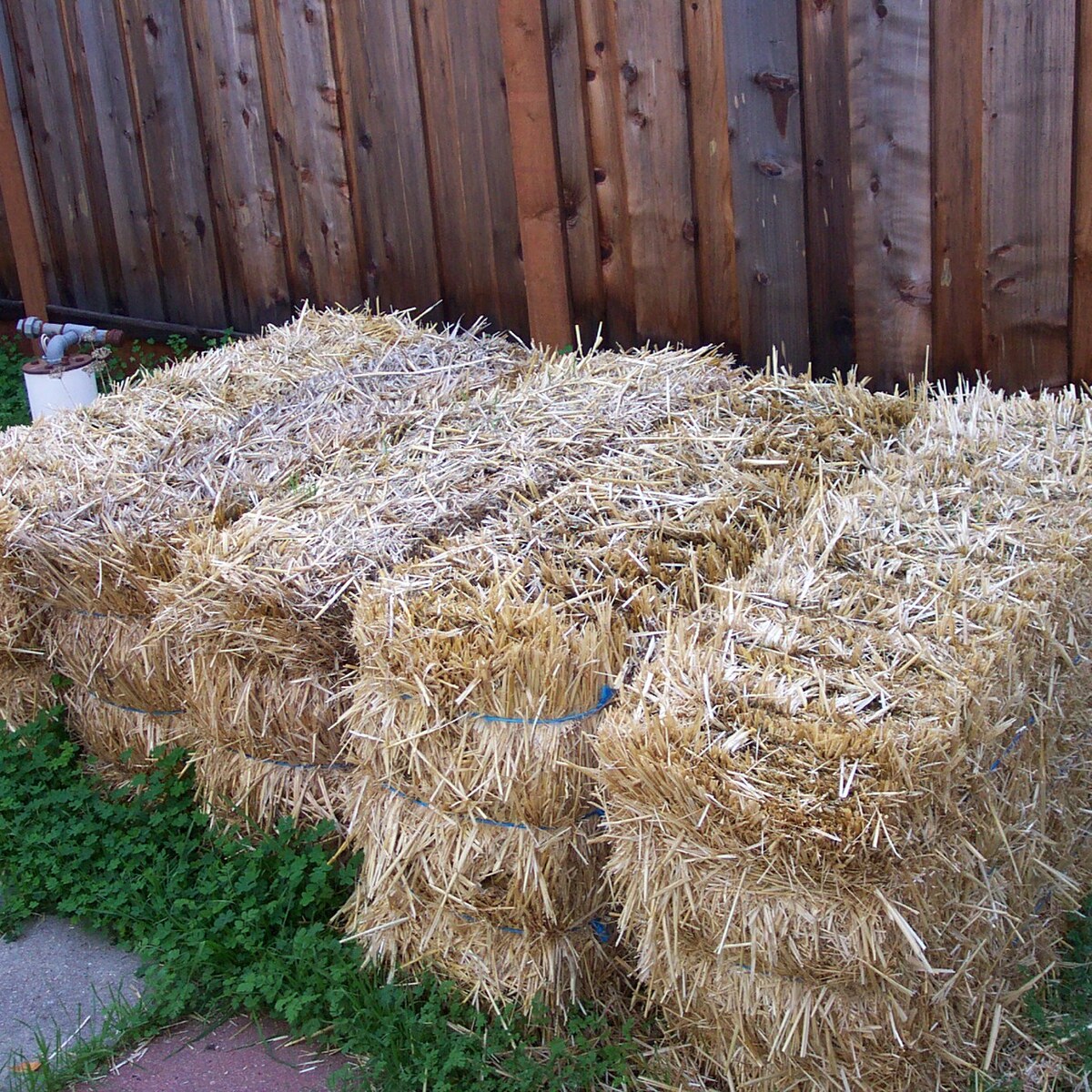
Straw is a waste product from growing grains like wheat. It is the dried stalks of the plants after the seed heads have been cut off at harvest time. Straw is used for animal bedding, mulching gardens, as thatched rooves, making hats, and as a poor-quality animal feed. Hay is similar to straw but is a better quality animal feed.
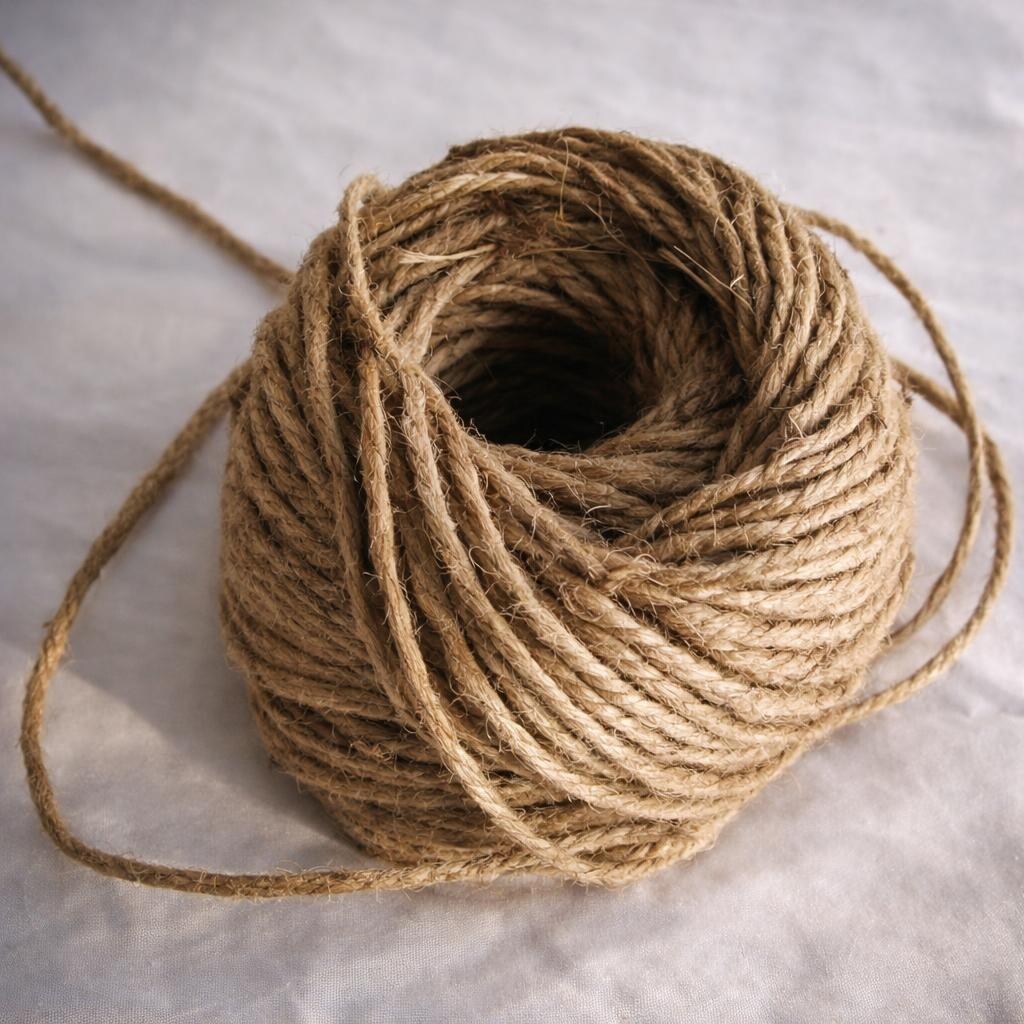
S is for String (Material)
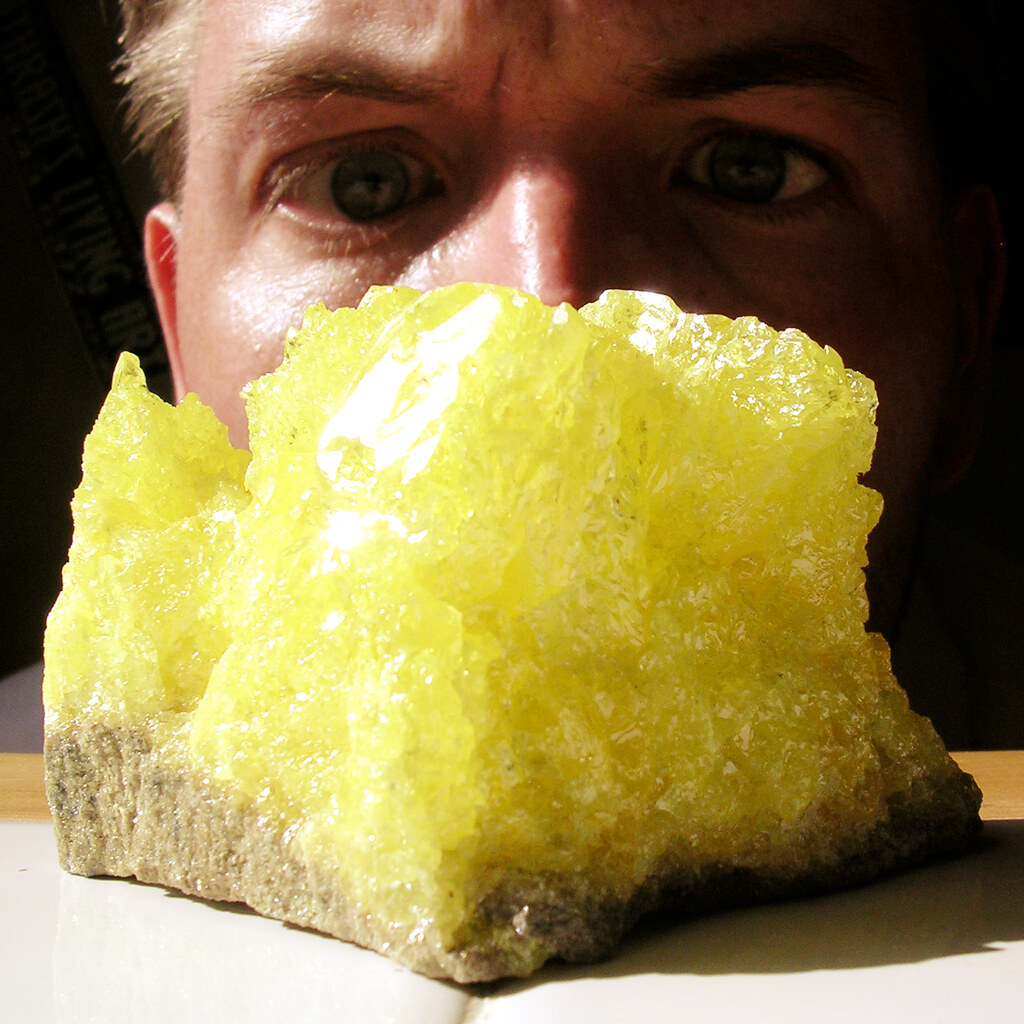
Sulfur, also spelt sulphur, is a bright yellow element that is commonly found in nature. It is found in pure form around volcanoes and can also be mined.
Sulfur is essential to life, and is used in a variety of ways. It is a component of gunpowder, it is used as a preservative, in the head of matches, is found in fertilizer and many other uses. Many things that contain sulfur smell bad, and sulfur is found in skunk smell and garlic.
Sulfur is essential to life, and is used in a variety of ways. It is a component of gunpowder, it is used as a preservative, in the head of matches, is found in fertilizer and many other uses. Many things that contain sulfur smell bad, and sulfur is found in skunk smell and garlic.
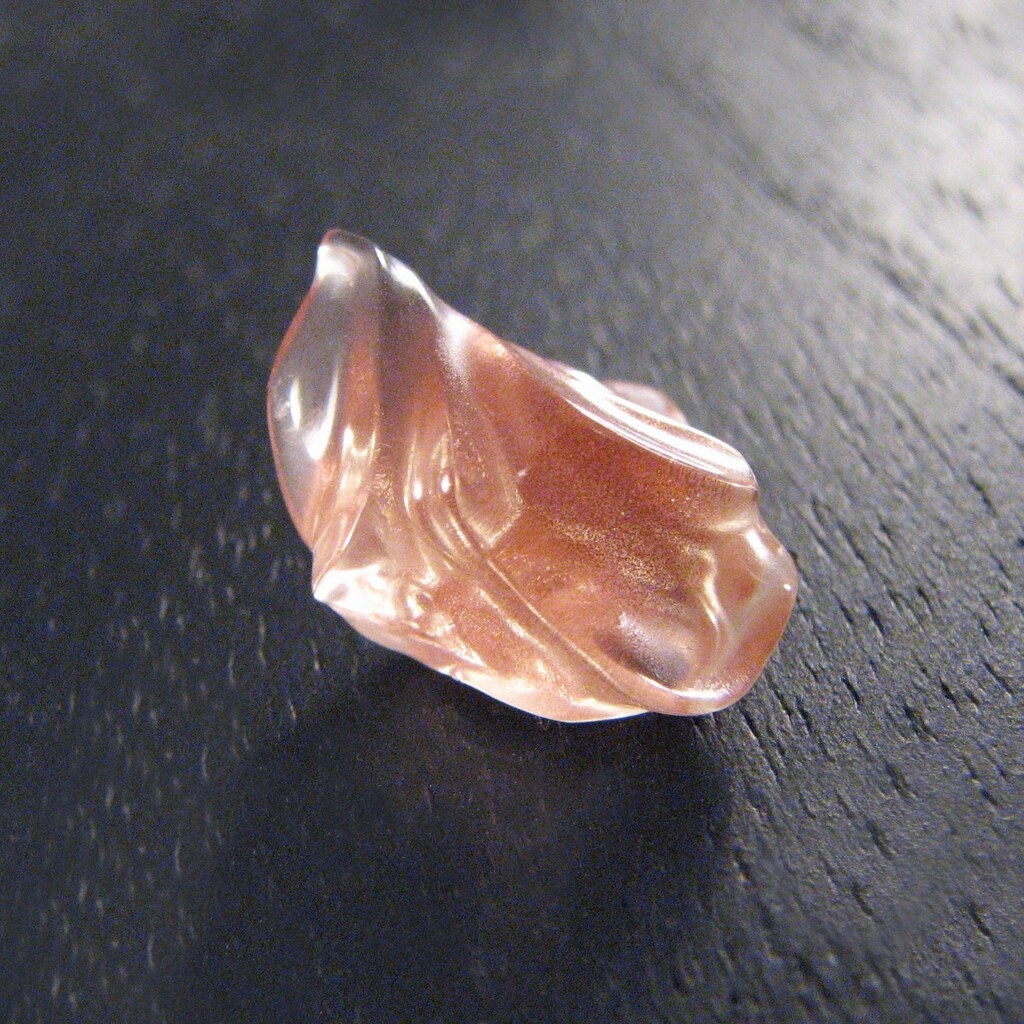
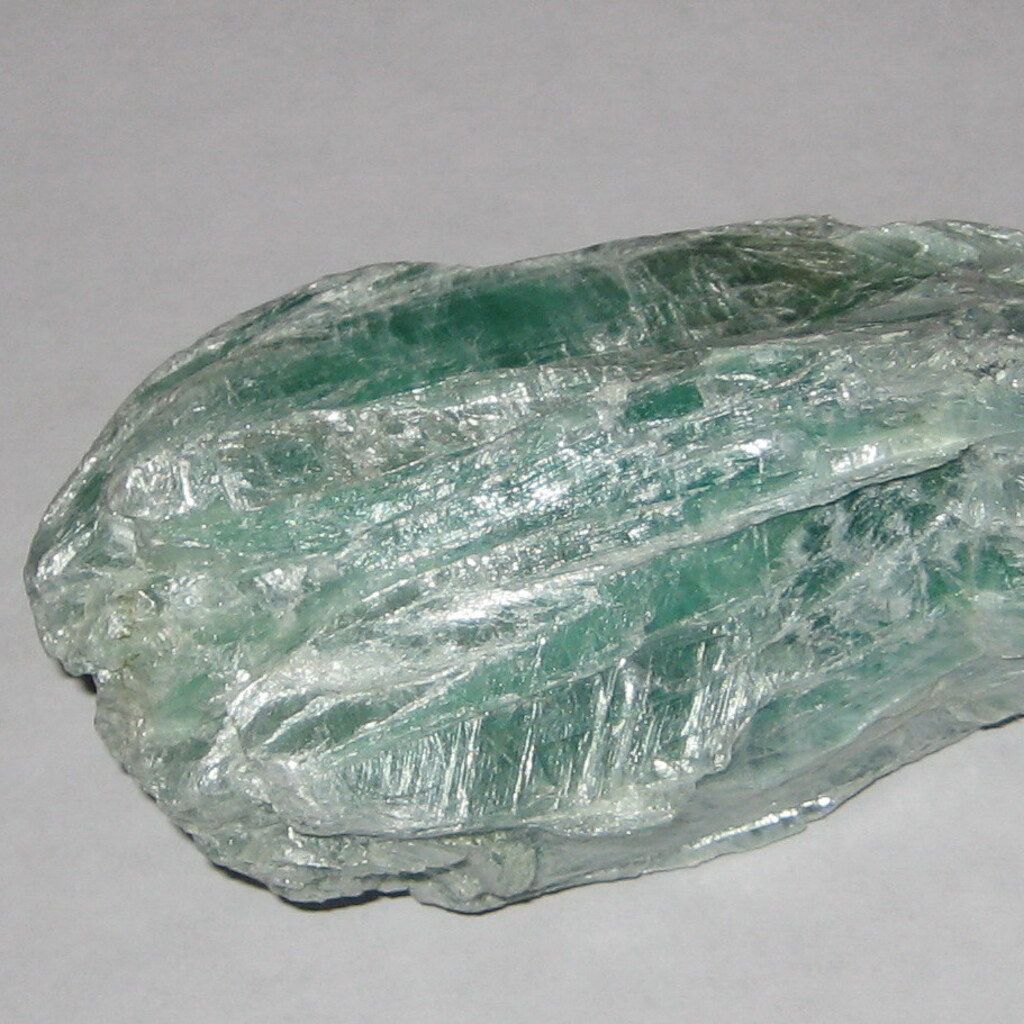
Talc is the softest stone there is. It can be ground up and turned into talcum powder. The chemical composition of talc is hydrated magnesium silicate. Talc is typically found as a translucent grey-green stone.
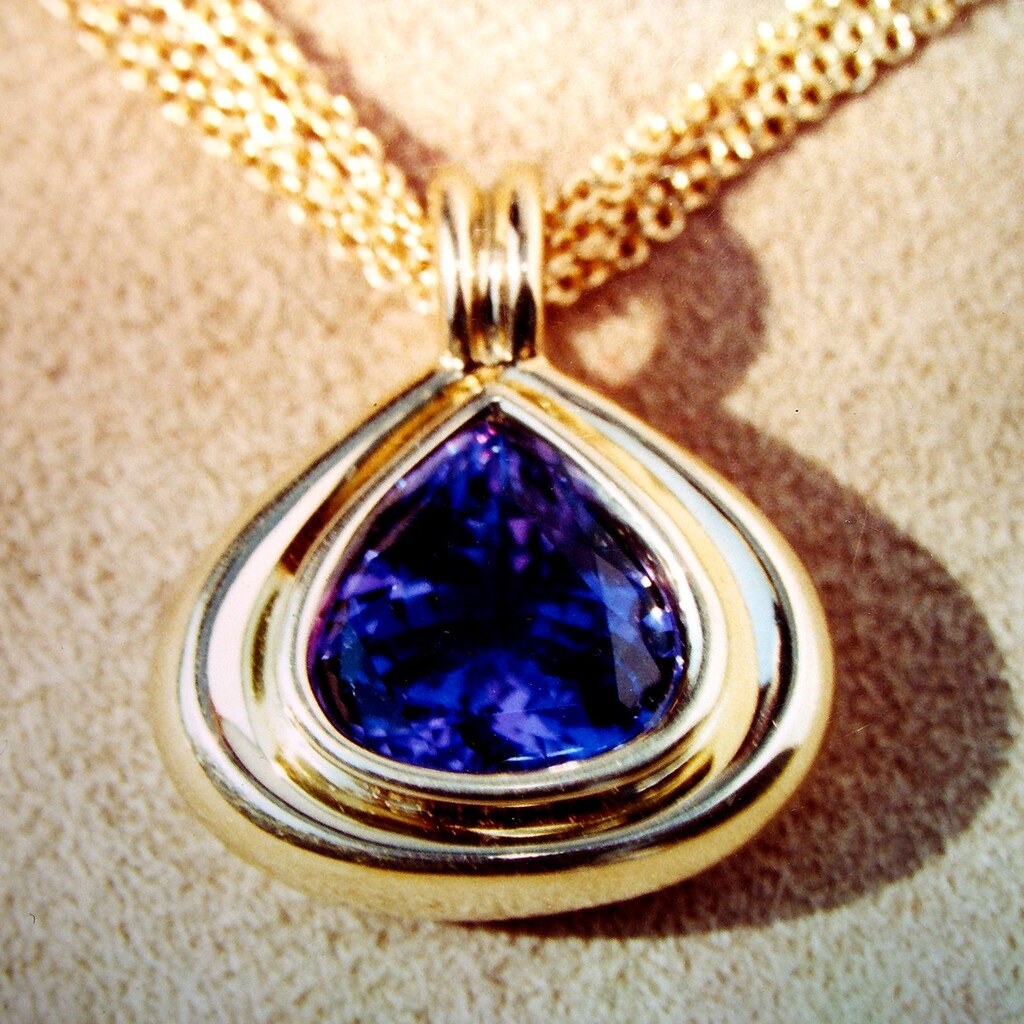
Tanzanite is a mineral that looks a different colour depending on what angle you look at it from - it can be sapphire blue, violet, or burgundy. Tanzanite is a rare gem, found mostly in the foothills of Mount Kilimanjaro.
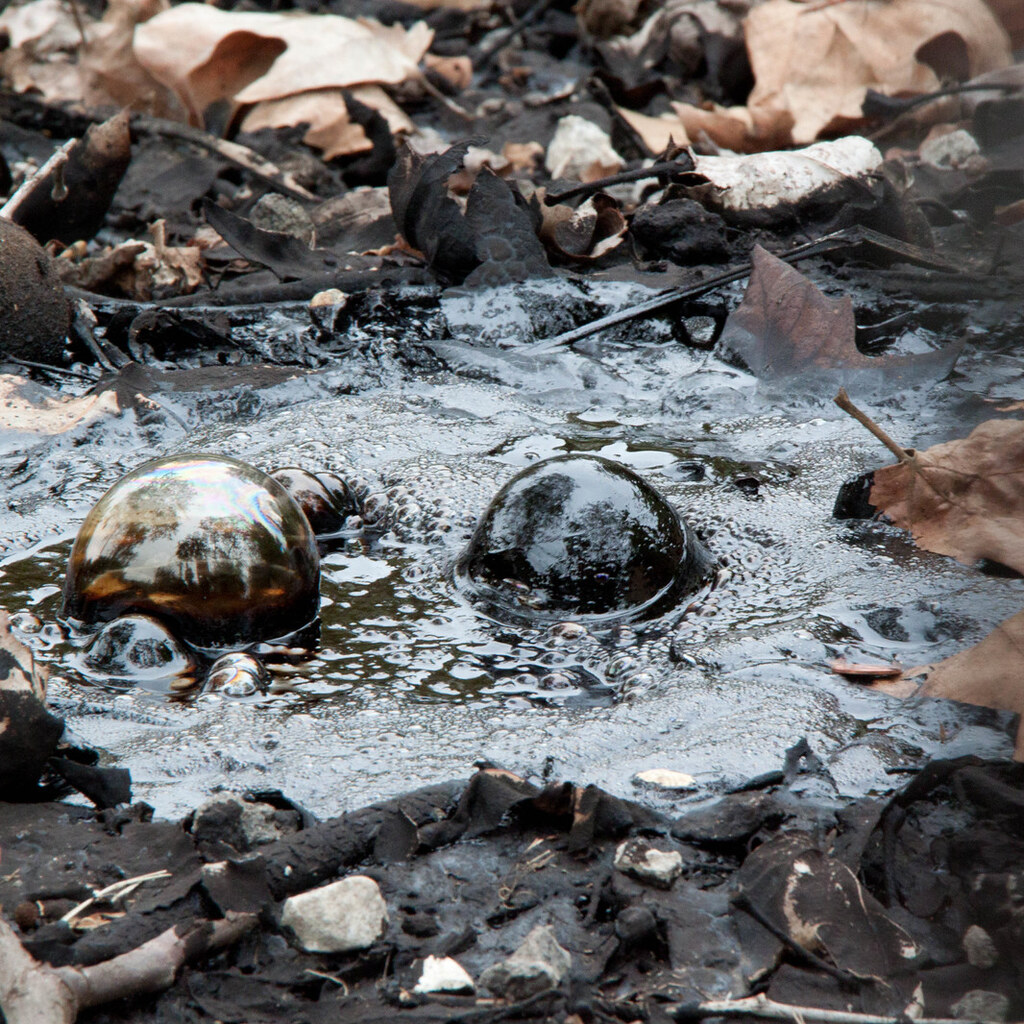
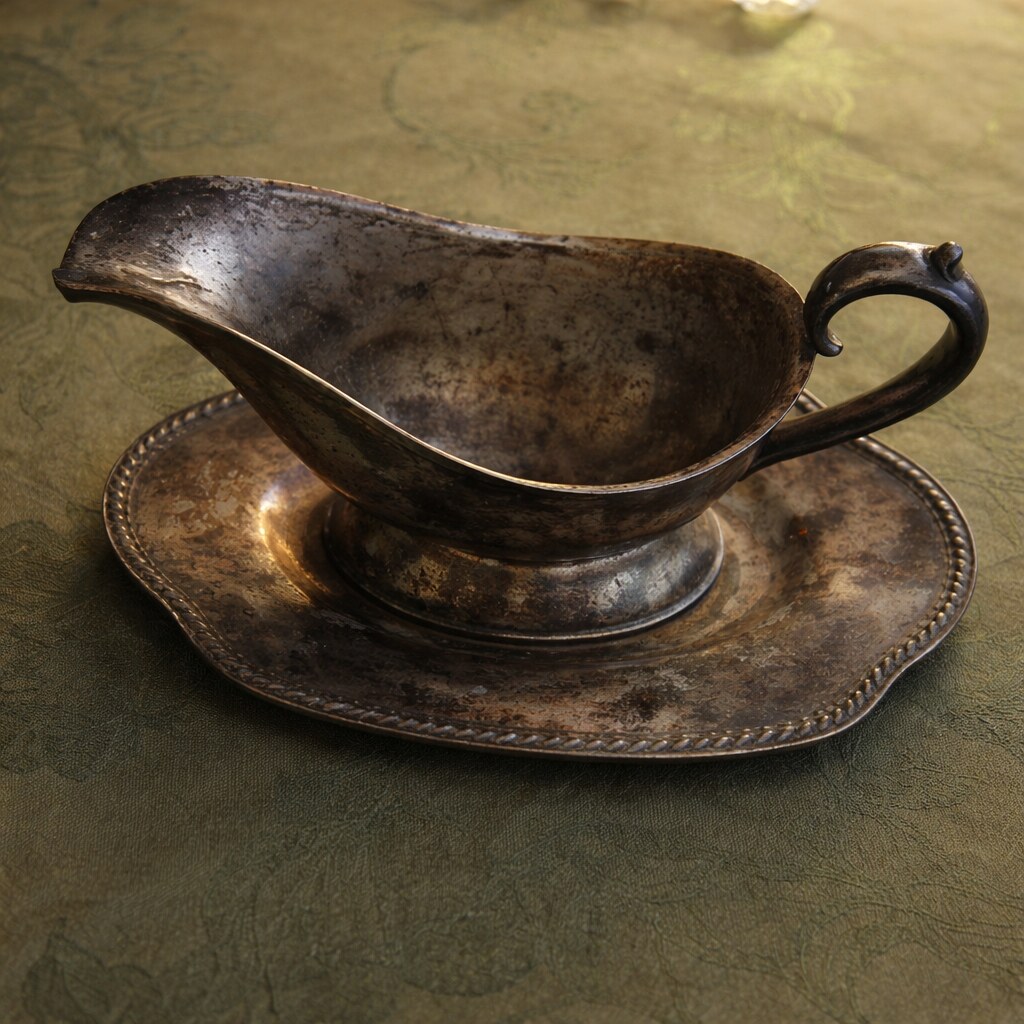
Something made from metal is tarnished if it has a layer of a dull, colored substance on it instead of being bright, shiny and reflective.
Tarnish is a different color on different kinds of metal. silver tarnish is black and copper tarnish is green. Some metals do not tarnish, instead they rust, which can eat away all of the metal over time instead of just leaving a thin coating on the surface.
Tarnish is a different color on different kinds of metal. silver tarnish is black and copper tarnish is green. Some metals do not tarnish, instead they rust, which can eat away all of the metal over time instead of just leaving a thin coating on the surface.
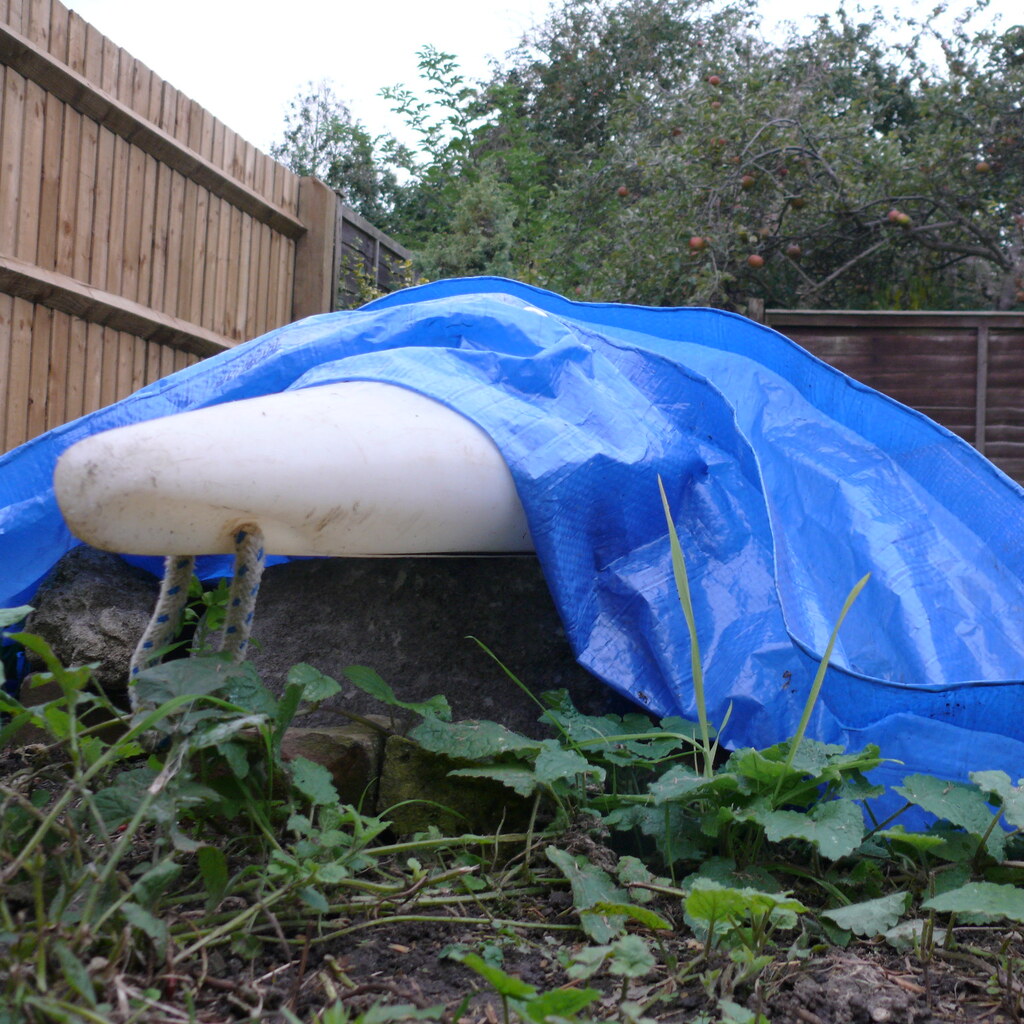
A tarpaulin is a large piece of canvas that has been waterproofed. Older style tarpaulins were made from fabric waterproofed with wax or something similar, modern tarpaulins are made from woven plastic. Tarpaulins are used to protect things from the weather.
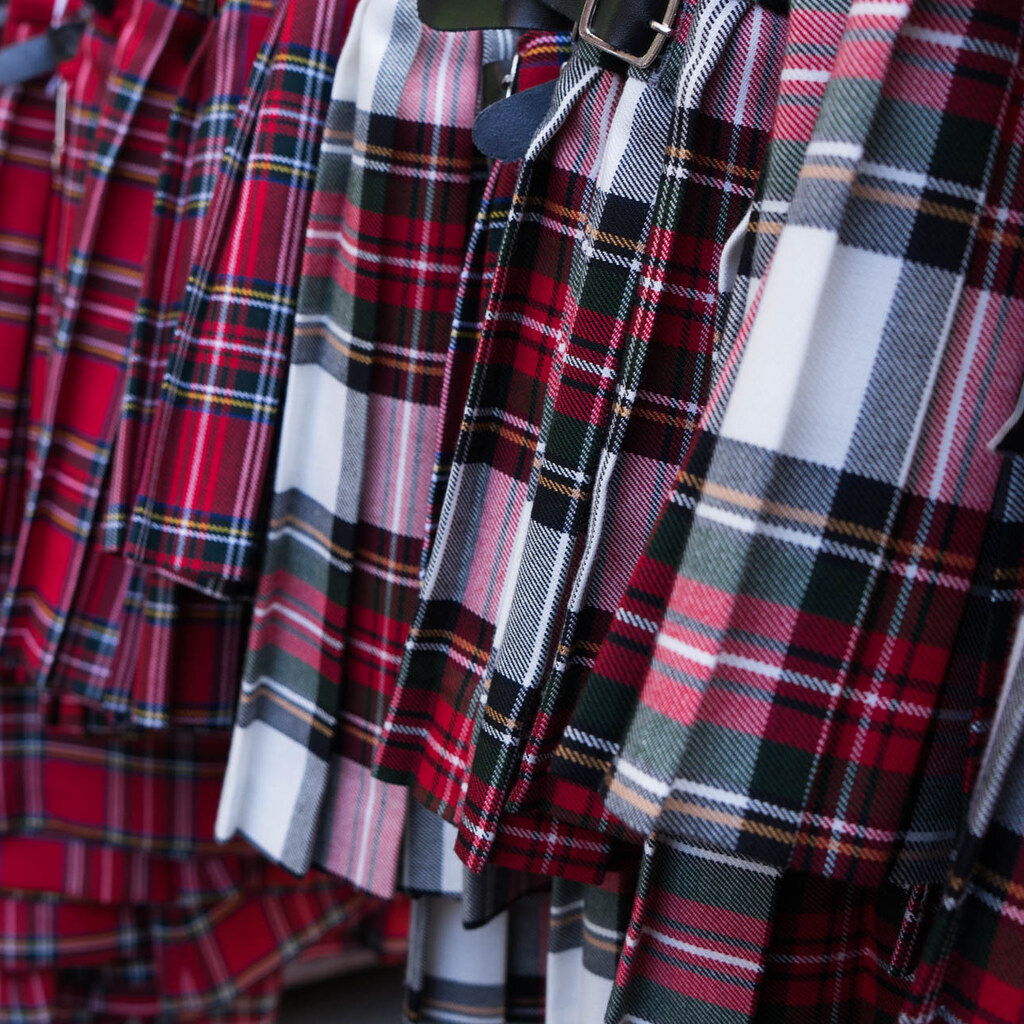
Tartan is a fabric pattern made by weaving different colours together in stripes in both directions. The stripes can be different widths, and there can be lots of different colours, unlike gingham which is made from two colours with equal width stripes.
In Scotland, different families had their own unique tartan pattern.
In Scotland, different families had their own unique tartan pattern.
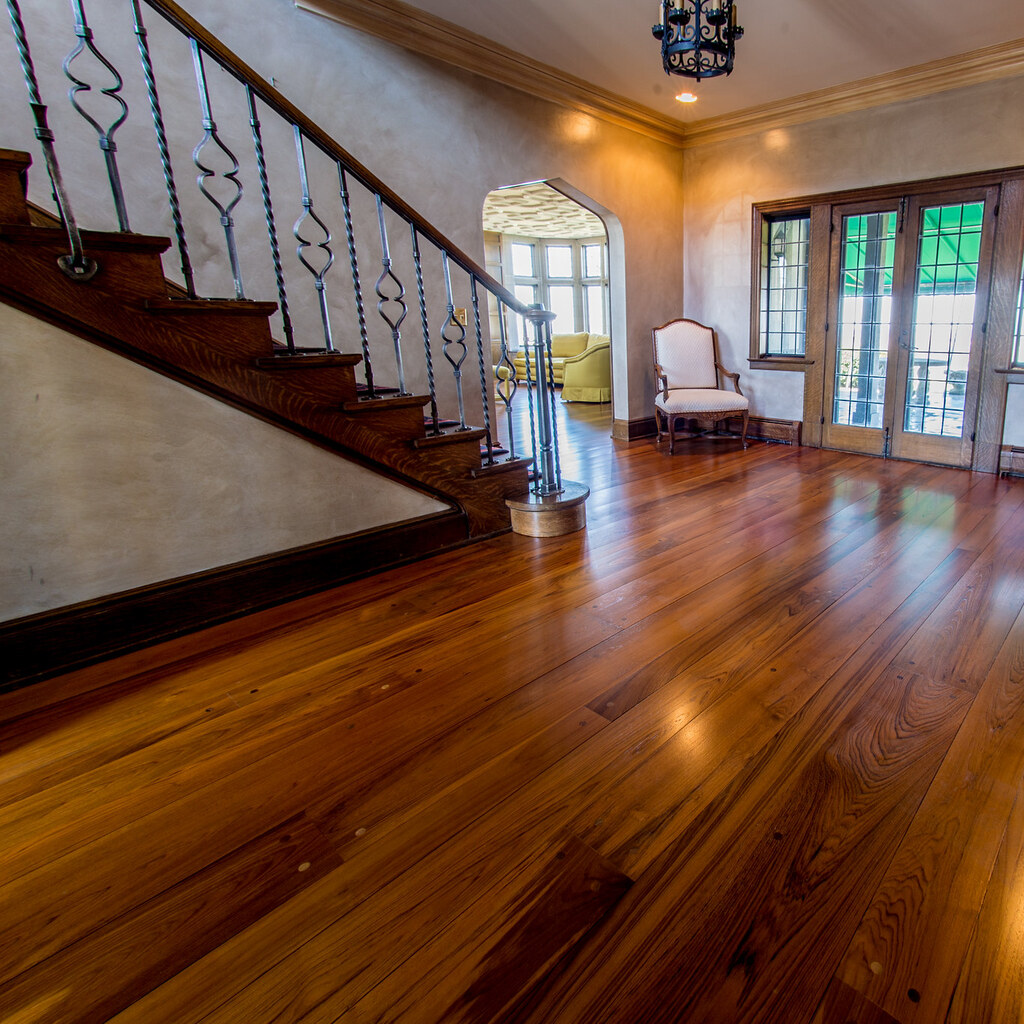
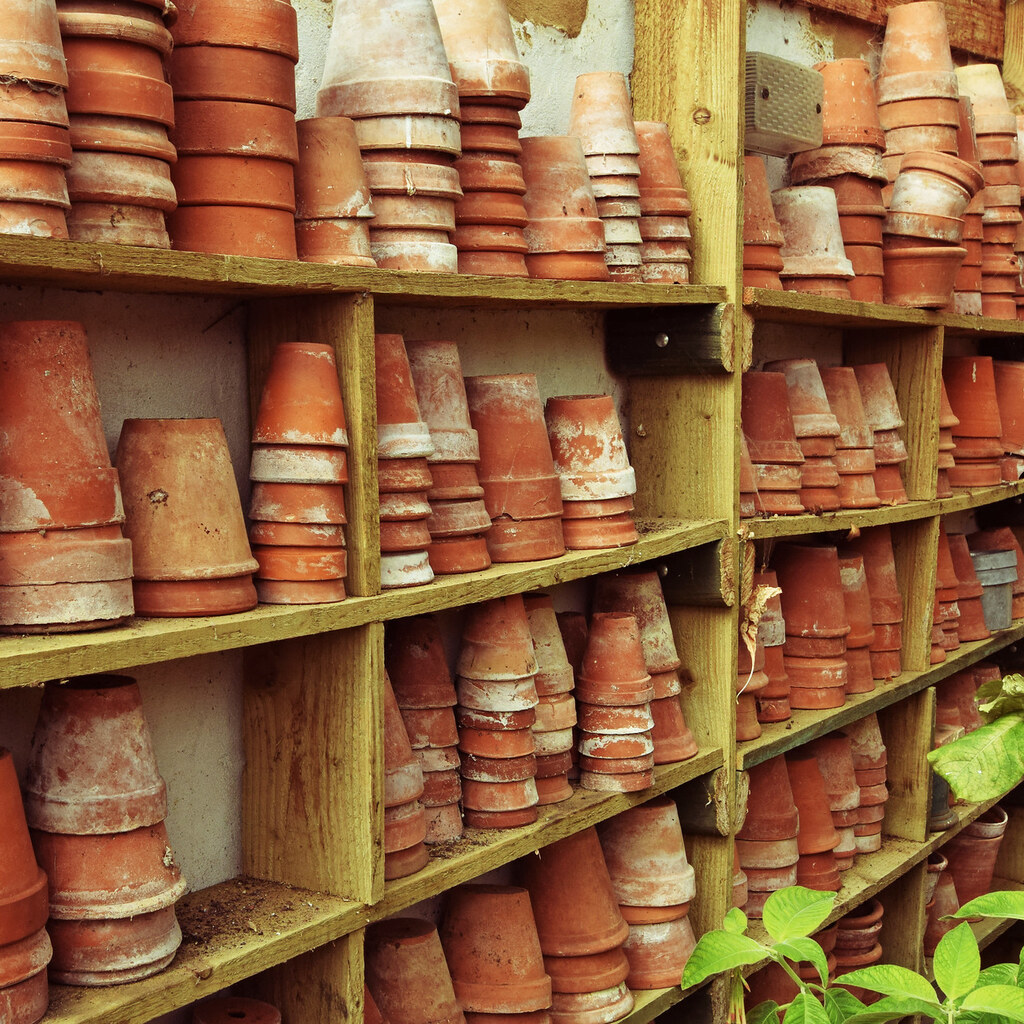
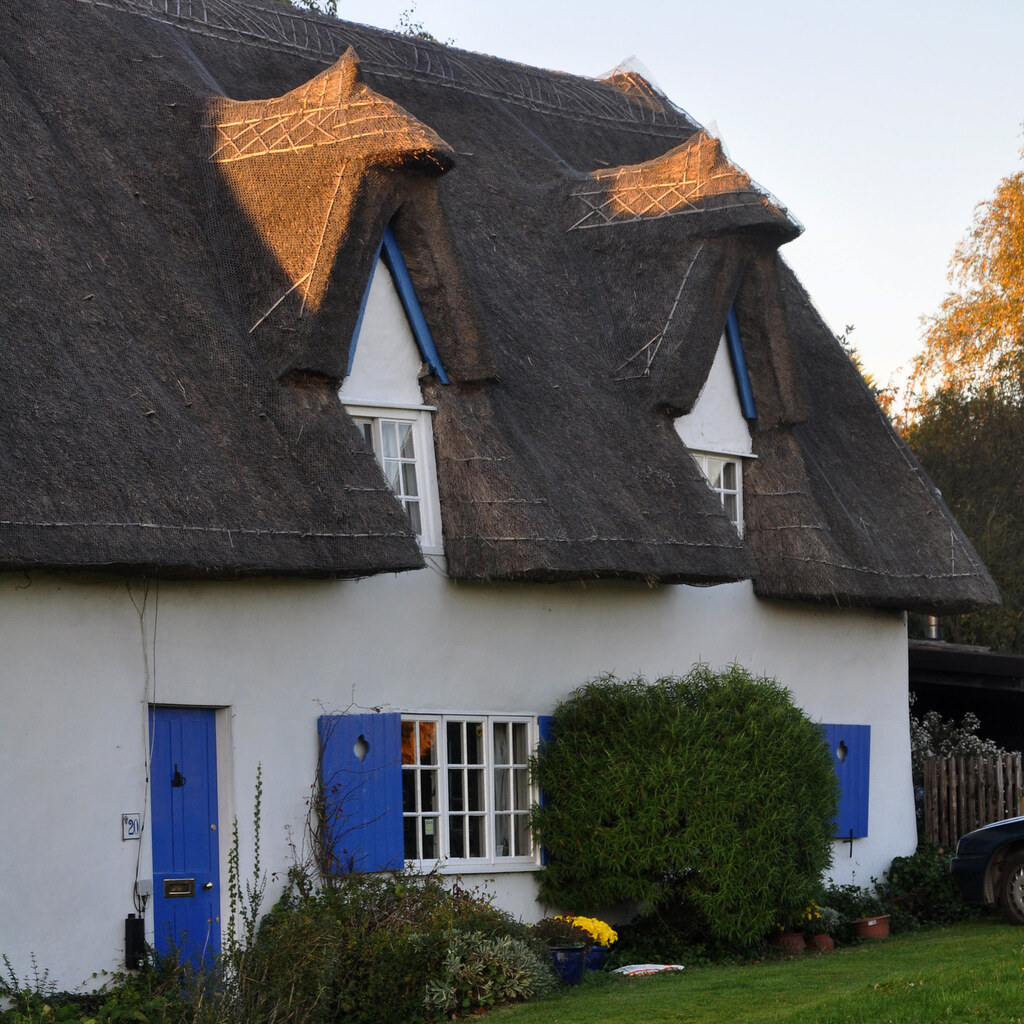
Thatching is an ancient way of making a roof on a house. Thatch is made from a thick layer of straw or reeds, and is thick enough to be watertight.
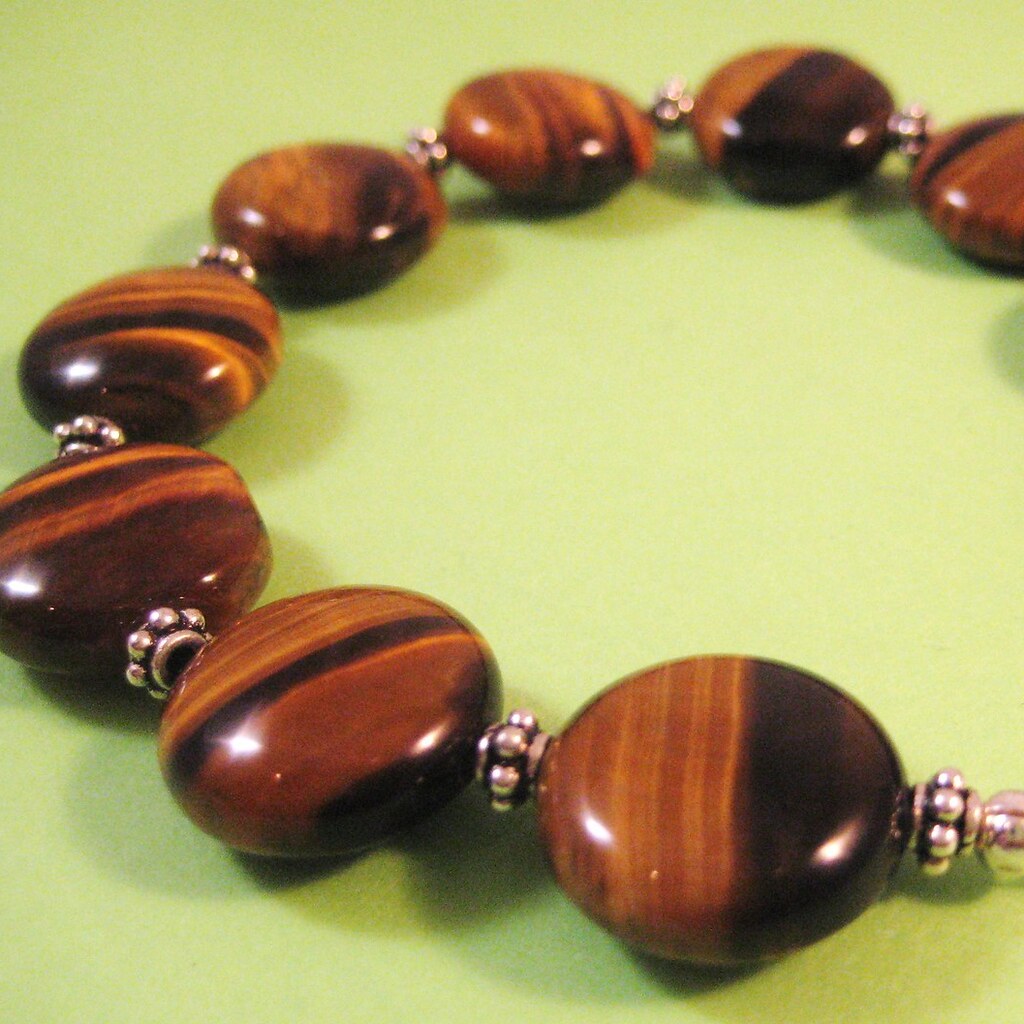
T is for Tiger's eye