Showing 61-80 of 103
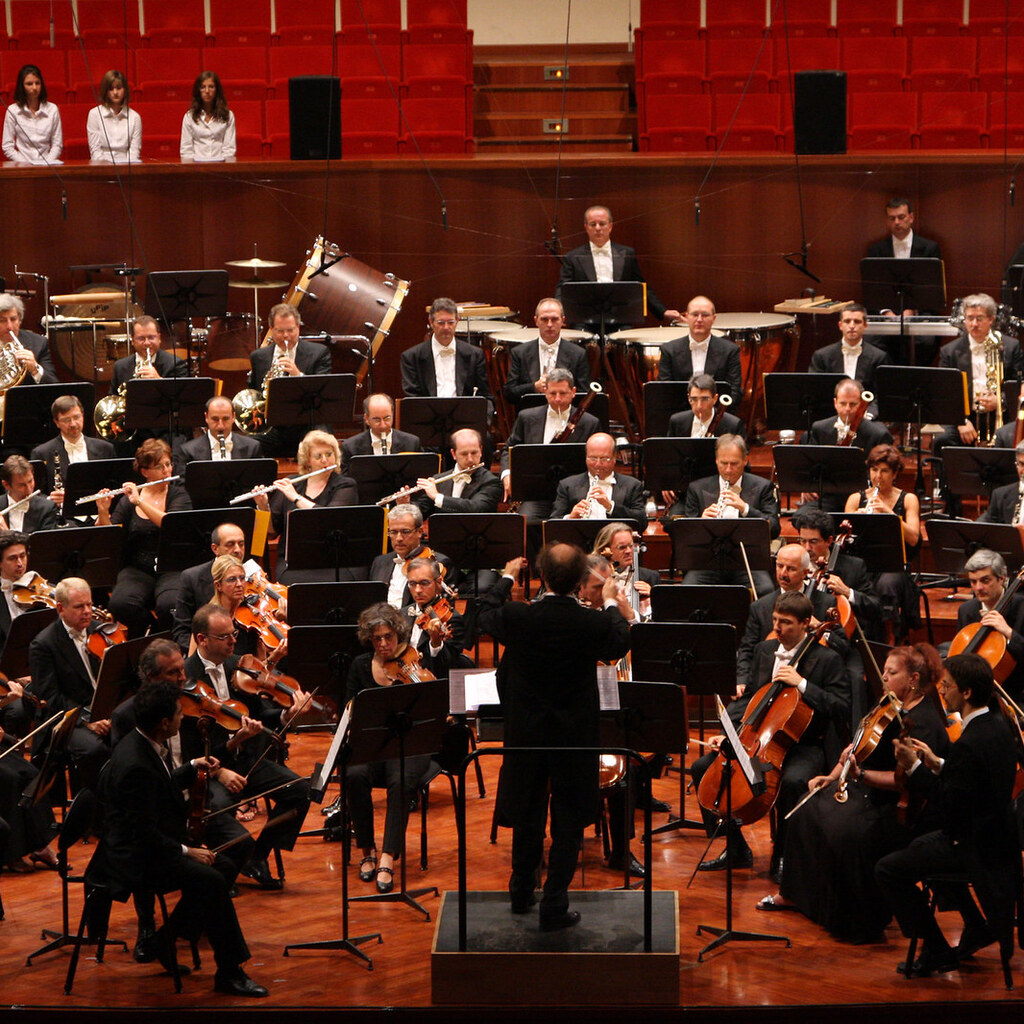
An orchestra is a large group of people together, all playing musical instruments. There are a particular number of each kind of musical instrument in an orchestra. Orchestras can play beautiful music, and people often go out to a special place like a theatre just to listen to an orchestra play. A person who directs an orchestra is called a conductor.
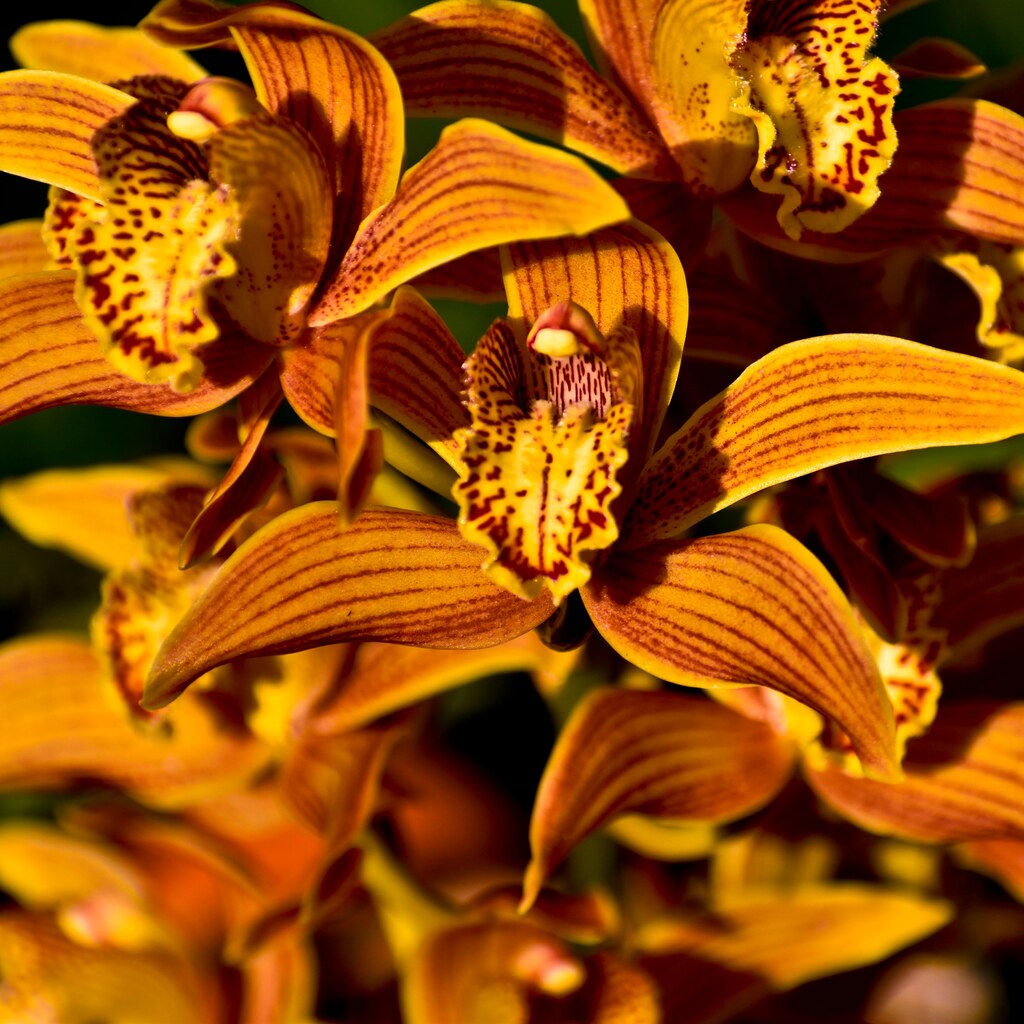
Orchids are a very big plant family. There are more different kinds of orchid than there are different kinds of bird. Orchids are found everywhere except deserts and glaciers. Orchids are grown for their pretty flowers. You can tell an orchid mainly by one of its petals being somehow different to all the others.

An order is a command you give to someone else to tell them to do something.
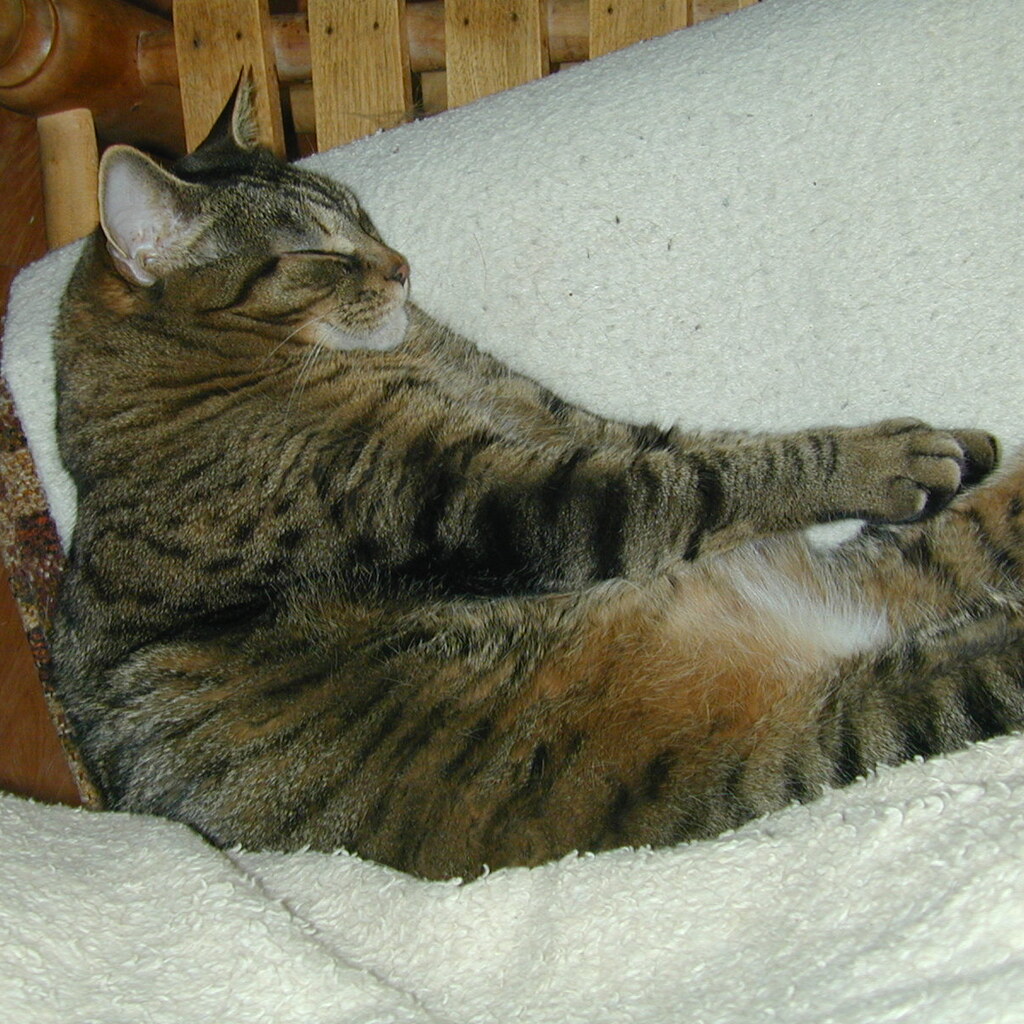
Something is ordinary if there is nothing outstanding about it.
Something is ordinary if you don't really notice it as you pass by.
Something is ordinary if you don't really notice it as you pass by.


Oragano is a herb often used in Greek, Spanish and Italian cooking. It comes from the Mediterranean region. Oregano is very commonly used on pizza.


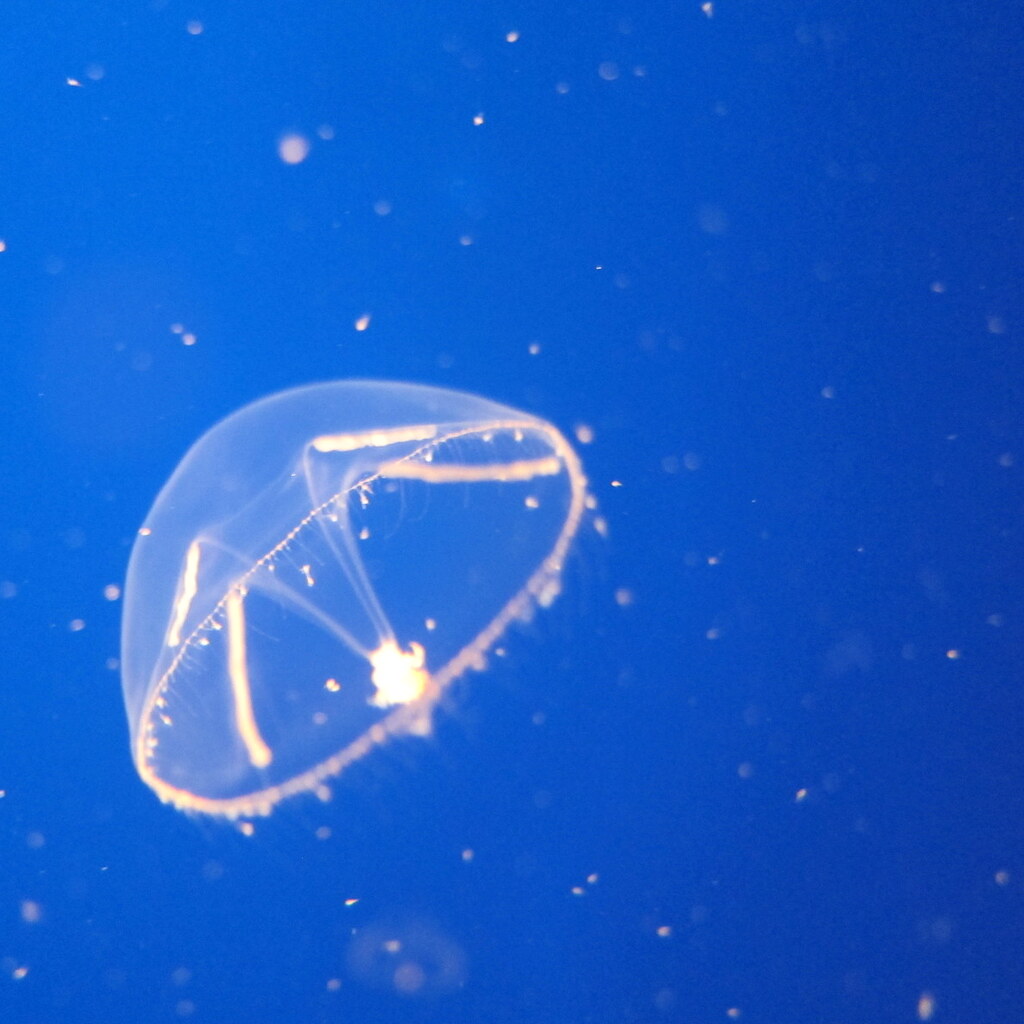
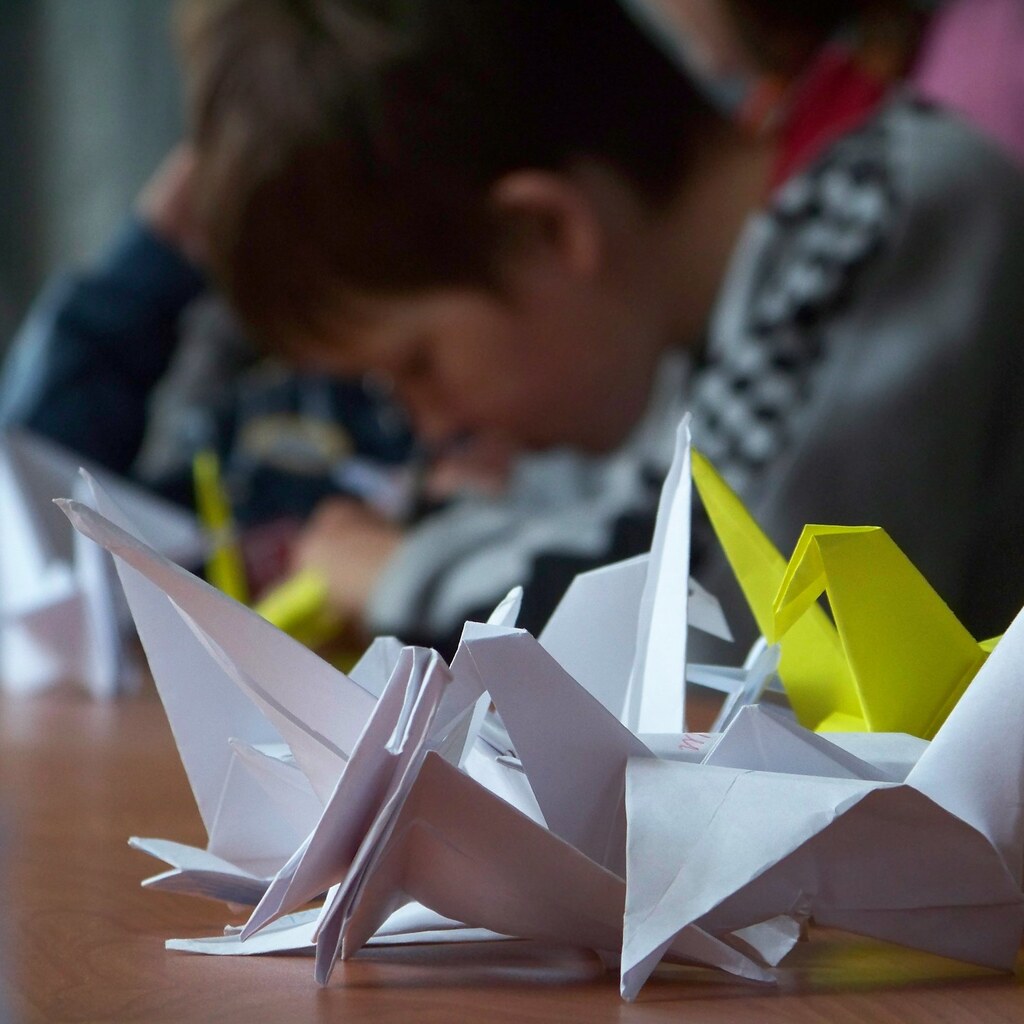
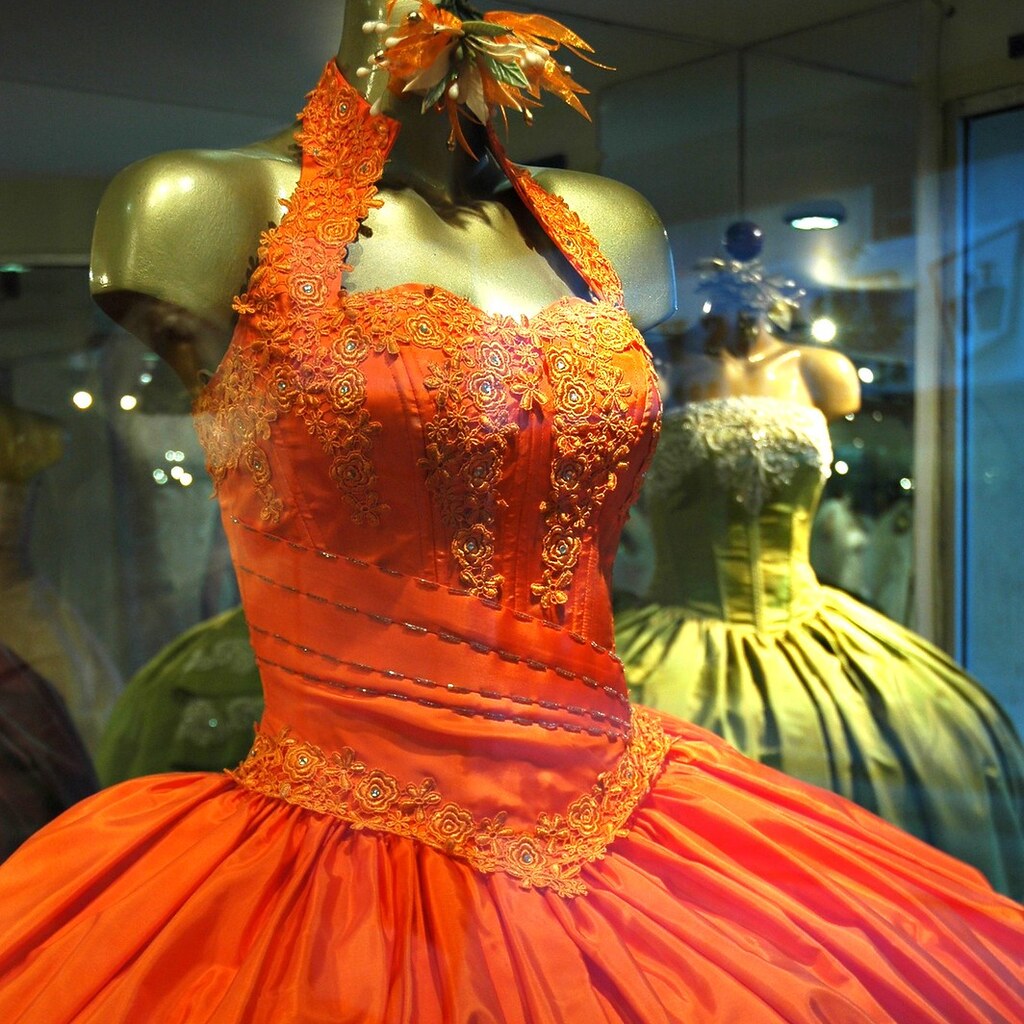
Something is original if it has never been done before. An idea is original if it has never been thought of before, and a painting is original if it is the first time that picture has been painted. If something has been made as a copy or modified from something else, the thing it has been copied from is the original.
The dress in the picture is original, because it is hand-made and there is no other dress like it.
The dress in the picture is original, because it is hand-made and there is no other dress like it.
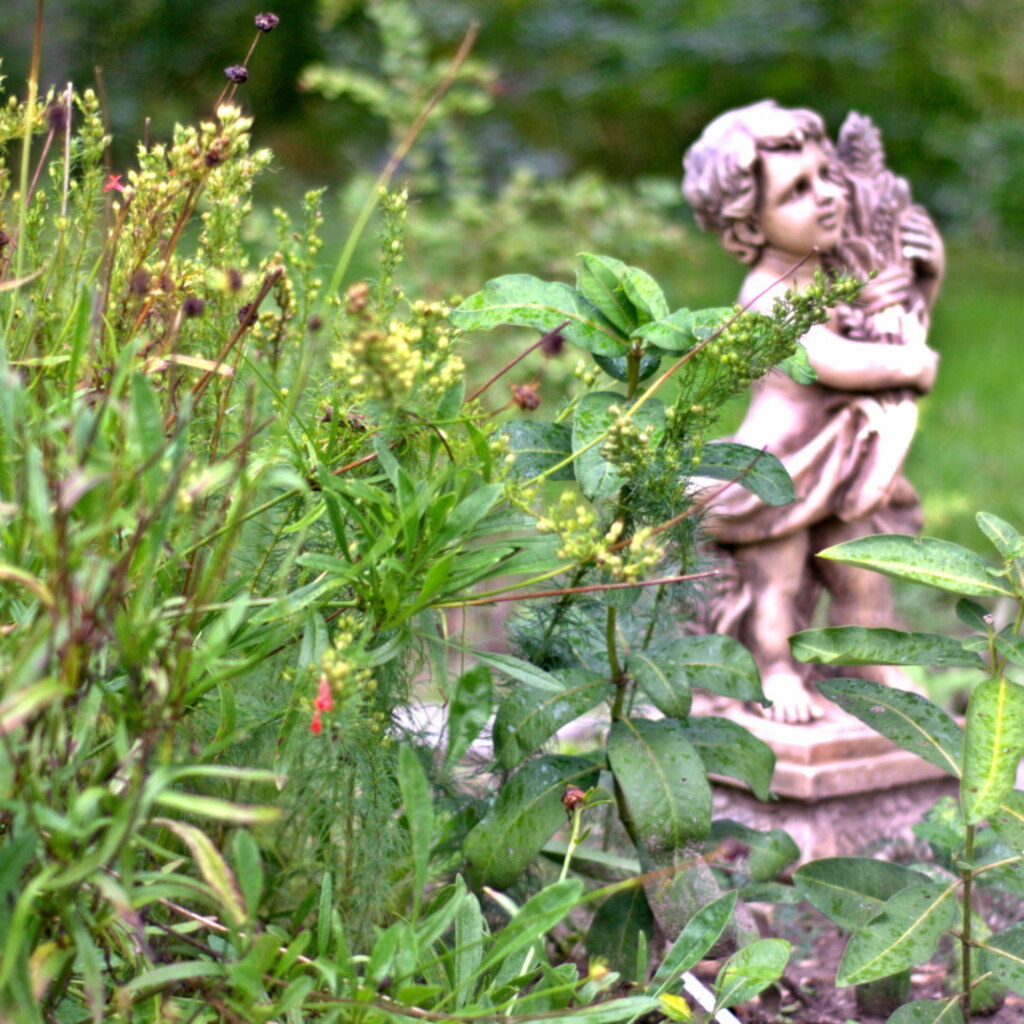
An ornament is something that is purely to look good, or make something else look good. Ornaments are hung on Christmas trees at Christmas time. Some cars have hood ornaments. The picture is of a stone garden ornament.
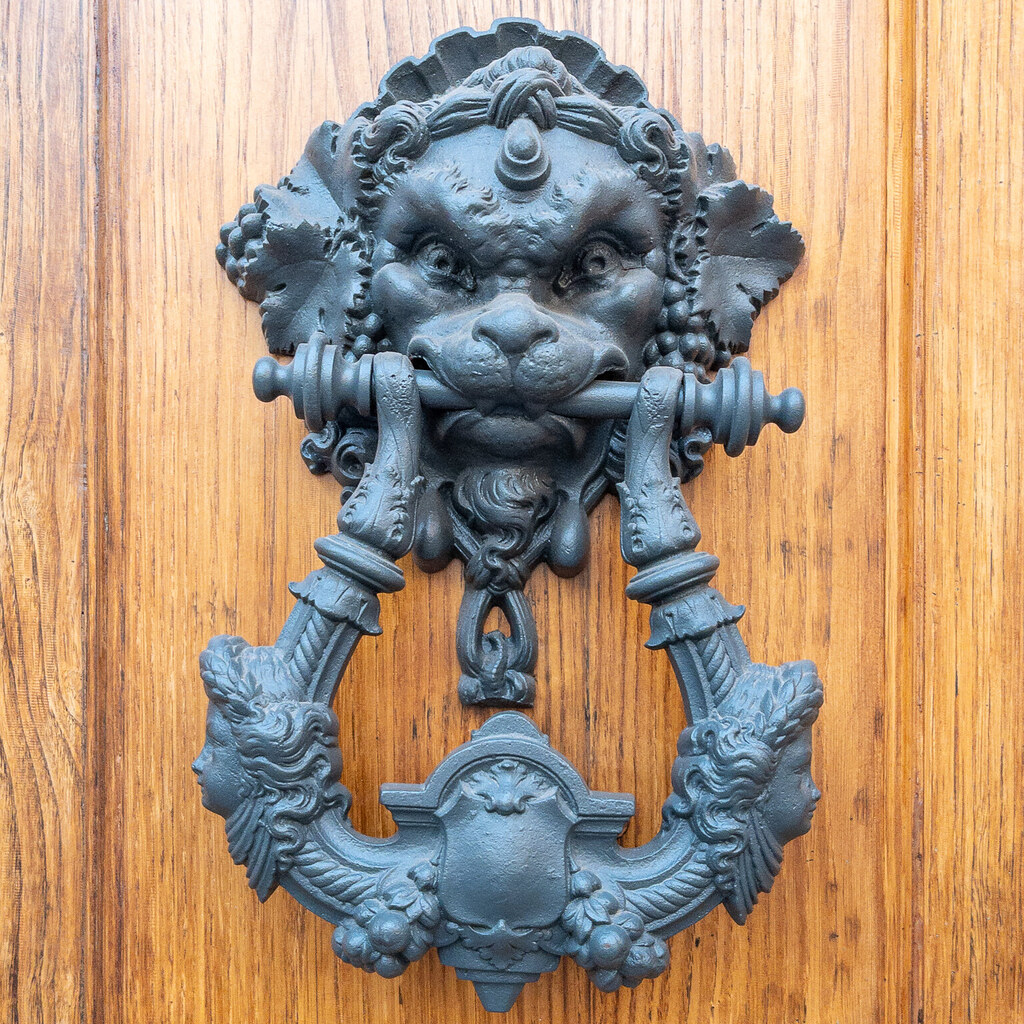
Something is ornate if it has a lot of elaborate ornamentation on it. The doorknocker in the picture is quite ornate.
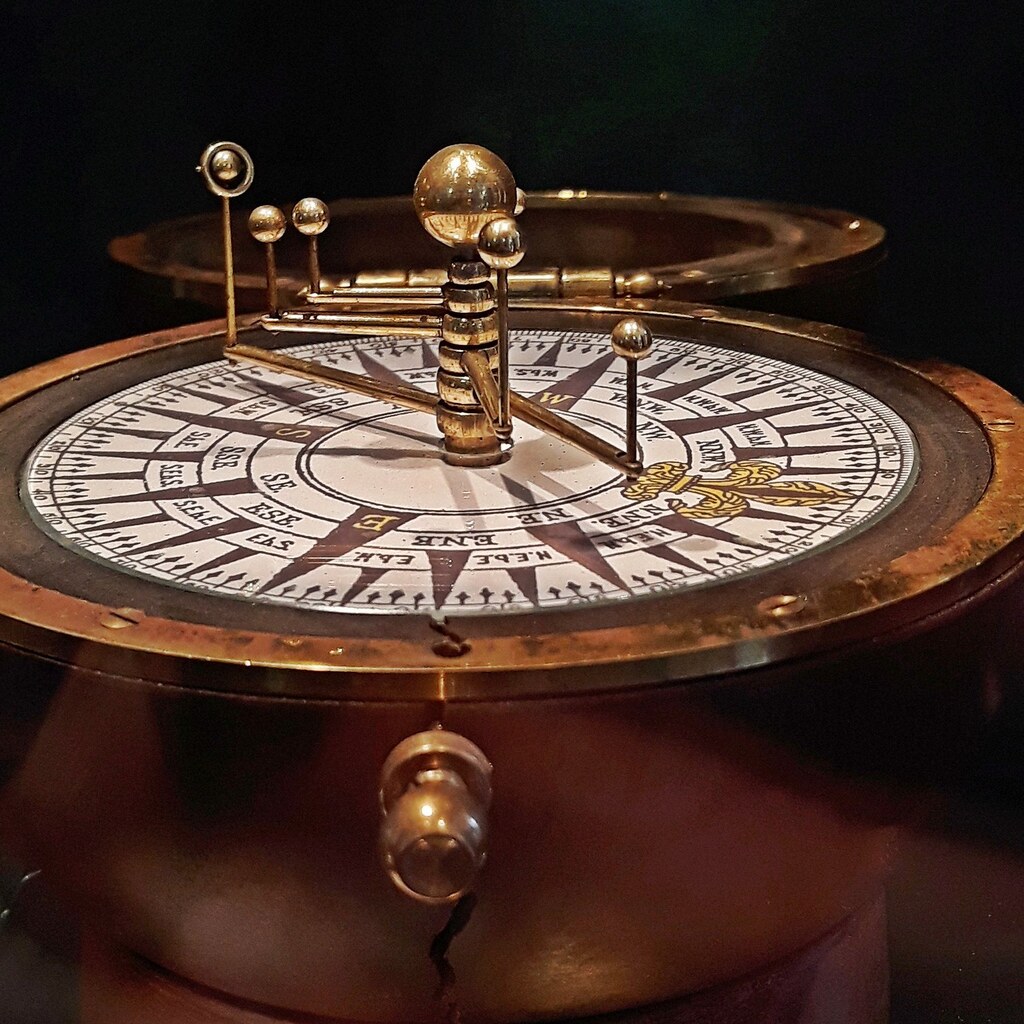
An orrery is a model that shows the movements of planets and moons around the Sun. It uses small model planets and timed moving parts to represent objects in space. Orreries are often found in museums, classrooms or science centers, where they help people learn about the solar system. They might be battery powered, clockwork or you turn a handle to move the parts.
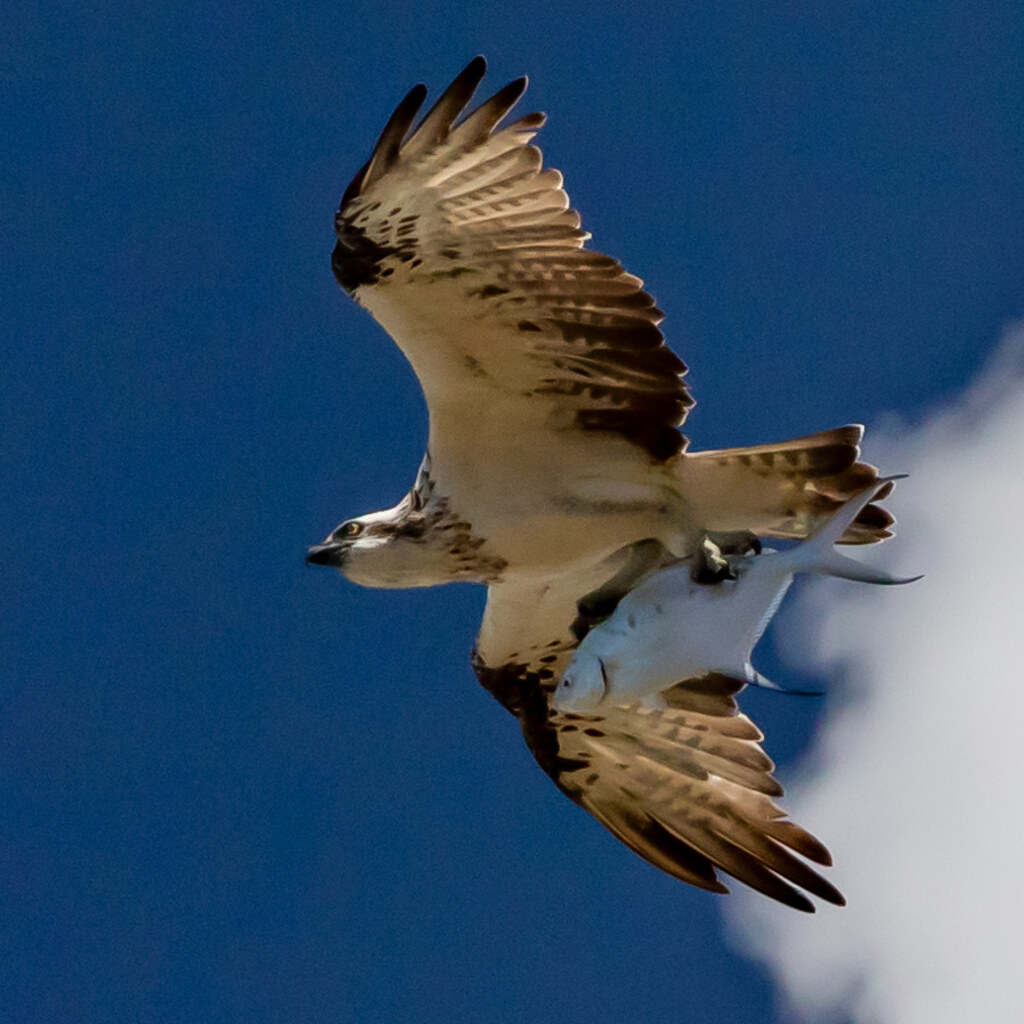
The osprey is a bird of prey that typically has brown wings and a pale chest. It lives near bodies of water, where it dives from the air to grab fish out of the water.
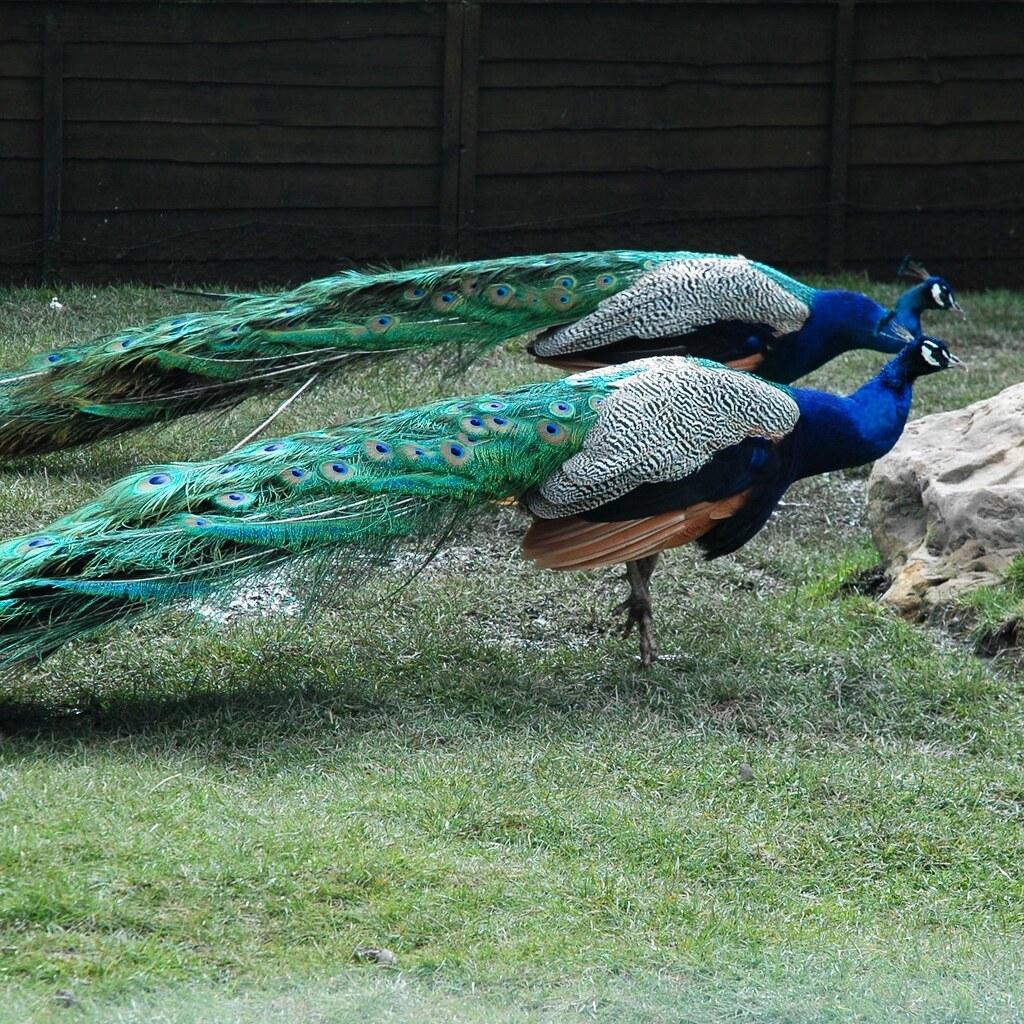
O is for Ostentation