

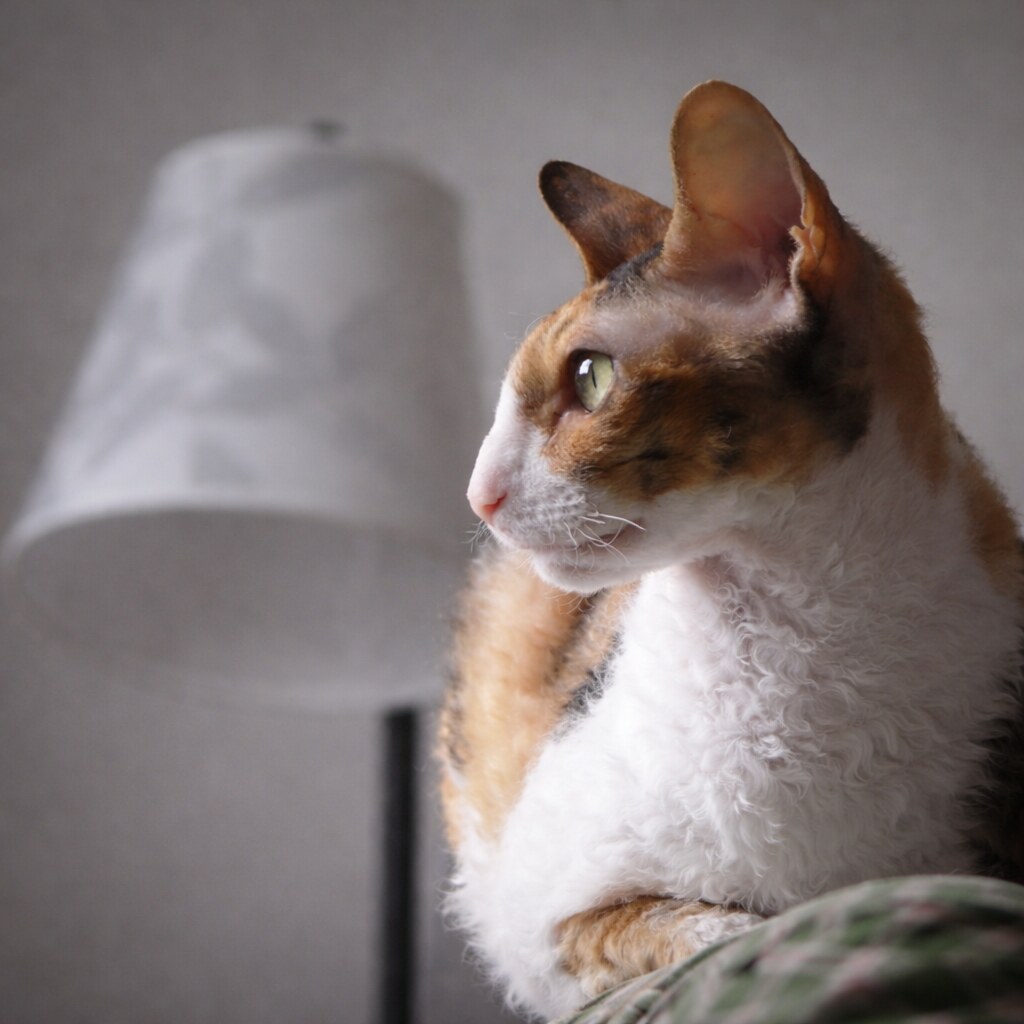
Cis forCornish Rex
Normal cats have three layers of hair. Cornish Rex cats only have the undercoat, which is very short, soft and silky. They also have curly hair.
Cornish Rex's are a slim, friendly cat suitable for shy children. Because of their thin coat they are best kept as an indoor cat.

Scientific name: puma concolor

Scientific name: bos primigenius

Scientific name: canis latrans
The coyote, or prairie wolf, is a type of dog found around North America, Canada and Mexico.
Coyotes normally hunt in pairs. They usually eat smaller animals, but if they hunt in a pack they can bring down something as large as a deer.

Scientific name: crustaceans of the infraorder brachyura

Cis forCrane (bird)
Scientific name: family: gruidae
Cranes are tall, graceful birds with long necks and long legs. They usually live near water, and build their nests on floating platforms. Cranes can live for several decades.
There are many different kinds of crane, and they are found all over the world except Antarctica. Cranes are often the subject of origami sculptures.

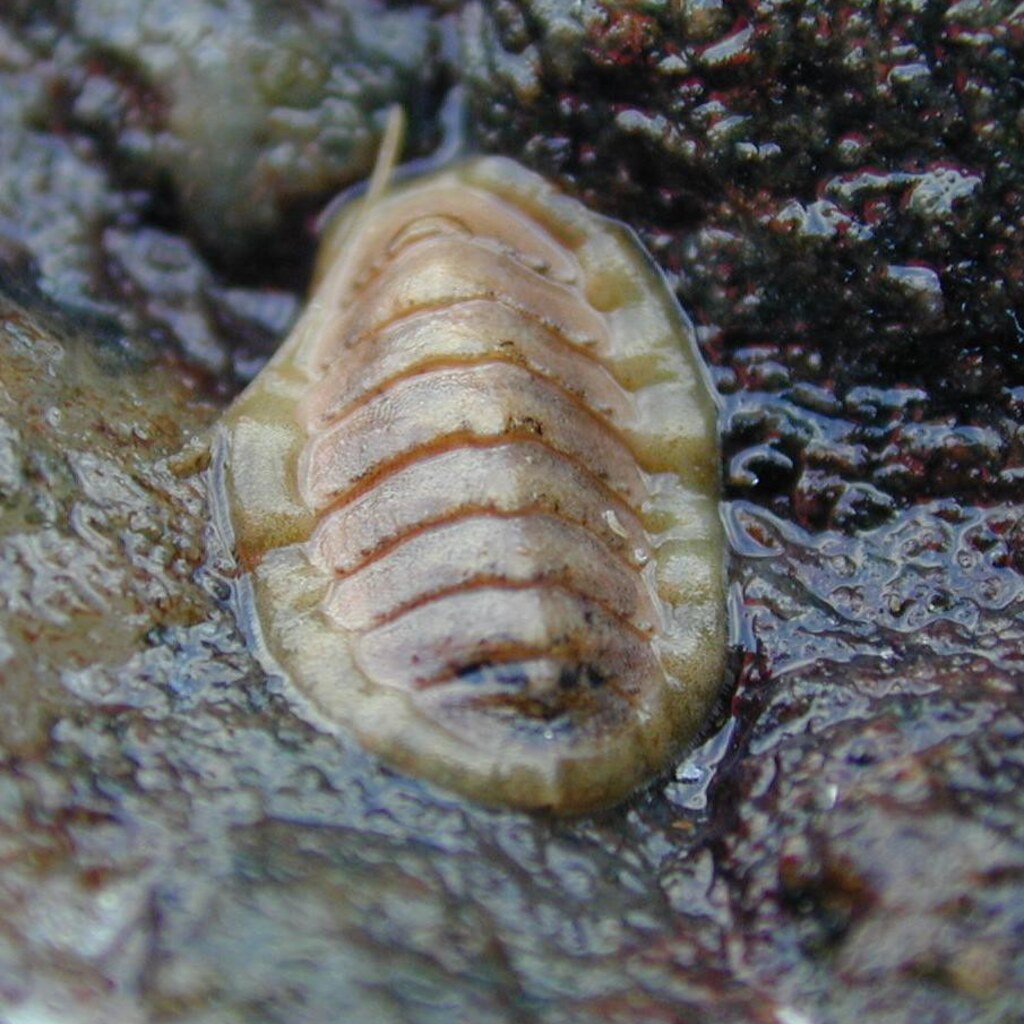
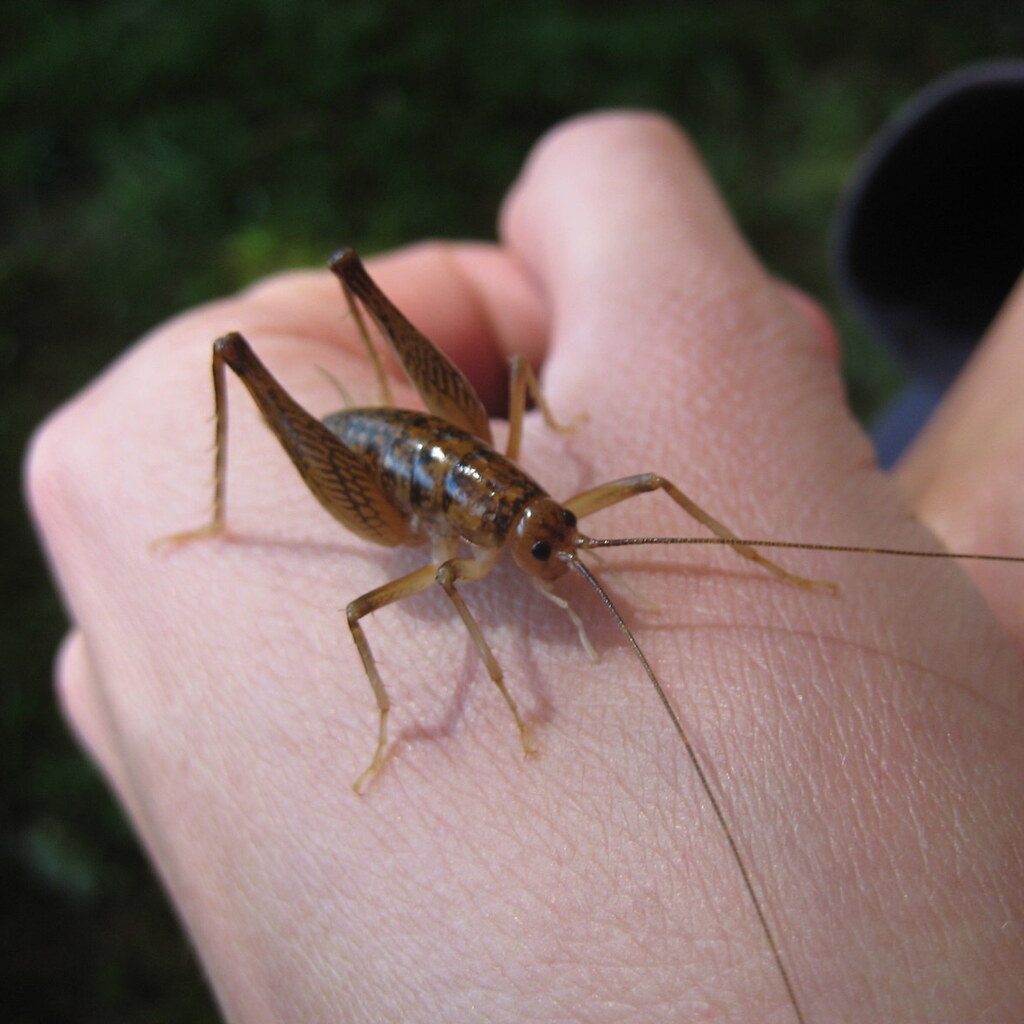
Scientific name: family: gryllidae
Crickets are a type of insect distantly related to grasshoppers. Crickets make a distinctive "chirping" noise. Crickets make this noise by rubbing their hind legs together.
There are many different varieties of cricket, and they all have a slightly different "chirp".
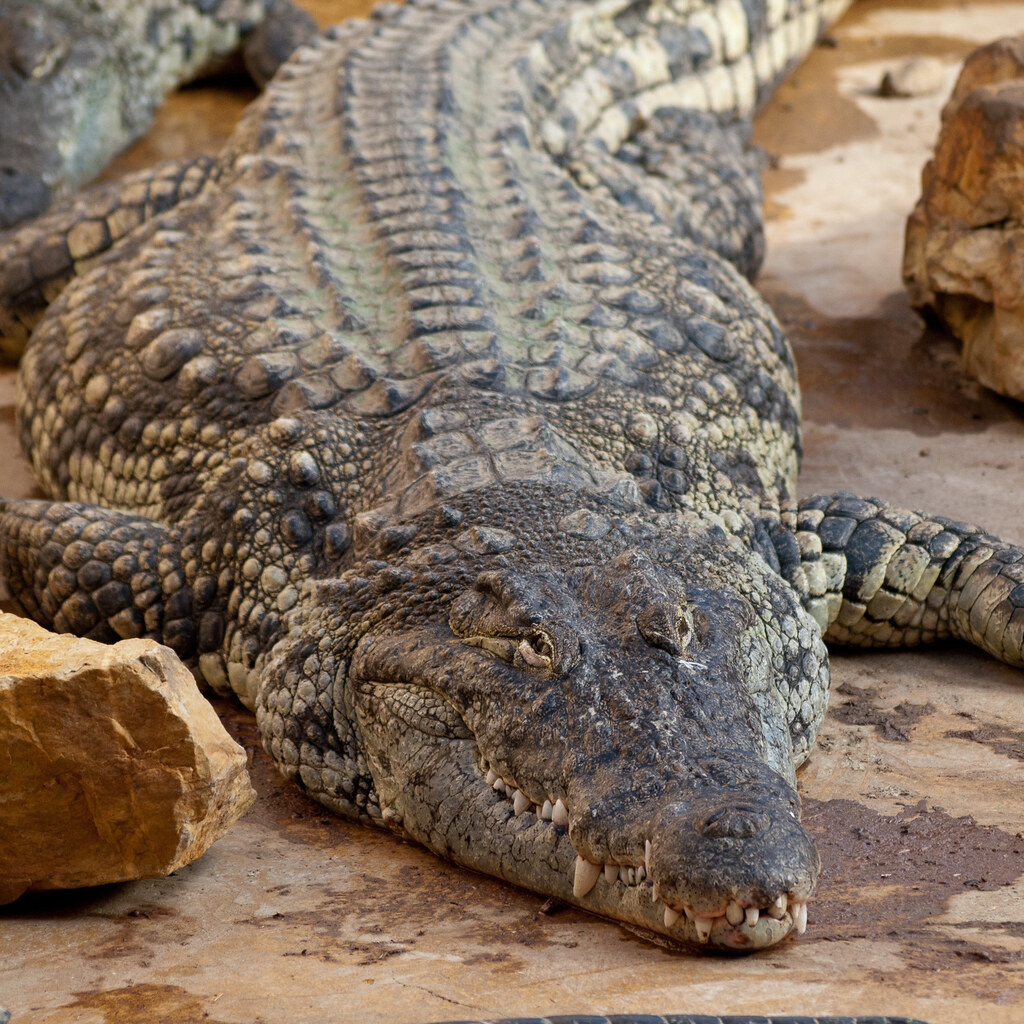
Scientific name: family: crocodylidae
Crocodiles are a large reptile that can range in size up to eight metres long. They are found all over the world, and can live in both fresh water and salt water. They are related to alligators.