Food starting with C

Food that starts with C

Food and drinks, from complete dishes to flavorings and beyond.
Scientific name: coriandrum sativum
Coriander, also called Chinese Parsley, is a soft, fast-growing annual herb - it lives for a year or less. It is very easy to grow from its big, round seeds. It is best planted in early Spring, and again in Autumn in warmer areas. In warm weather it will go to seed very fast so it is best to plant it in a cool, sheltered spot. Coriander leaves are is used fresh in a lot of Asian - particularly Thai, Middle Eastern and African cooking. It is also used in some South American dishes. Both the fresh leaves and the dried seed, powdered or whole, are used in cooking. Ground coriander seed is one of the main ingredients in curry powders and mixed spice. Coriander is also used to flavour cakes, cooked fruits and cookies and goes very well with chicken, fish and vegetable dishes. Coriander is though to help digestion and is useful in treating colic.

Cis forCorn

Scientific name: zea mays
Corn, or maize, is a type of grass. It grows taller than an adult man. Its seeds grow in a cluster, known as an ear or cob of corn. Corn can be cooked and eaten by itself, or ground into flour.
Cottage cheese is a very soft cheese that looks similar to thick, lumpy yoghurt.
Cotton candy, also called candy floss or fairy floss, is spun sugar. It is usually dyed pink but is naturally white. Cotton candy is made by spinning hot, melted sugar into fine threads, and then gathering the threads onto a stick. It has the texture of soft wool or cotton when it is fresh, but gets rougher as it absorbs moisture from the air.
Scientific name: cucurbita pepo
The courgette (or zucchini) is technically a fruit but most people call it a vegetable and it is usually in cookbooks as a vegetable. You can get courgettes in two colours - dark green and bright yellow. The courgette is a member of the squash family, and is very closely related to squash and pumpkins, so close that the plants can cross-pollinate. Courgettes need to be picked young or they get hard and woody and are not good to eat. They have a soft skin so they don't need to be peeled before cooking. They can be cooked in a variety of different ways; steamed, boiled, grilled, stuffed and baked, barbecued, fried, or in stews and other dishes. The flowers are sometimes eaten stuffed, or stuffed, dipped in batter and deep fried.

Cis forCouscous

Couscous is made from taking coarsely milled grain, dampening it, rubbing it into tiny granules and lightly flouring the granules so they don't stick together. The couscous is then dried and stored. Couscous can be made from most grains, but is usually made from wheat, sorghum or quinoa. It is traditionally cooked by slowly steaming it over a cooking stew until it is light and fluffy. Modern couscous has been pre-steamed and then dried, and can be prepared by covering it in boiling water or a stock. Pre-steamed couscous can be cooked in about 5 minutes.

Cis forCrackers

Crackers are small, hard biscuits. Crackers are generally not sweet, and are often sprinkled with salt. Crackers are most often eaten with cheese on top, or used to eat dip with.
Scientific name: vaccinium oxycoccos
Cranberries are the fruit of a low growing shrub that grows in bogs and wetlands in North America. The berries are deep red. Most cranberries are turned into juice or sauce but some are sold whole.

Cis forCream

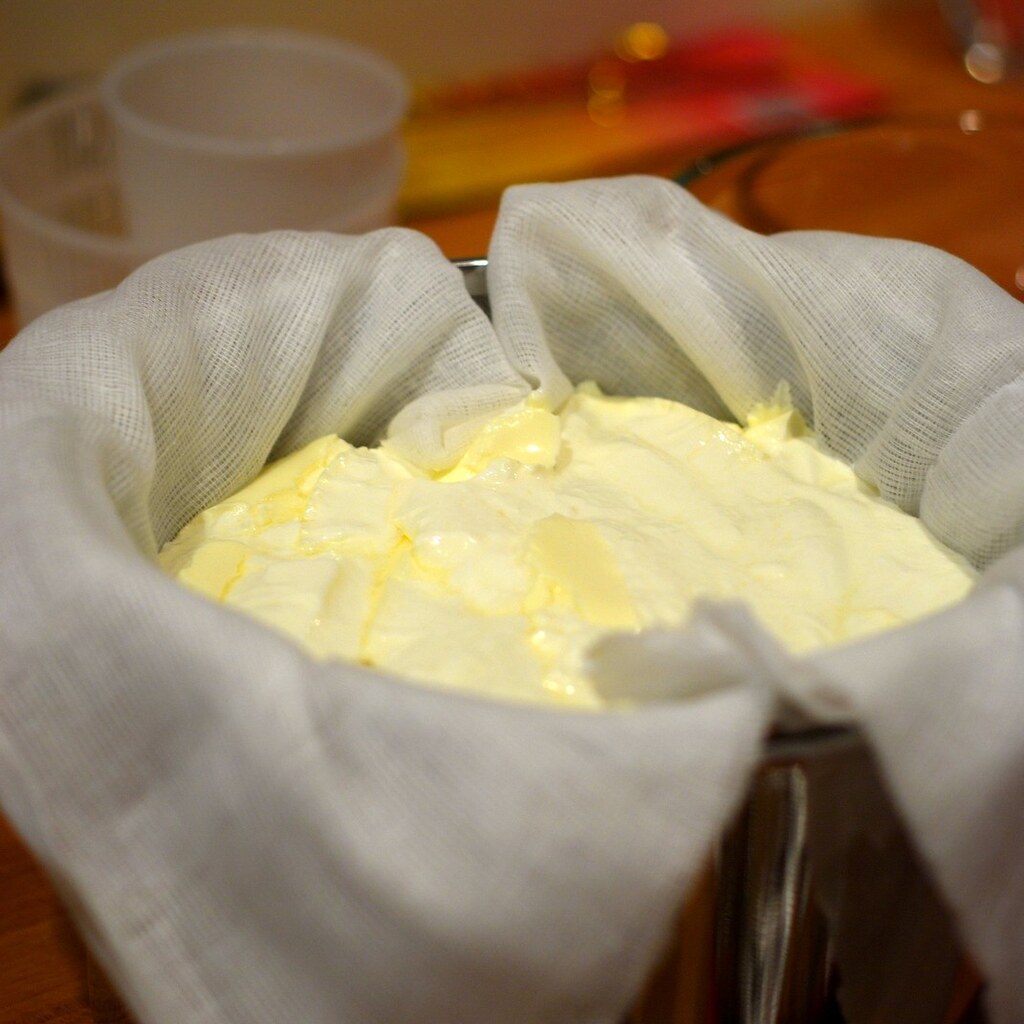
Cream is a fatty part of milk that floats to the top of fresh milk. Cream is thick and white or slightly yellow and is delicious on fruit, hot drinks, pancakes and many desserts. Cream is also the name for a yellowish-white color.

Cis forCrepe

A crêpe is a very thin pancake. Crêpes can be served with sweet or savory fillings, as a main meal, a dessert or a snack. Crêpes are originally from France.