


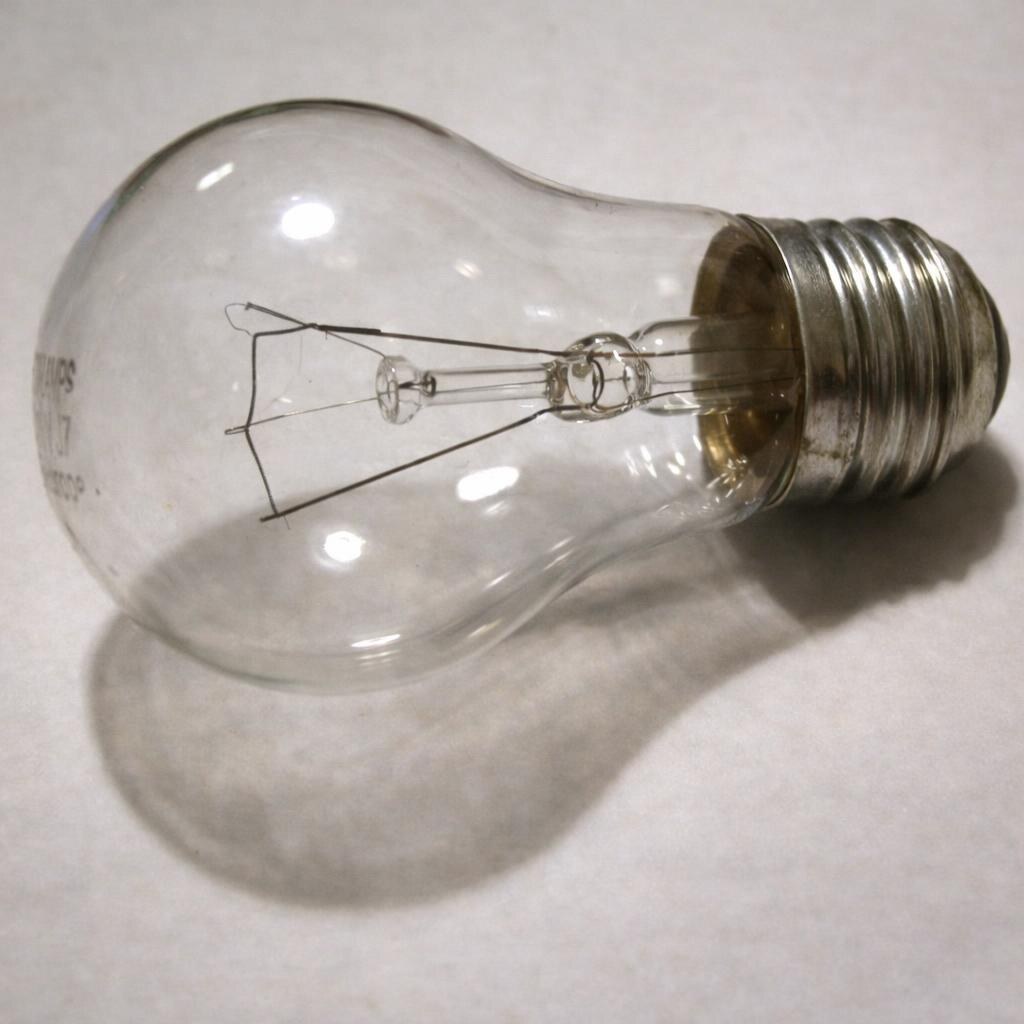
Lis forLight bulb
A light bulb is a device that converts electricity into light, so you can see when it is dark. The picture is of an incandescent light bulb, which works by running electricity through a filament, which glows white hot. Other kinds of light bulb work in different ways, but they all convert electricity to light.
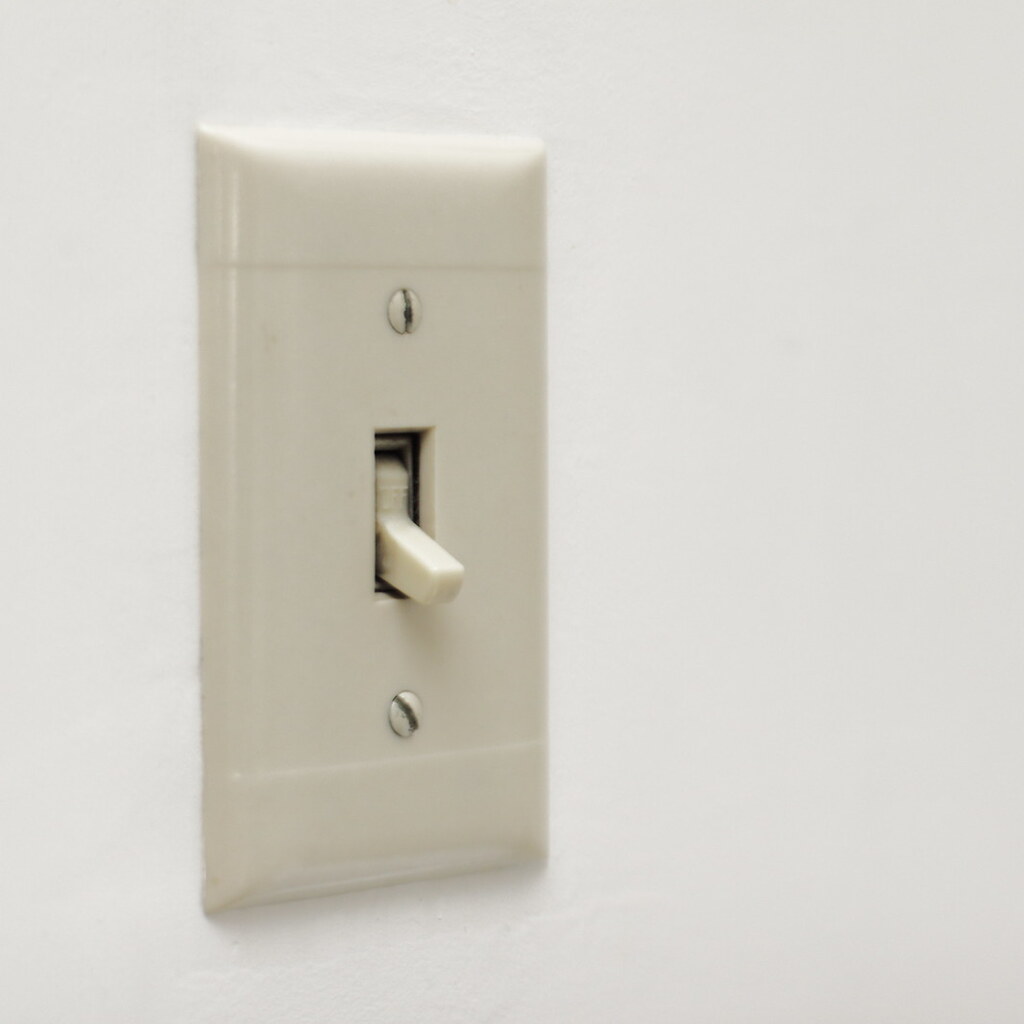
Lis forLight switch
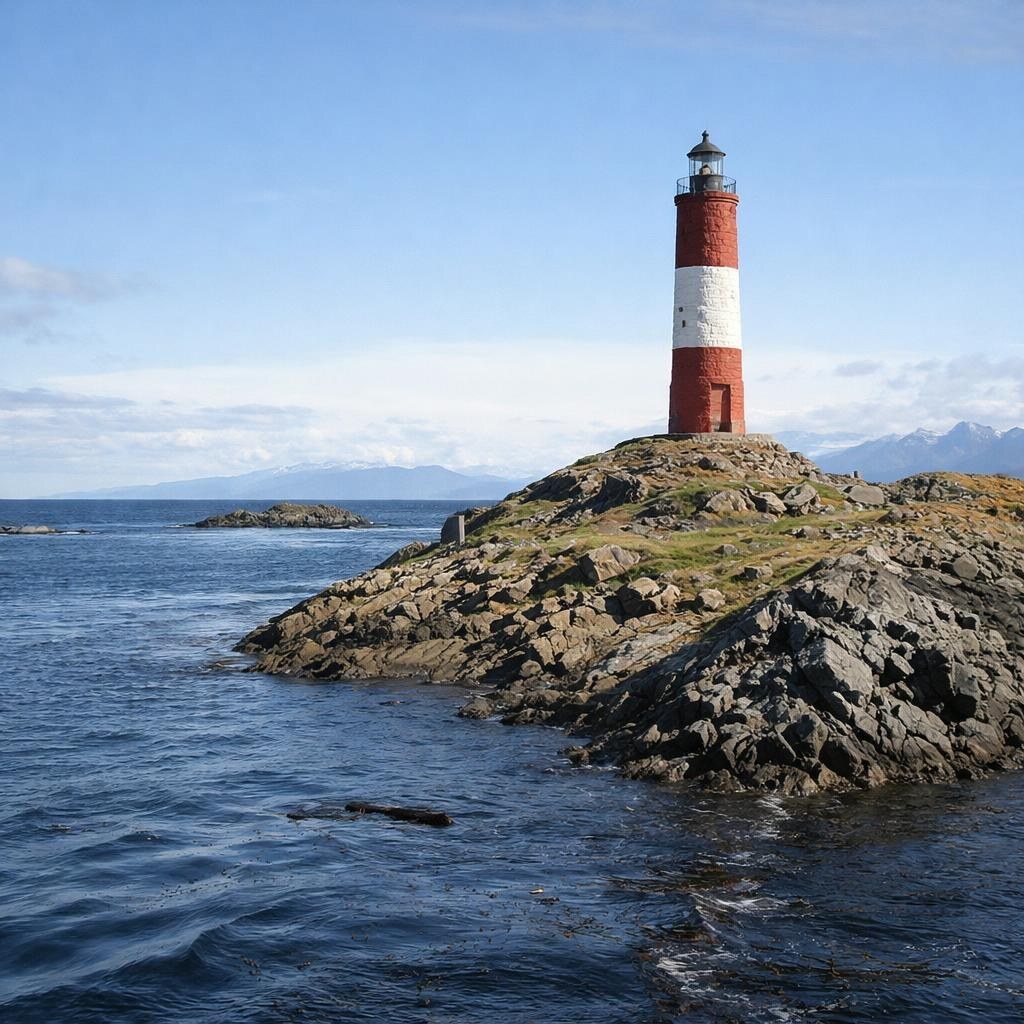
Lis forLighthouse
A lighthouse is a tower that is built on a dangerous, rocky coastline. A lighthouse has a bright light in the top of it so ships can see it from a long way away. Lighthouses were built so that ships would know not to go too close to a rocky shore, so they didn't crash. Lighthouses were also used to mark the entrance to a harbour so ships could find where they were going at night.
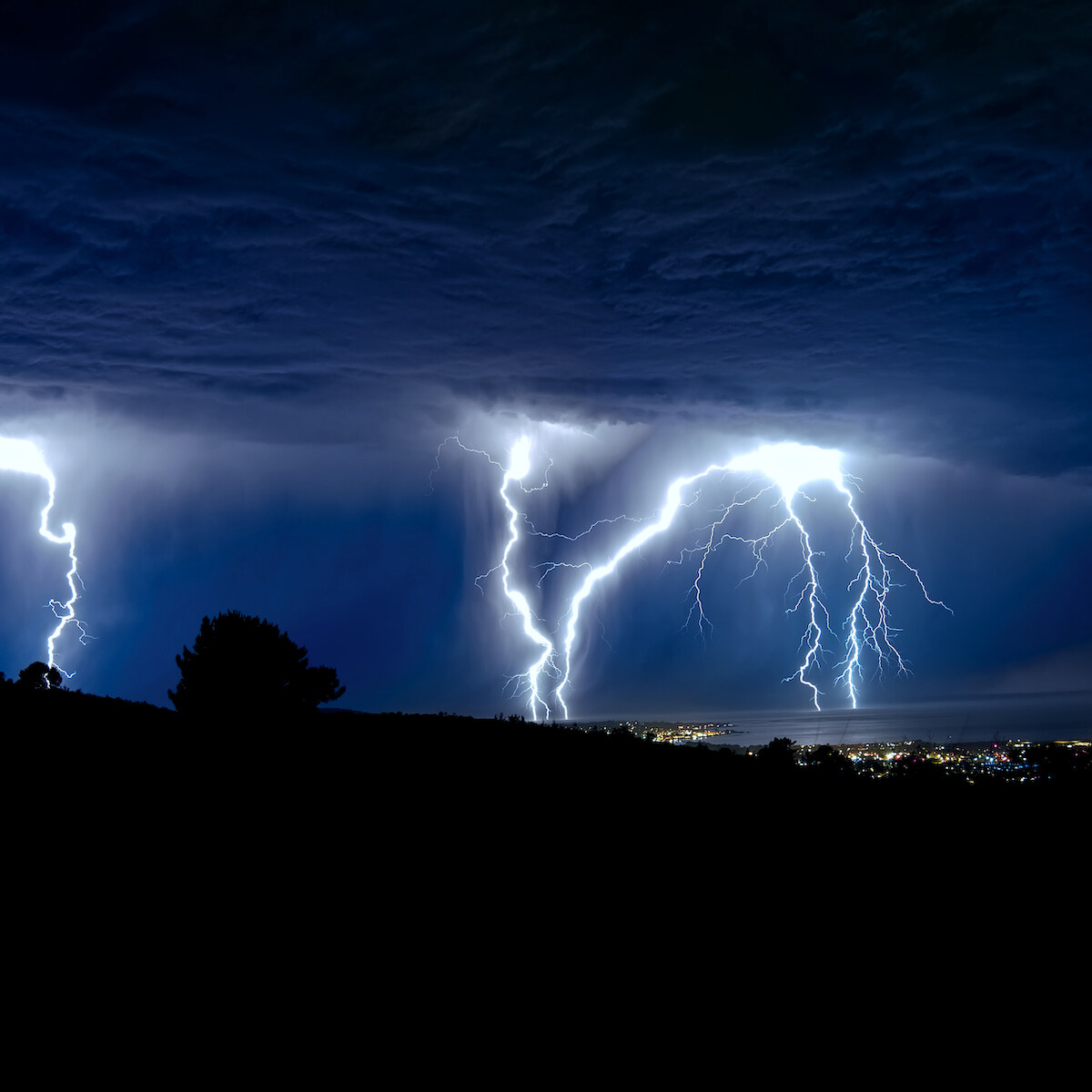
Lightning is a discharge of static electricity during a thunderstorm. Thunder is actually the sound of the lightning, but if you are a long way away from the lightning it may take a while for the thunderclap to reach you.
Lightning is caused by a similar process to being 'zapped' when you touch a car after a drive, or if you scuff your feet along carpet and then touch someone. Lightning is on a much larger scale though, and being hit by lightning can kill you.

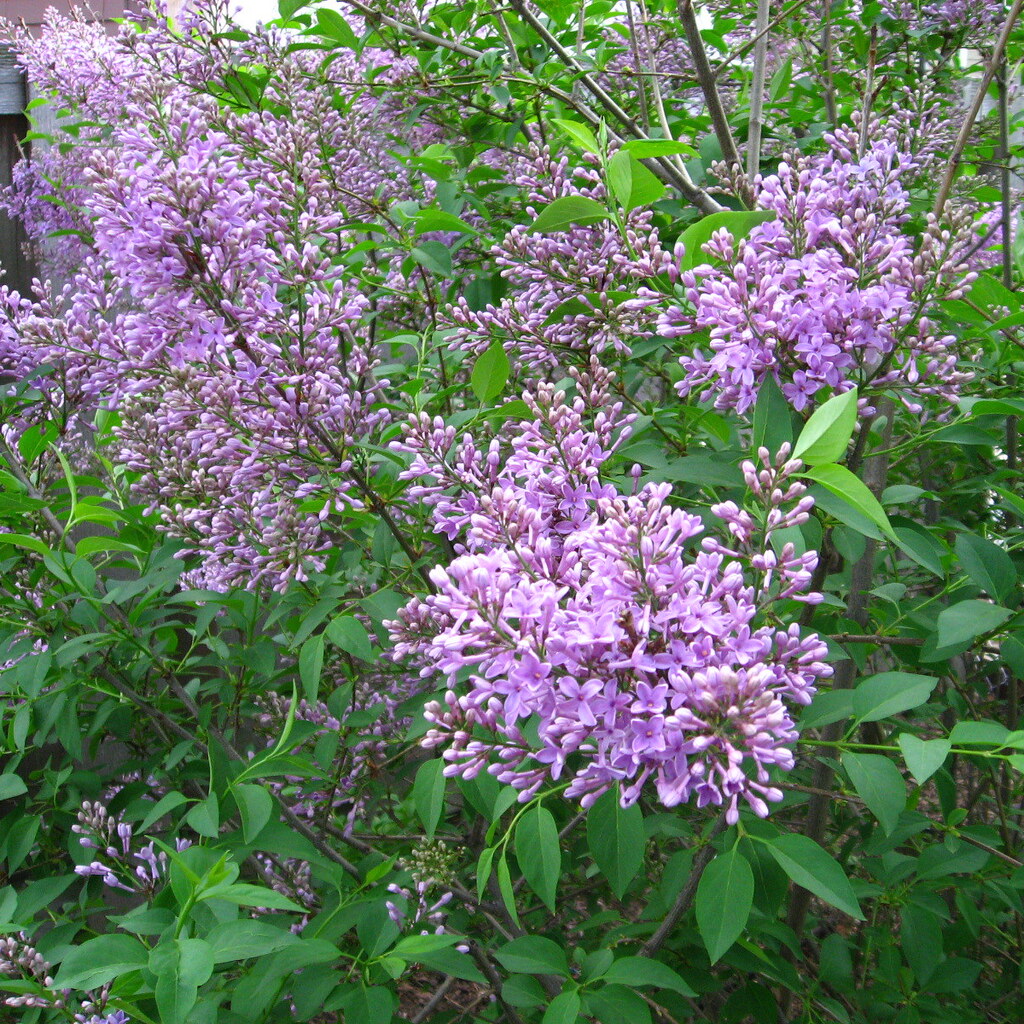
Scientific name: genus: syringa
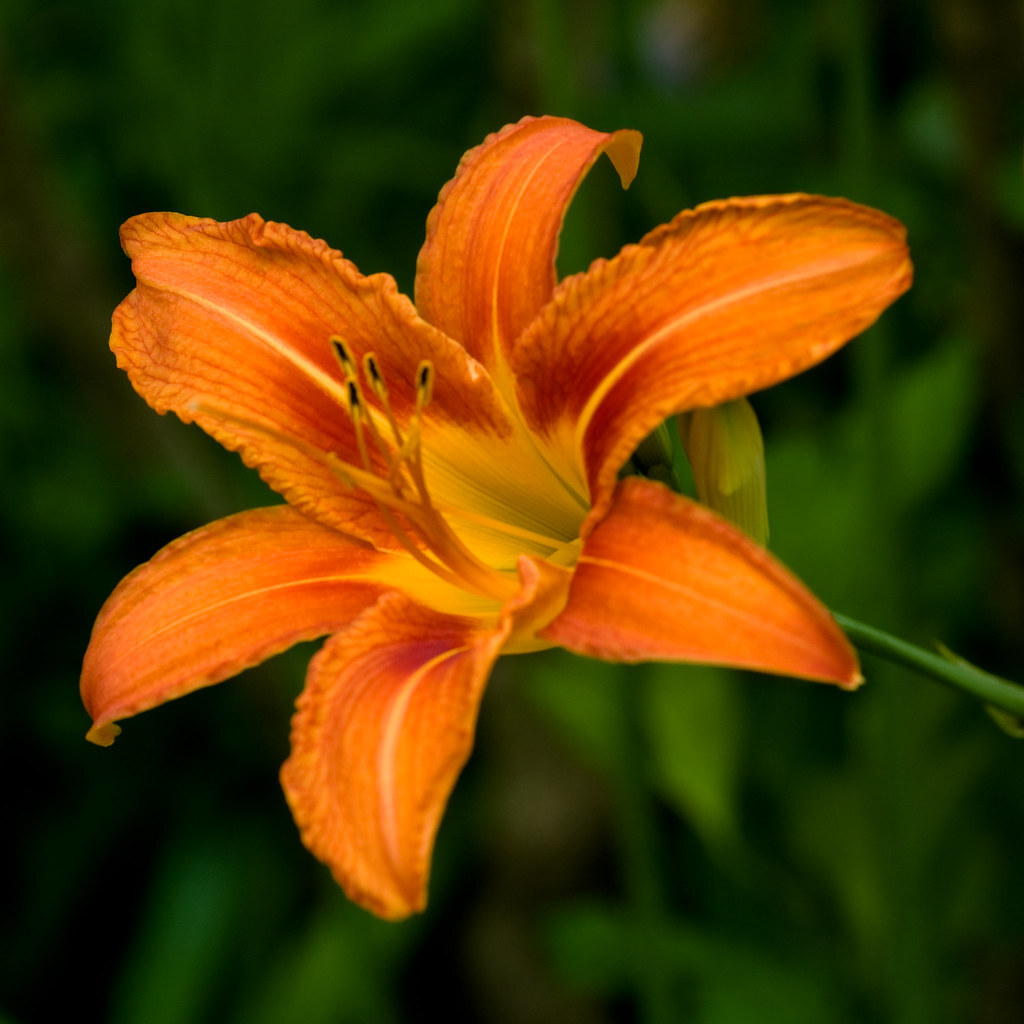
Scientific name: genus: lilium

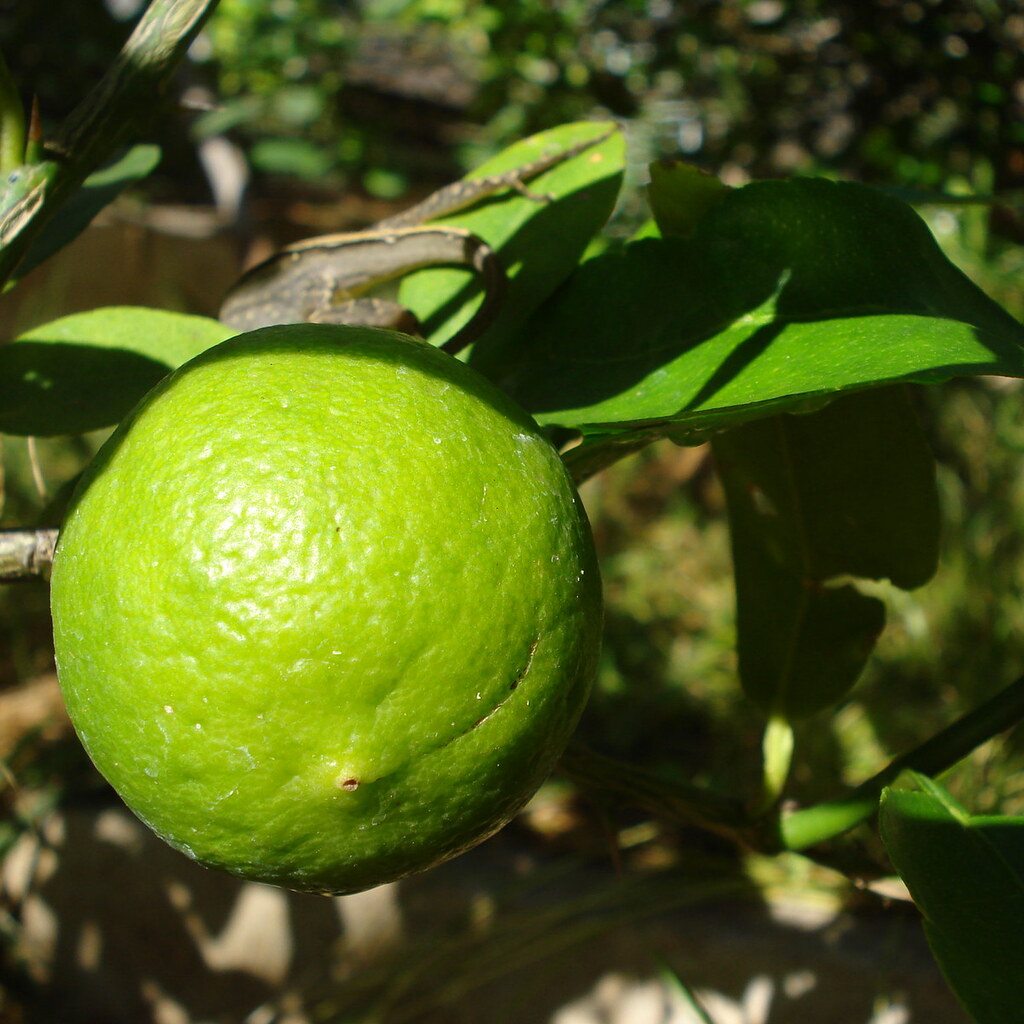
Scientific name: citrus latifolia
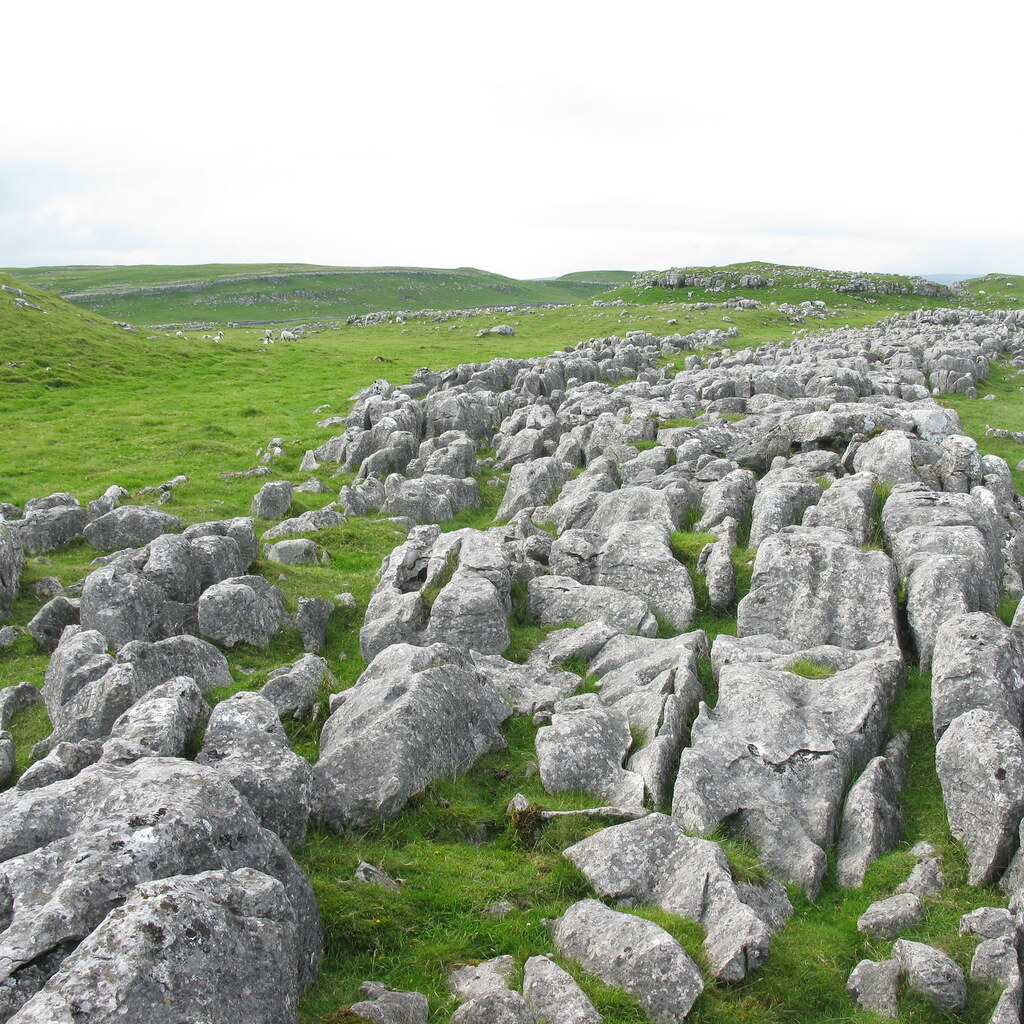
Limestone is a rock made up of calcium carbonate. It is formed by sediments at the bottom of the sea compressing over time into rock. The calcium carbonate in limestone comes from thousands and thousands of shells of sea creatures.
Limestone is an ingredient of mortar, cement and toothpaste. The stone itself can be carved into statues or cut into blocks to make buildings out of.