


Something is wild if people haven't changed it to suit their own needs. Wild animals and plants live or grow anywhere they are able, and don't rely on people to feed them and look after them. The opposite of wild is domesticated. Wild versions of household flowers, fruits and vegetables generally have much smaller fruits or flowers than their domestic varieties.
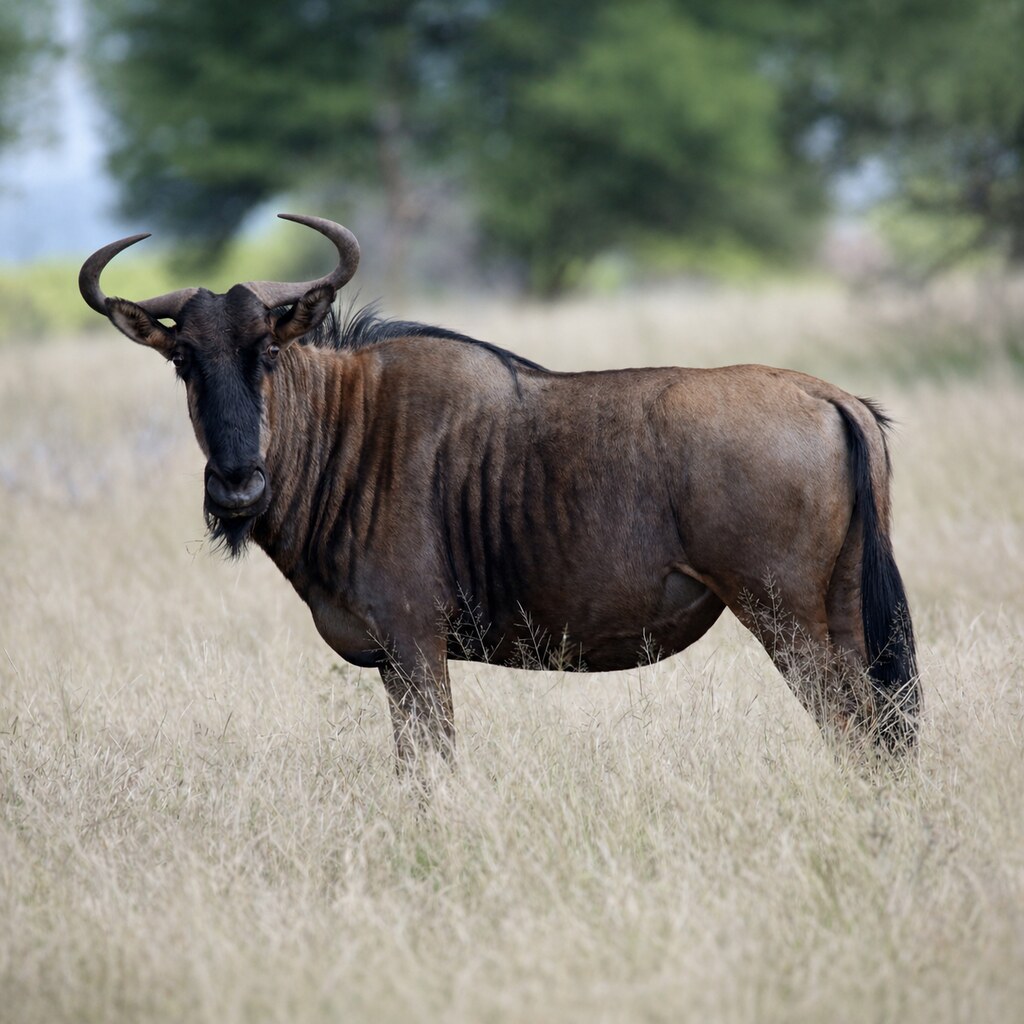
Wis forWildebeest
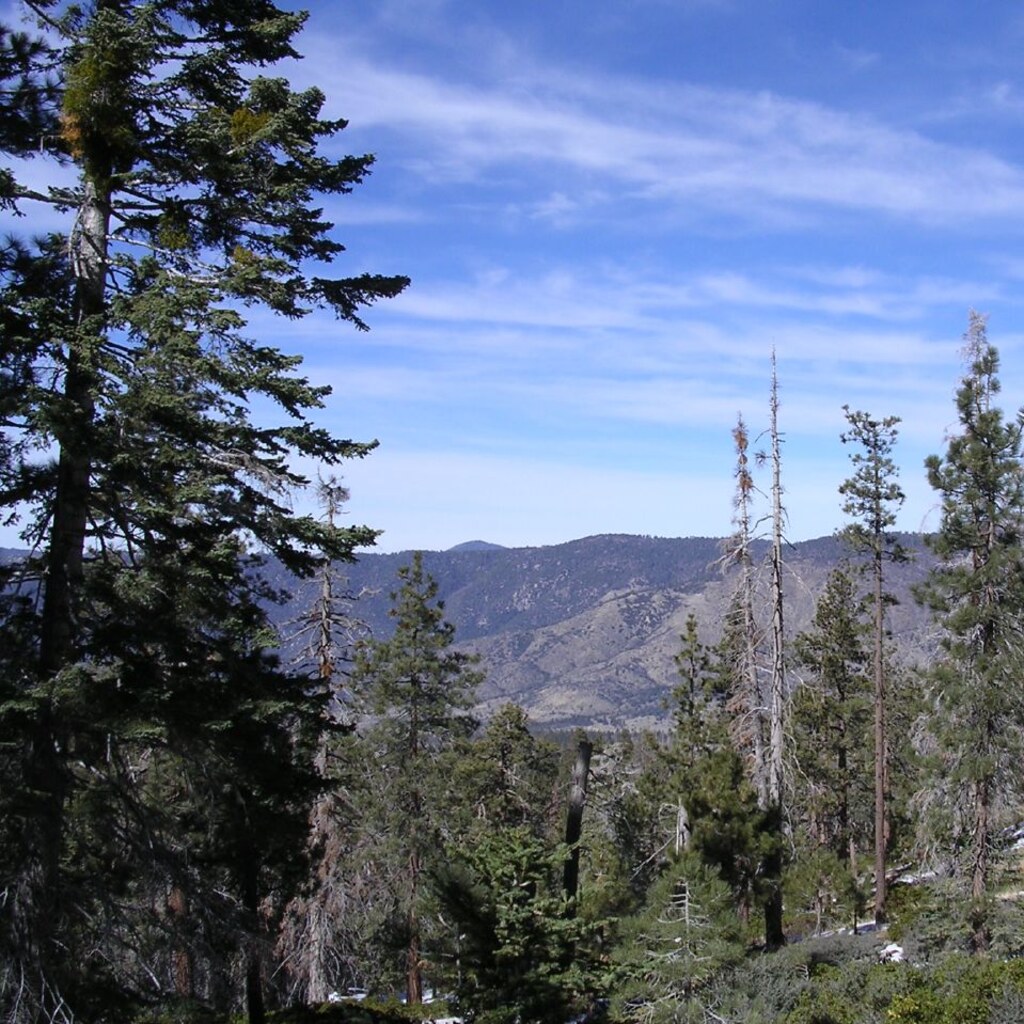
Wis forWilderness
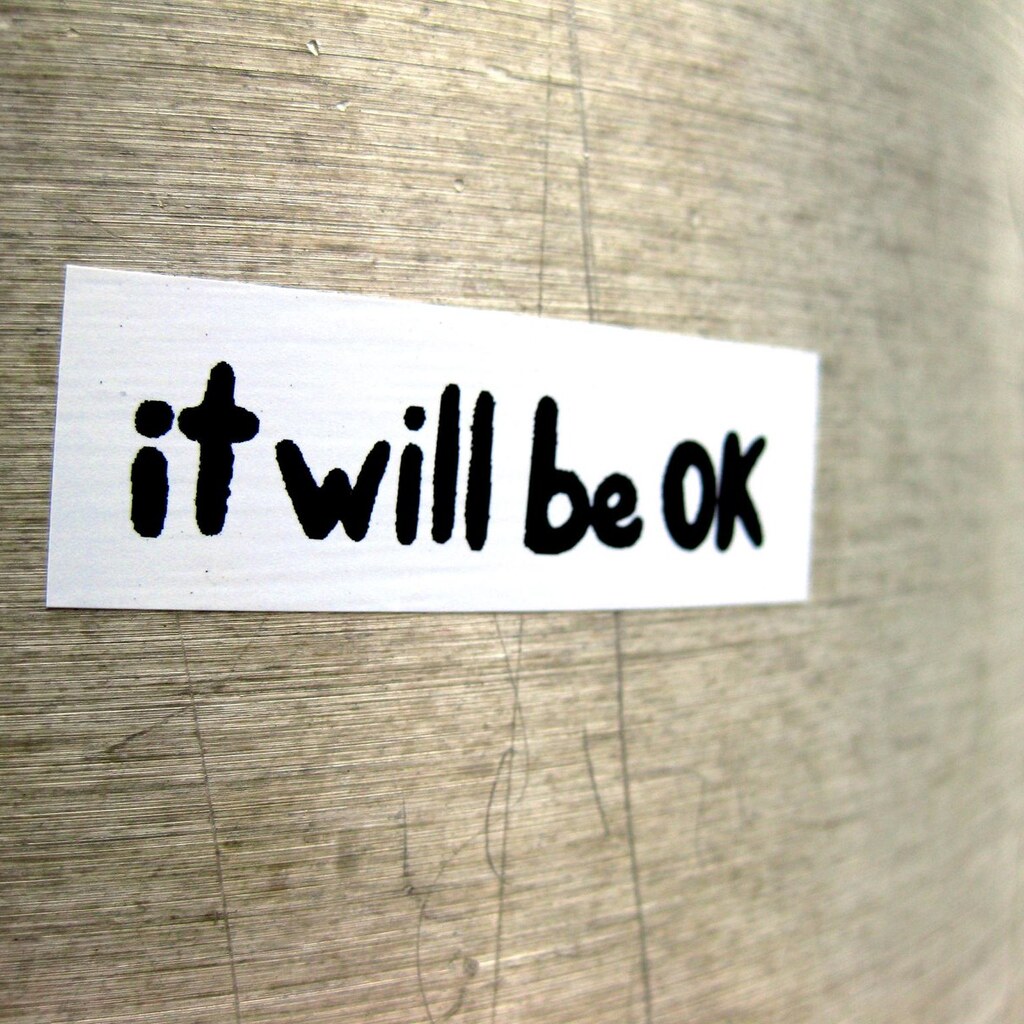
Wis forWill (Verbs)
You use the word will when you are talking about something that should happen or is about to happen. Using will often implies some force, especially if you are giving an order. Some examples are:
"You will clean your room"
"I will see you tomorrow"
"You will stop doing that"
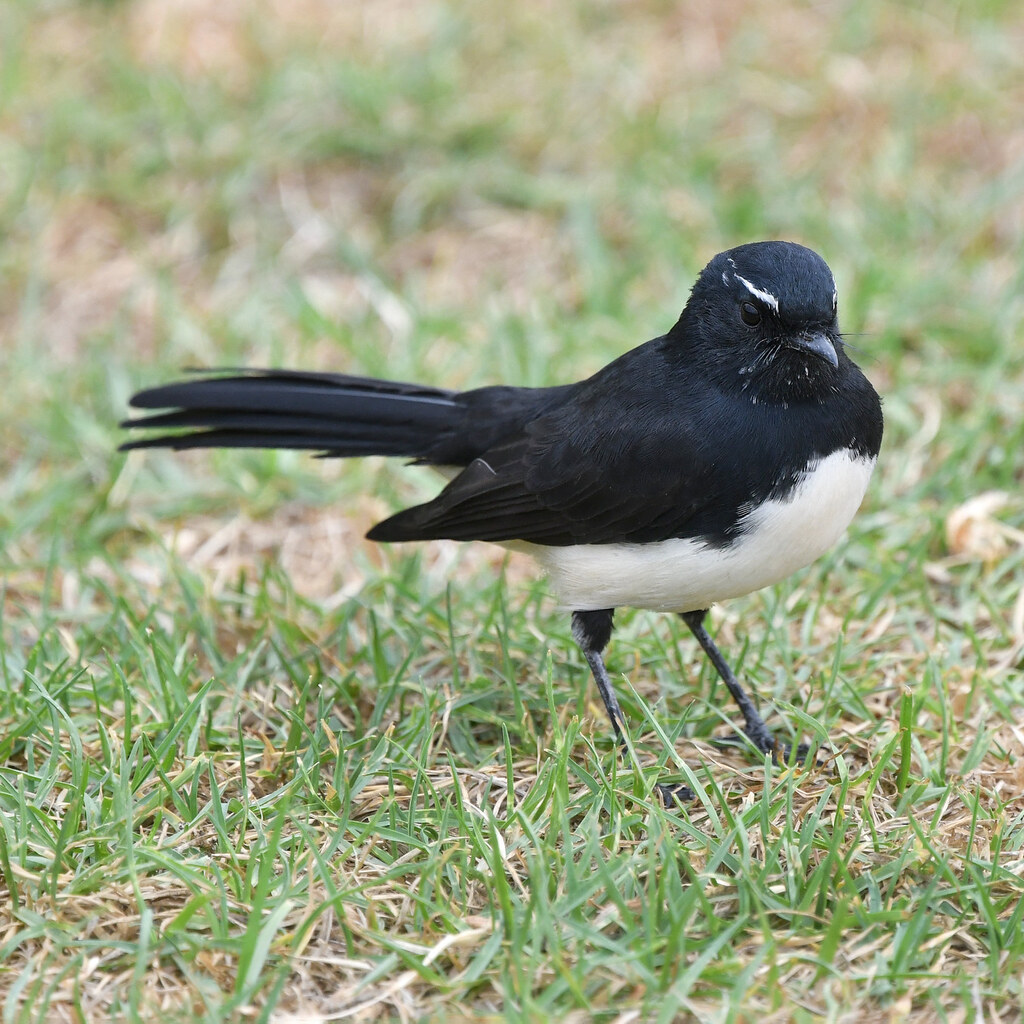
Wis forWillie Wagtail
Scientific name: rhipidura leucophrys
The willie wagtail, or willy wagtail, is a small, black and white songbird found in Australia and Indonesia. They are called wagtails because of their habit of waggin their tail backwards and forwards as they hop around. They eat insects, and are a common sight in backyards in Australia. They are aggressive and can be seen chasing larger birds and even cats out of their territory.
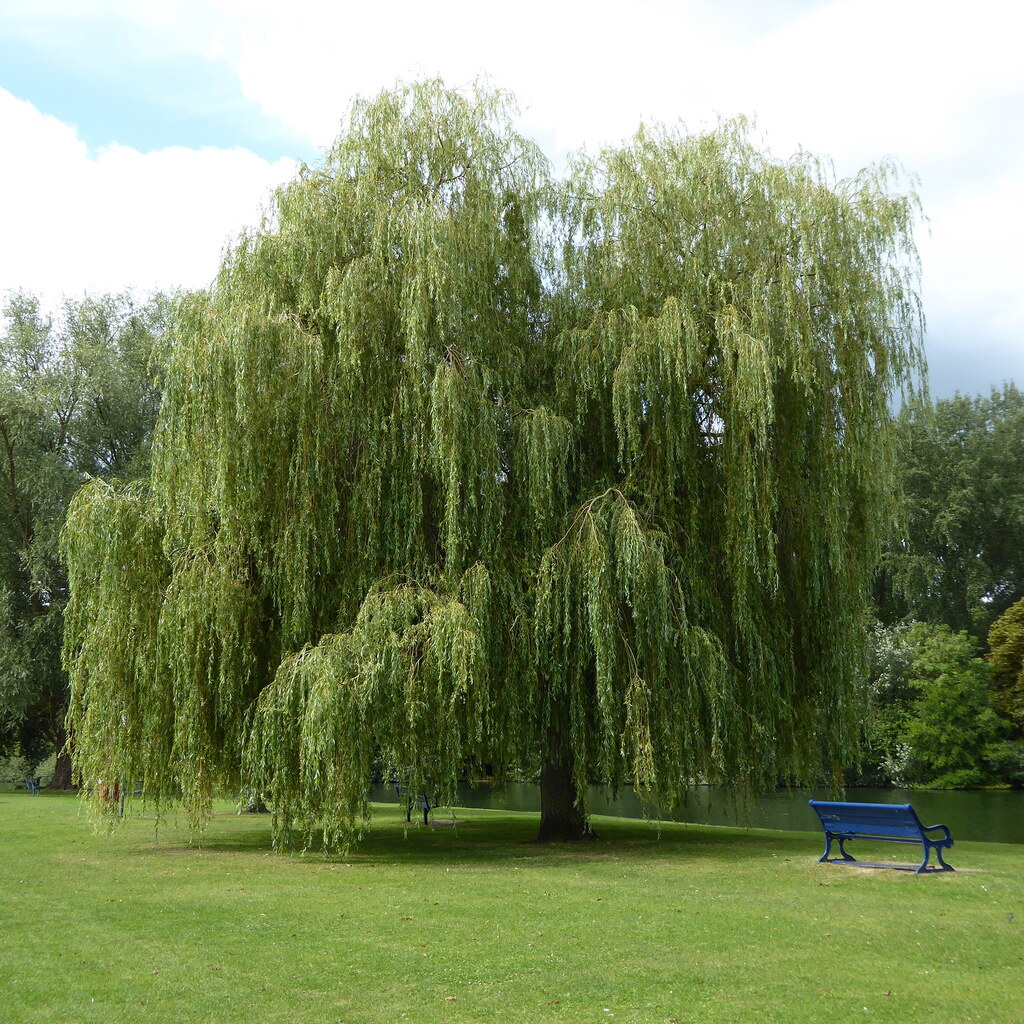
Scientific name: salix alba
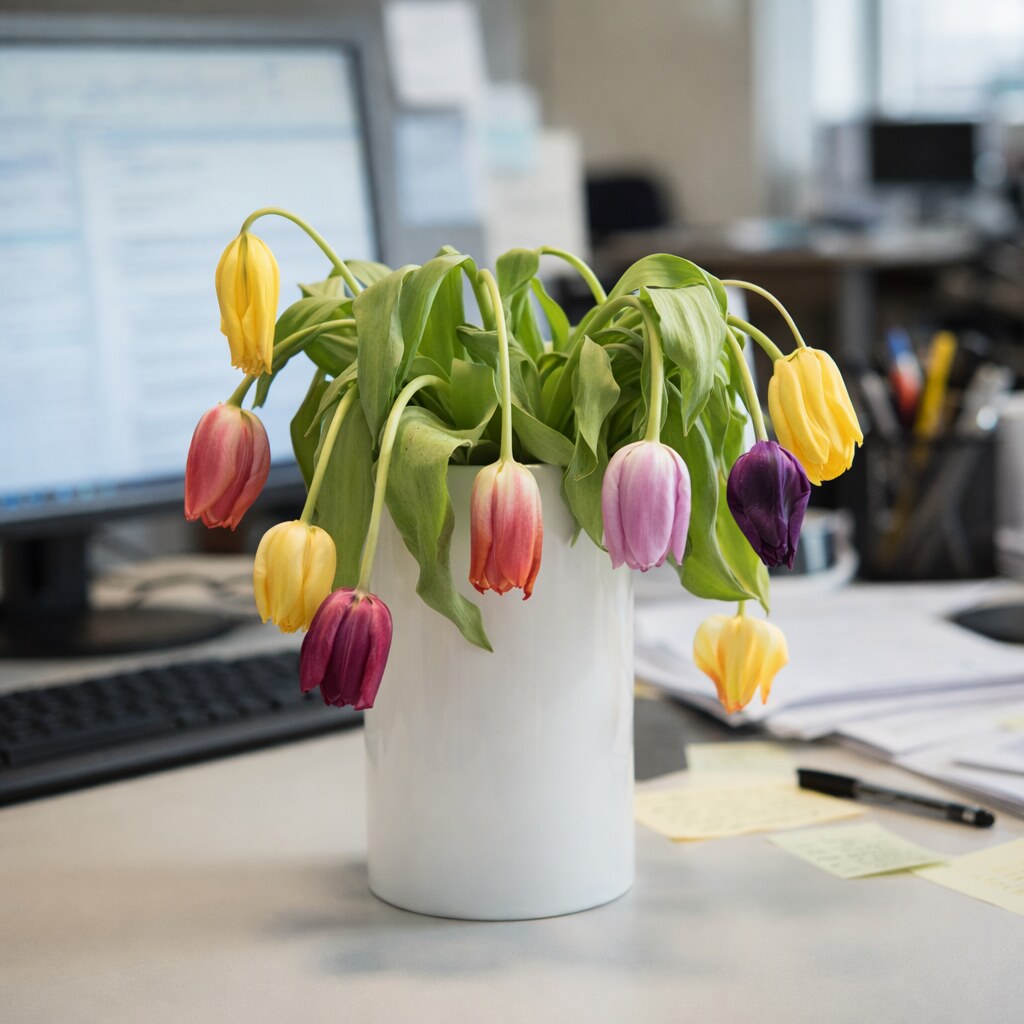
Wilting is the process by which something becomes wilted.
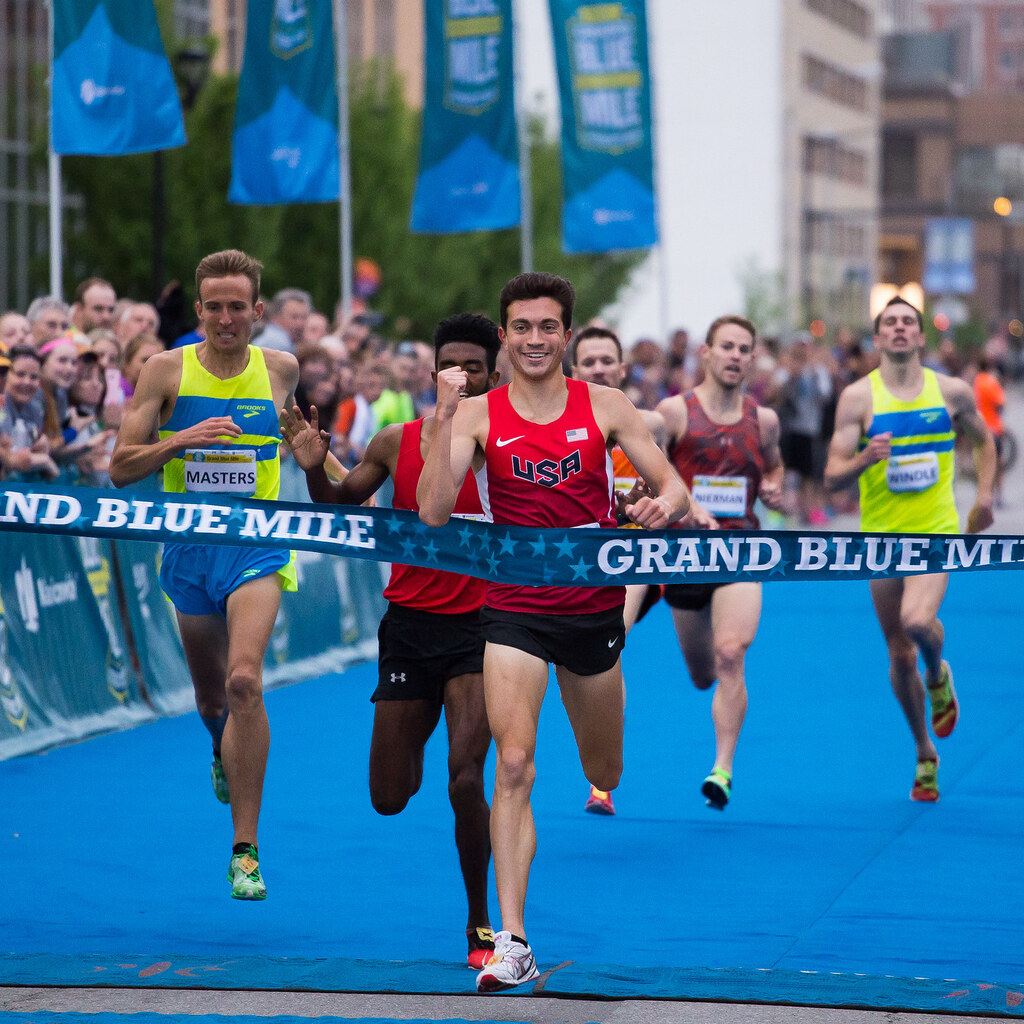
You win something when you are better or faster at it than everyone else. You win a race when you cross the finish line first. You win an art competition when your picture is better than everyone else's. Your team wins a game like soccer if they score the most goals. And you win an eating competition if you eat more than everyone else.
The opposite of win is lose.