


Fis forFlying fish
Flying fish are a type of fish with very big fins. They can jump out of the water to get away from things that want to eat them, and then they glide through the air for some distance before they fall back into the water again.
They can glide for around 50-400 metres, and reach speeds of up to 70km/h. Flying fish eat plankton, and are themselves eaten by tuna and dolphins.
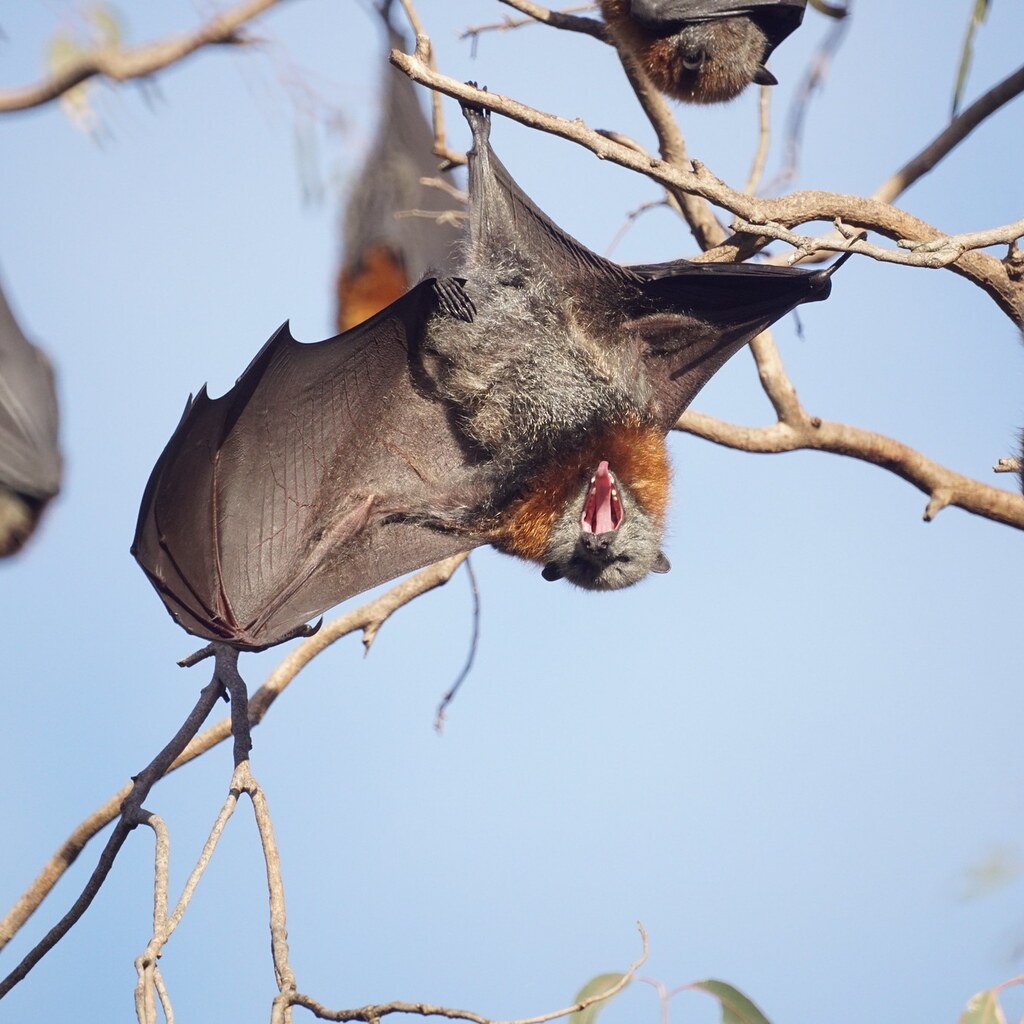
Fis forFlying fox
A flying fox is a type of very large bat with a wingspan as wide as a person's arms and a face that looks a bit like a fox. It lives in warm places and mostly eats fruit and nectar.
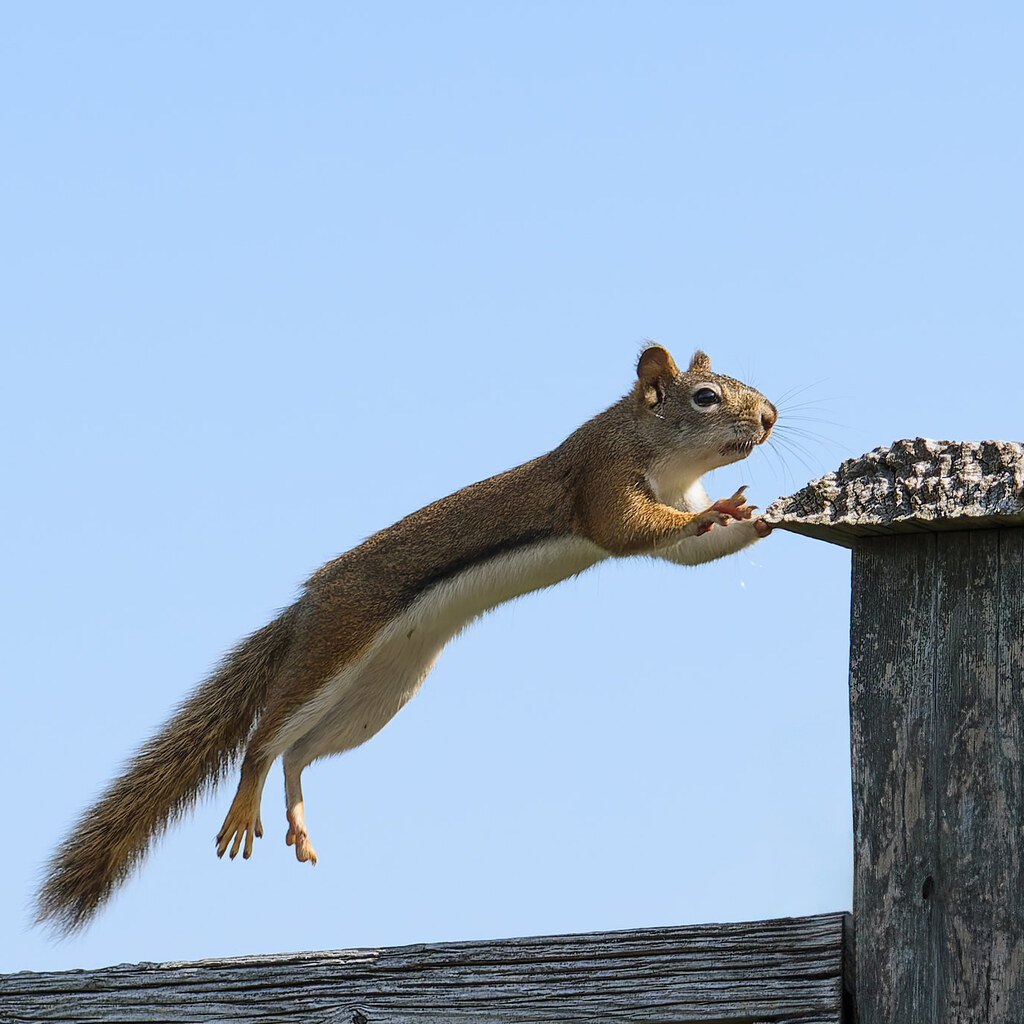
Fis forFlying squirrel
Scientific name: tribe: pteromyini

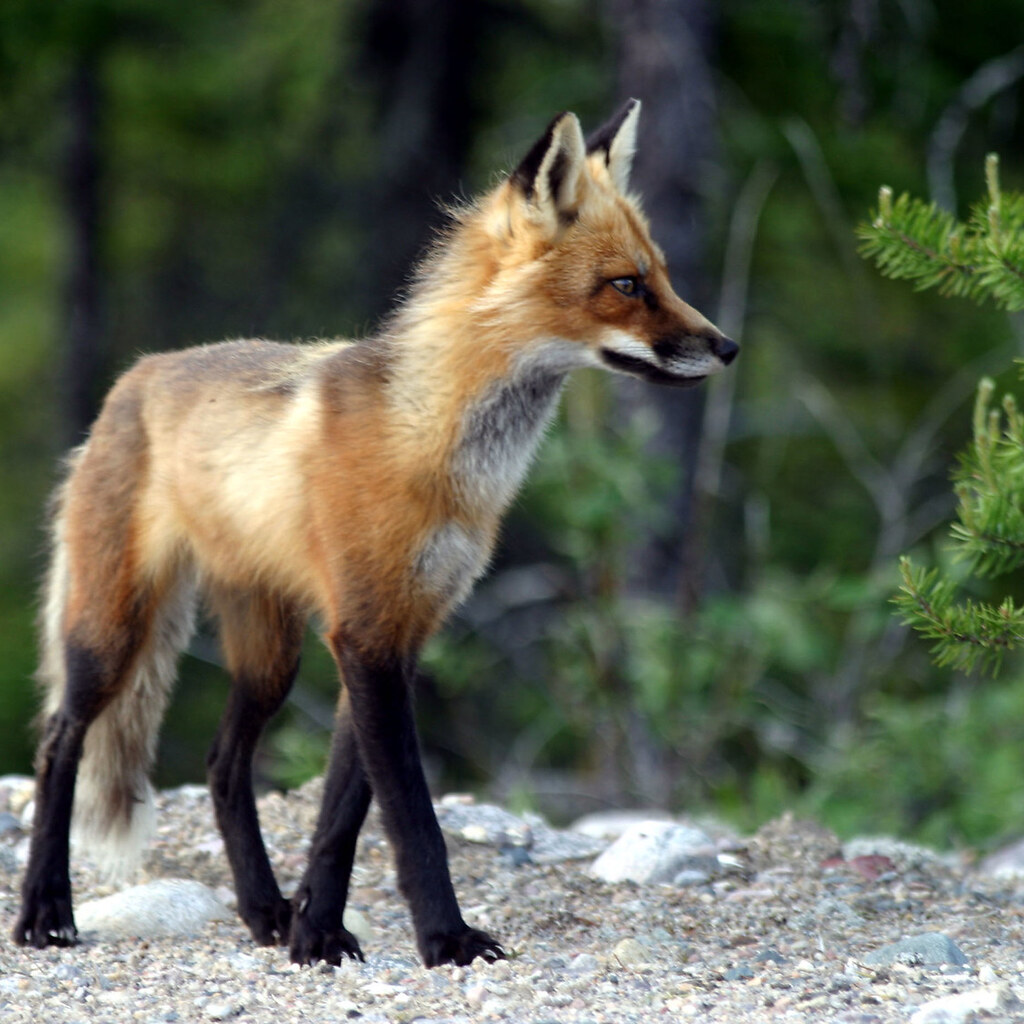
Scientific name: family: canidae
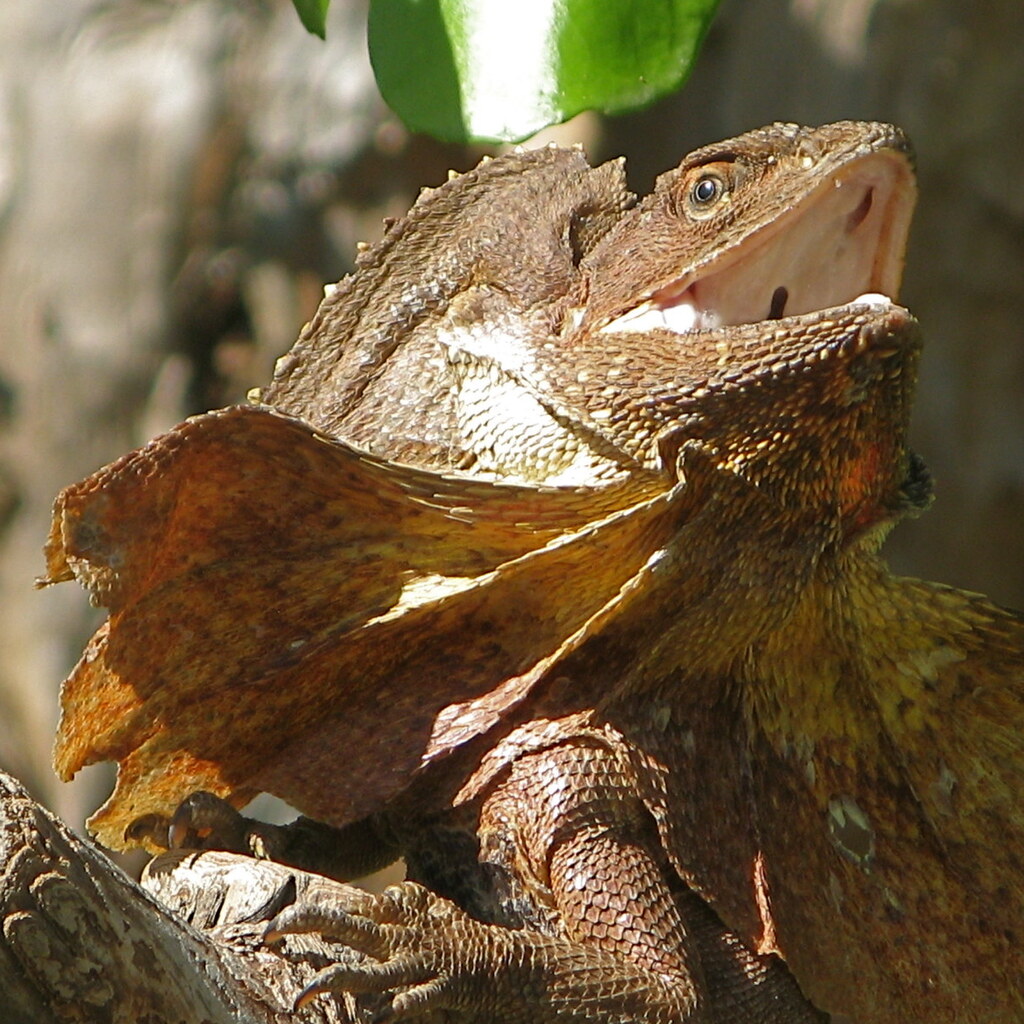
Fis forFrill necked lizard
Scientific name: chlamydosaurus kingii
The frill necked lizard, frilled lizard or frilled dragon is found in dry regions of Australia and New Guinea. It can grow to a metre long including its tail. The lizard has a large frill around its neck that it can raise when it is disturbed, and the frill is meant to frighten off whatever disturbed it. If the frill doesn't work it will run away and hide up a tree.
Frill neck lizards eat insects and small lizards.

Frogs can be found around fresh water, including in deserts when it only rains every few years. They can breathe through their skin when they are in water. Frogs lay eggs, which hatch into tadpoles. Frogs come in a great variety of colours and can range in size from as small as a fingernail up to about 30cm long. Frogs that are very warty are often called toads.