
Showing 221-240 of 416


A plan is a set of ideas about what you are going to do. You might plan a day out, a trip, or a project.
The people in the picture are planning a military operation.
The people in the picture are planning a military operation.

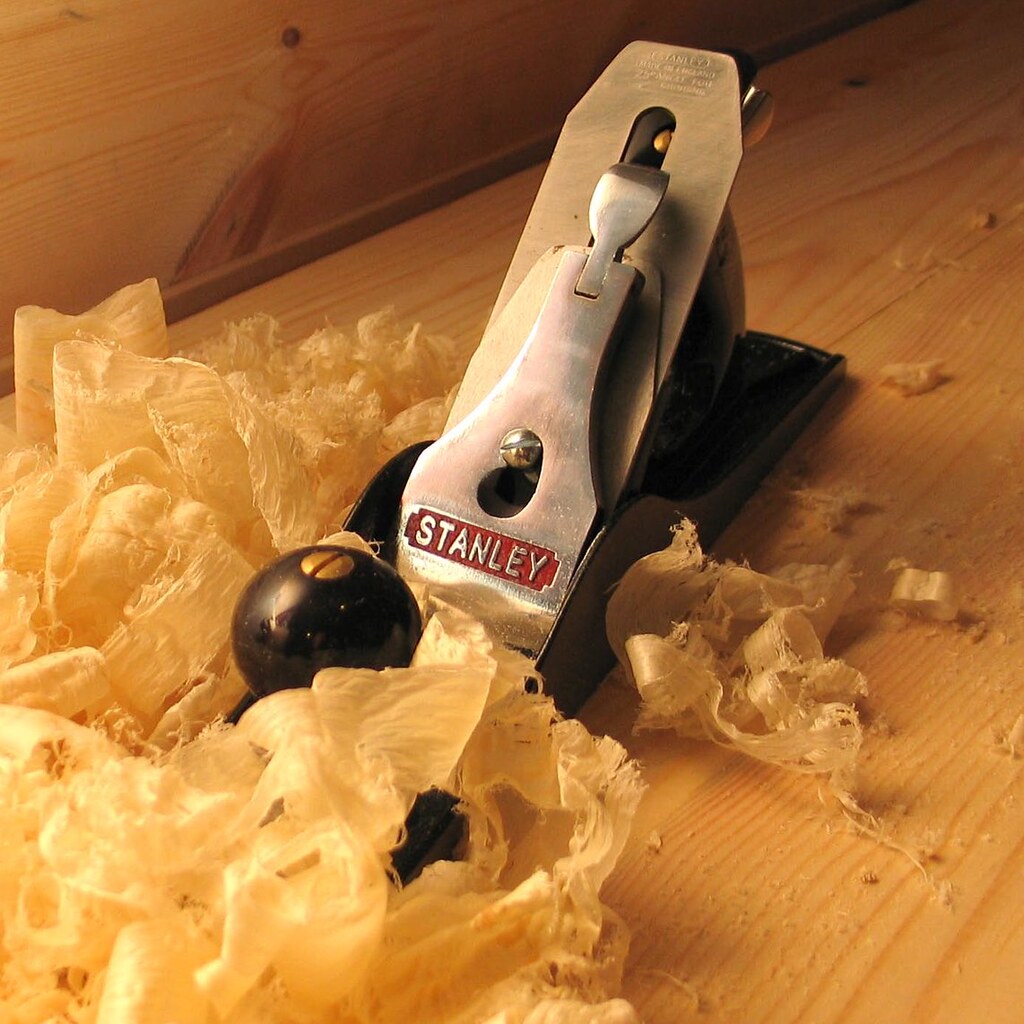
P is for Plane (Tool)
As with many hand tools, you can also buy electric planes that don't require as much force to get them to work.

A planet is a large body that orbits a sun. Planets, unlike suns, do not give off light. Our solar system has eight planets, nine including pluto. They are:
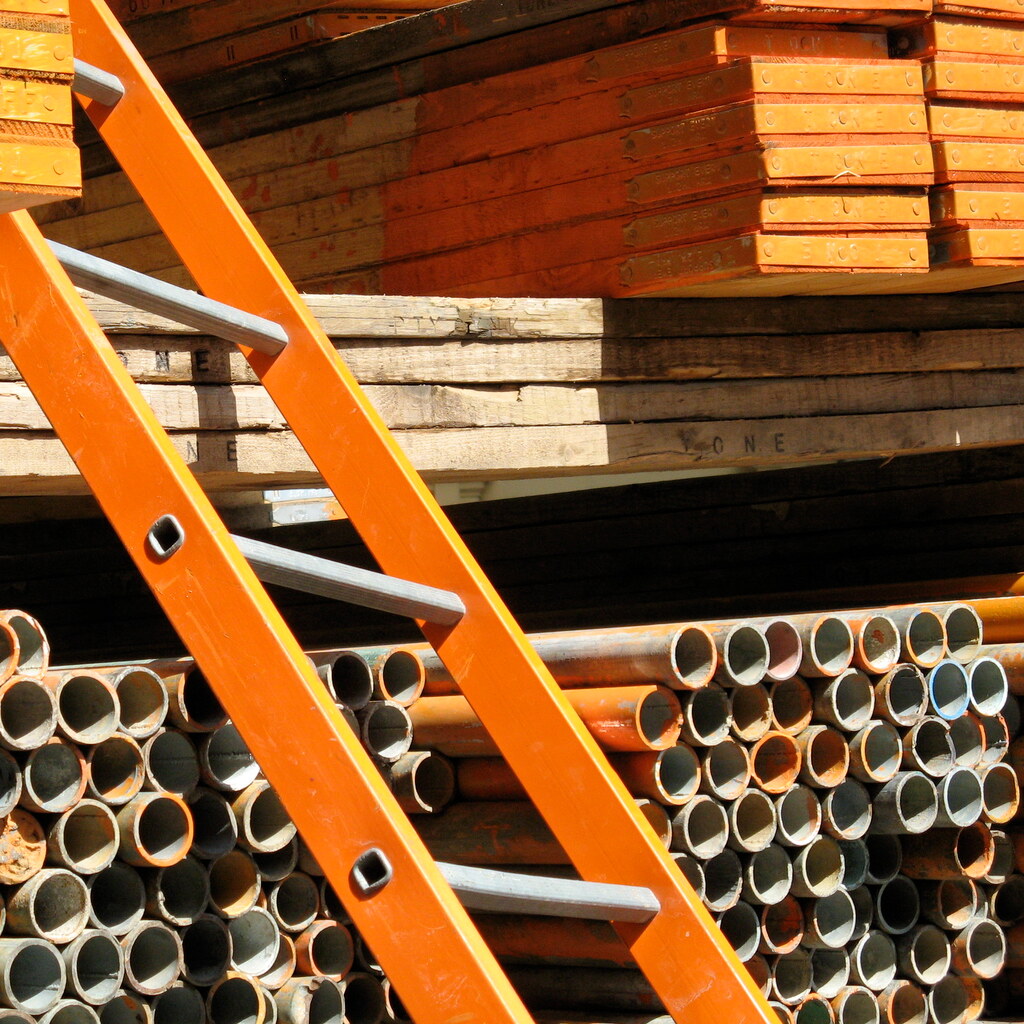
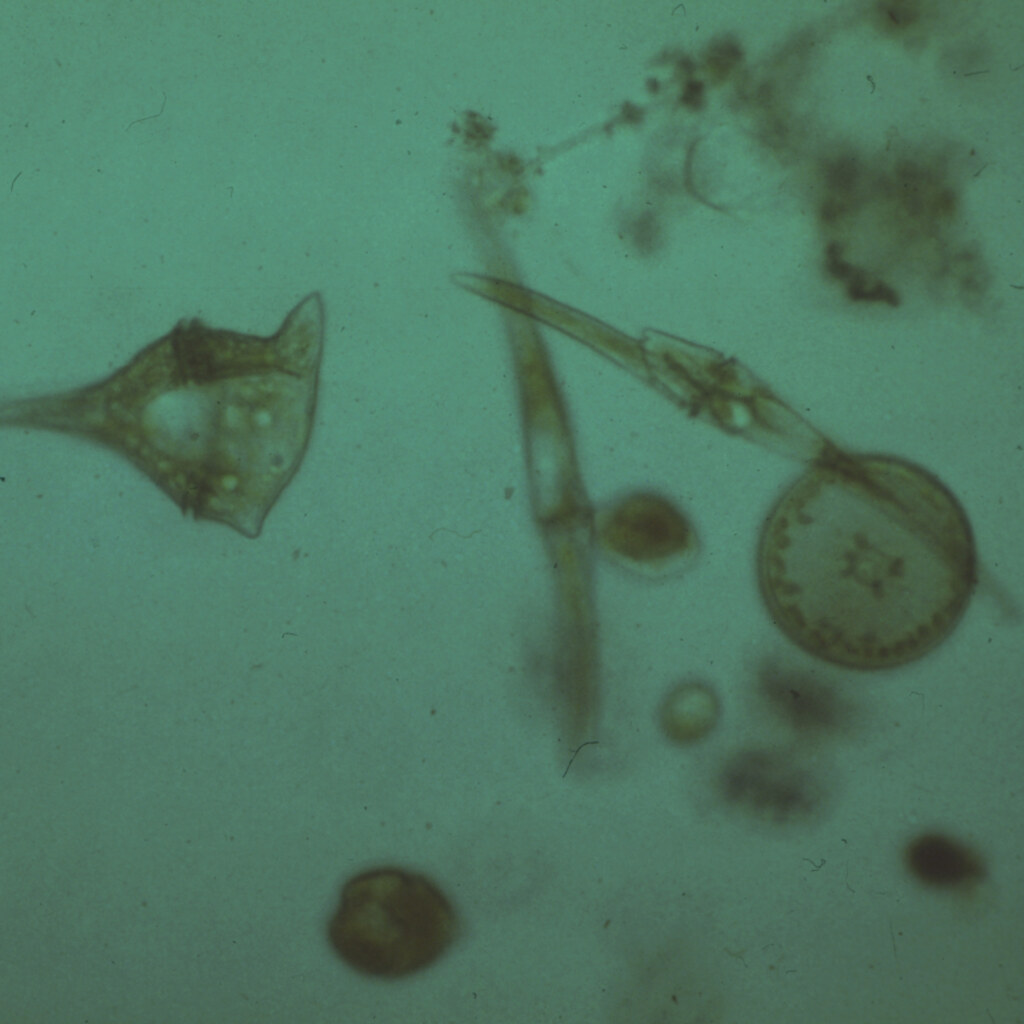
Plant is a word that covers an enormous number of living things in the world. Plants can be divided up into several groups, namely algae (that green slime you find in ponds), bryophytes (non vascular plants, or mosses and lichens - the small, often fuzzy plants that you see growing on rocks or on the ground in damp corners) and tracheophytes.
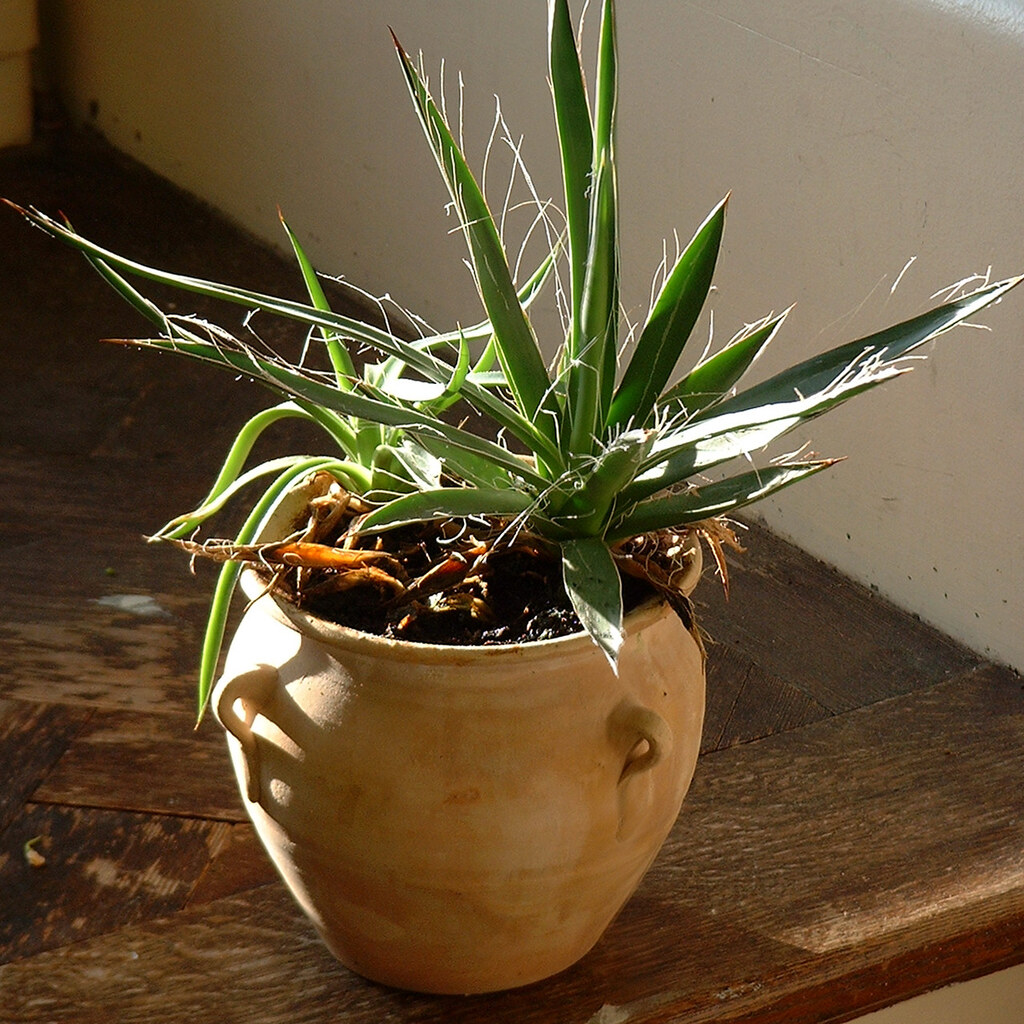
Tracheophytes, or vascular plants, are the most familiar. They include all the trees, ferns, grass and flowers you see around your neighbourhood. The plant in the picture is a vascular plant, growing in a pot.
Tracheophytes, or vascular plants, are the most familiar. They include all the trees, ferns, grass and flowers you see around your neighbourhood. The plant in the picture is a vascular plant, growing in a pot.
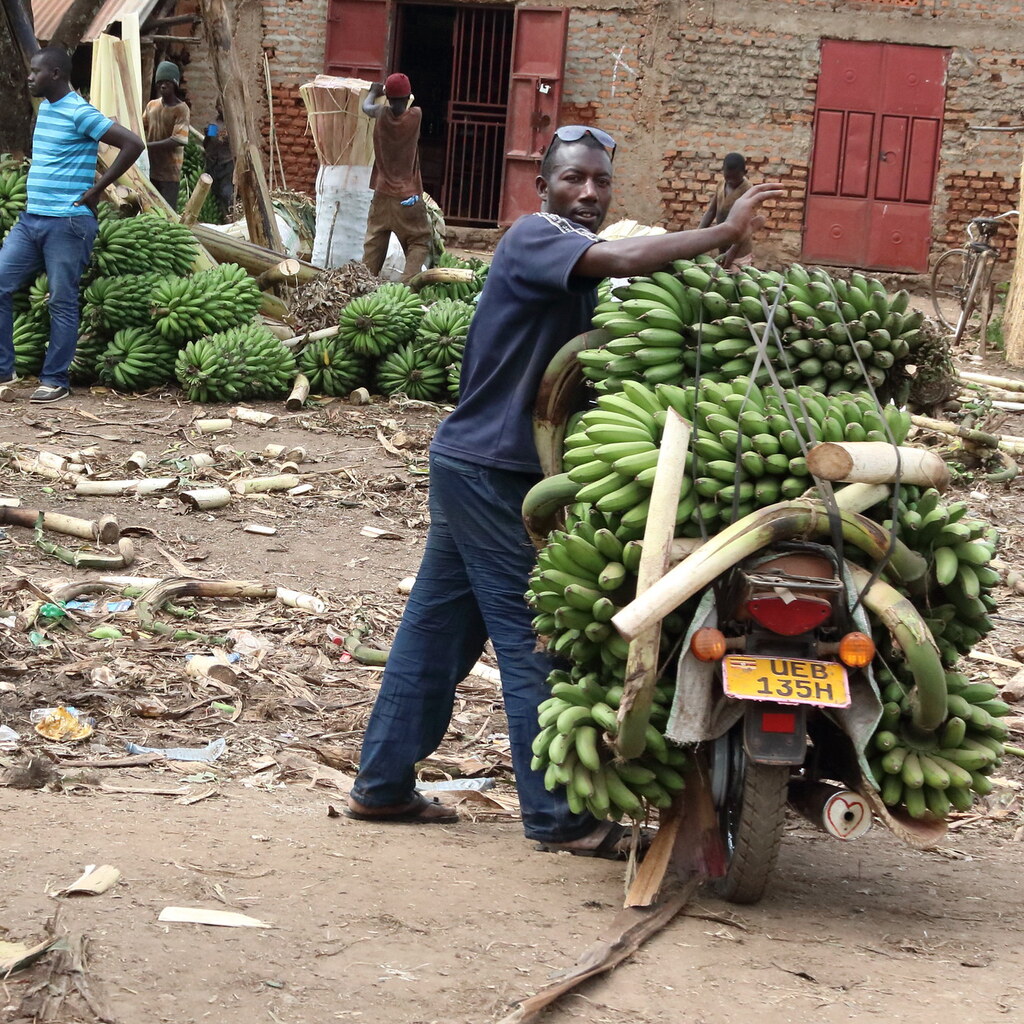
The plantain is a kind of fruit that looks like a banana, but it can be longer and firmer.
Plantains are common in Africa, the Caribbean, and Latin America. They can be fried, boiled, or baked.
Plantains are common in Africa, the Caribbean, and Latin America. They can be fried, boiled, or baked.
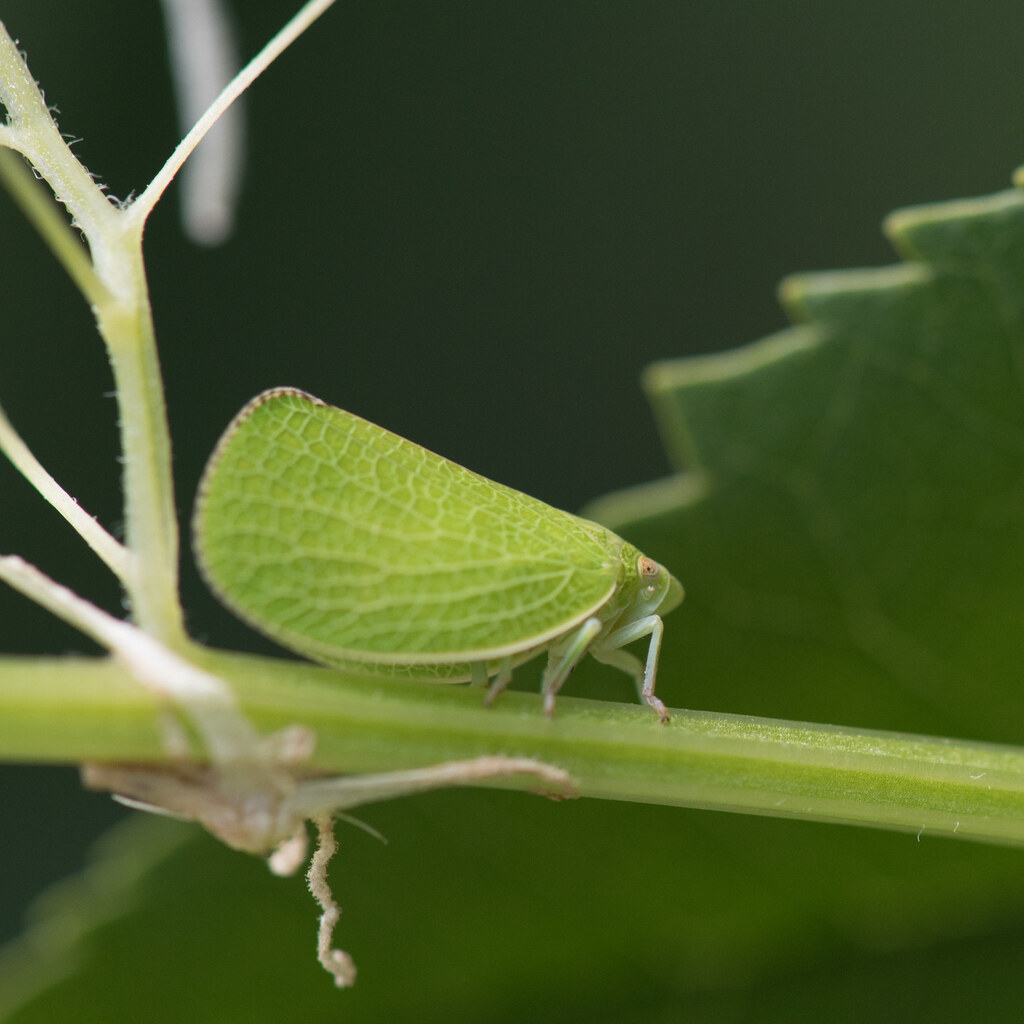
P is for Planthopper
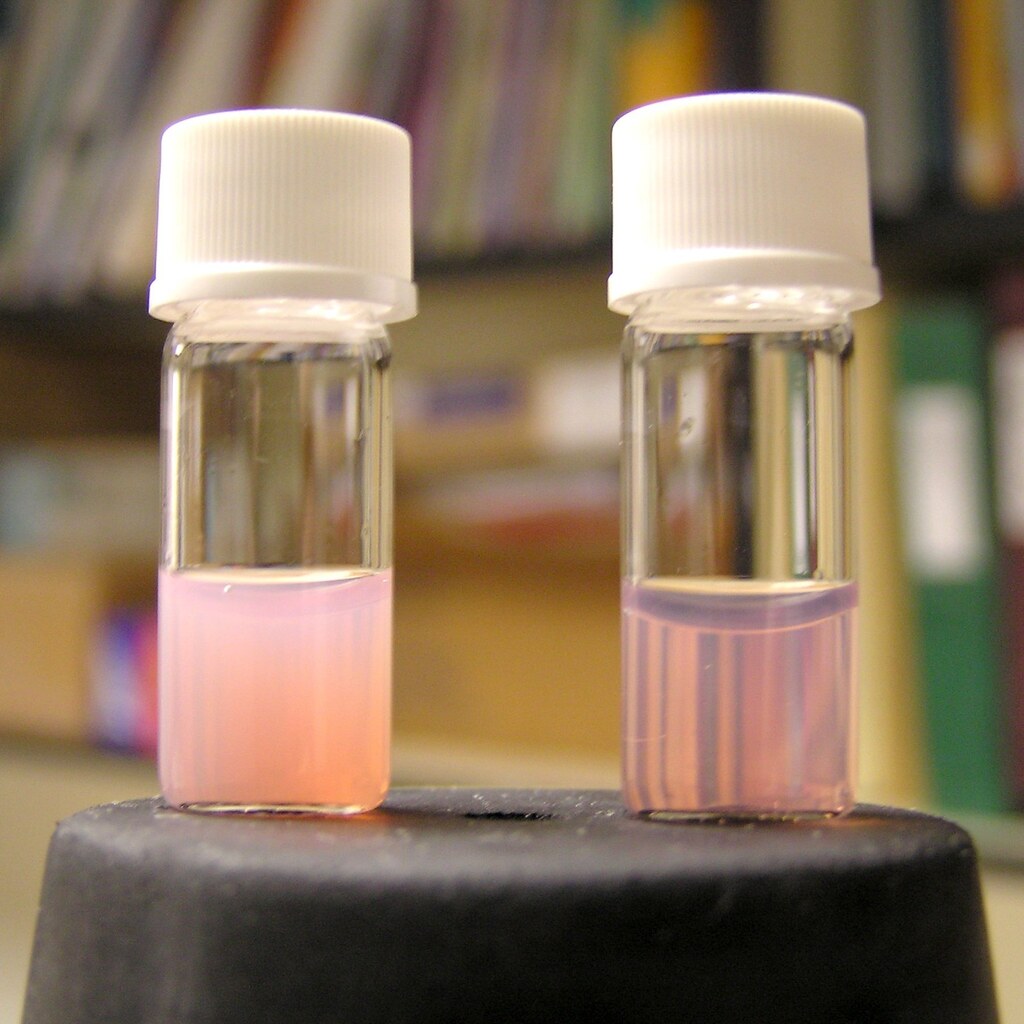
Plasma is the pale, liquid part of blood. Plasma makes up about half of the volume of blood.
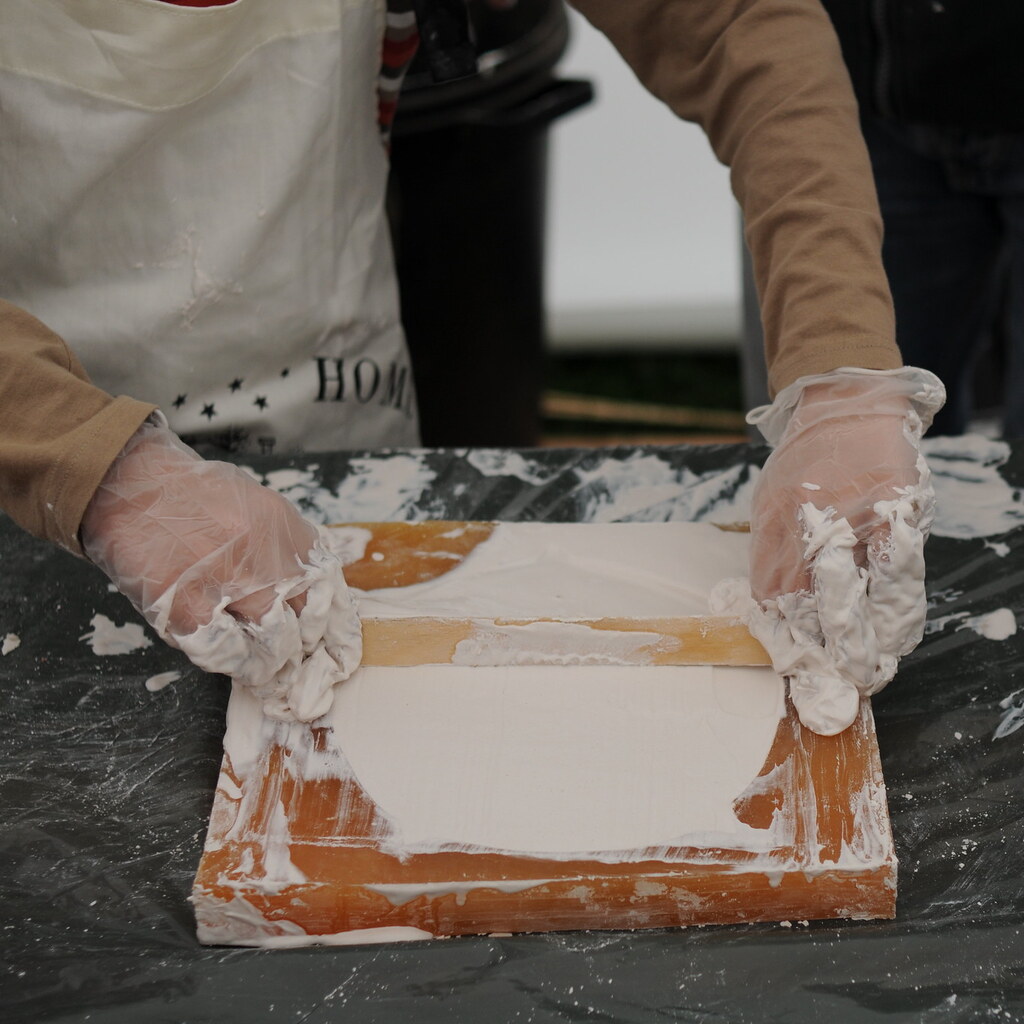
Plaster is a white powdered substance that is made from gypsum, a kind of stone. When water is added to plaster it stays as a wet paste for a little while but then it goes hard. As it goes hard it gets hot - plaster setting is an exothermic reaction. If you are going to put plaster on your skin you should do it slowly, in thin layers or you could get burnt.
Today, plaster is most commonly used mixed with lime to line the inside walls of houses, or put into bandages to hold a broken bone in place as it heals.
Today, plaster is most commonly used mixed with lime to line the inside walls of houses, or put into bandages to hold a broken bone in place as it heals.
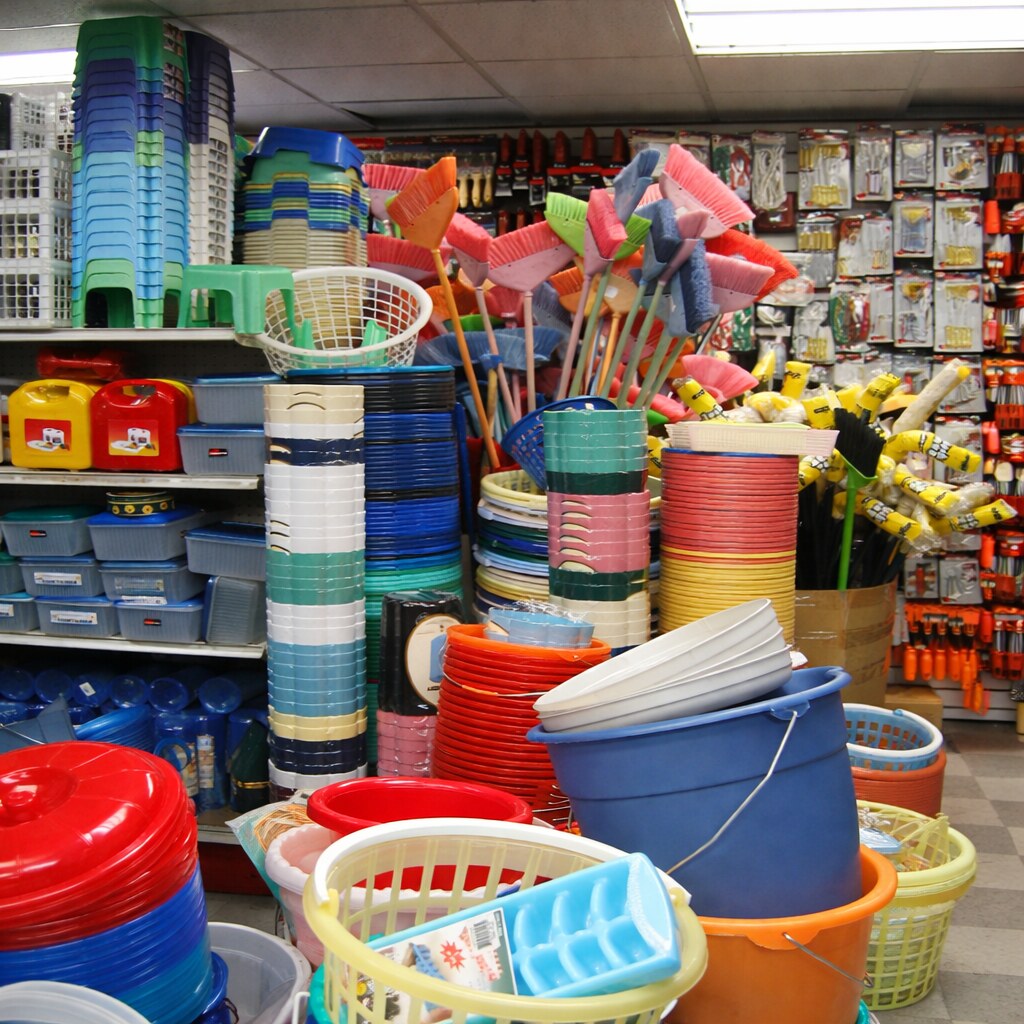
Plastics are a synthetic material that can be cast into virtually any shape. Plastics can range from hard to soft, can be flexible or firm, transparent or opaque. Plastics of various kinds are used in the making or packaging of virtually everything nowadays.

P is for Plastic wrap
Some kinds of plastic wrap come on very large rolls and are used to wrap up large things like pallets of bricks or newspaper to stop them from being damaged in transit. These kinds of plastic wrap aren't meant to be used on food.
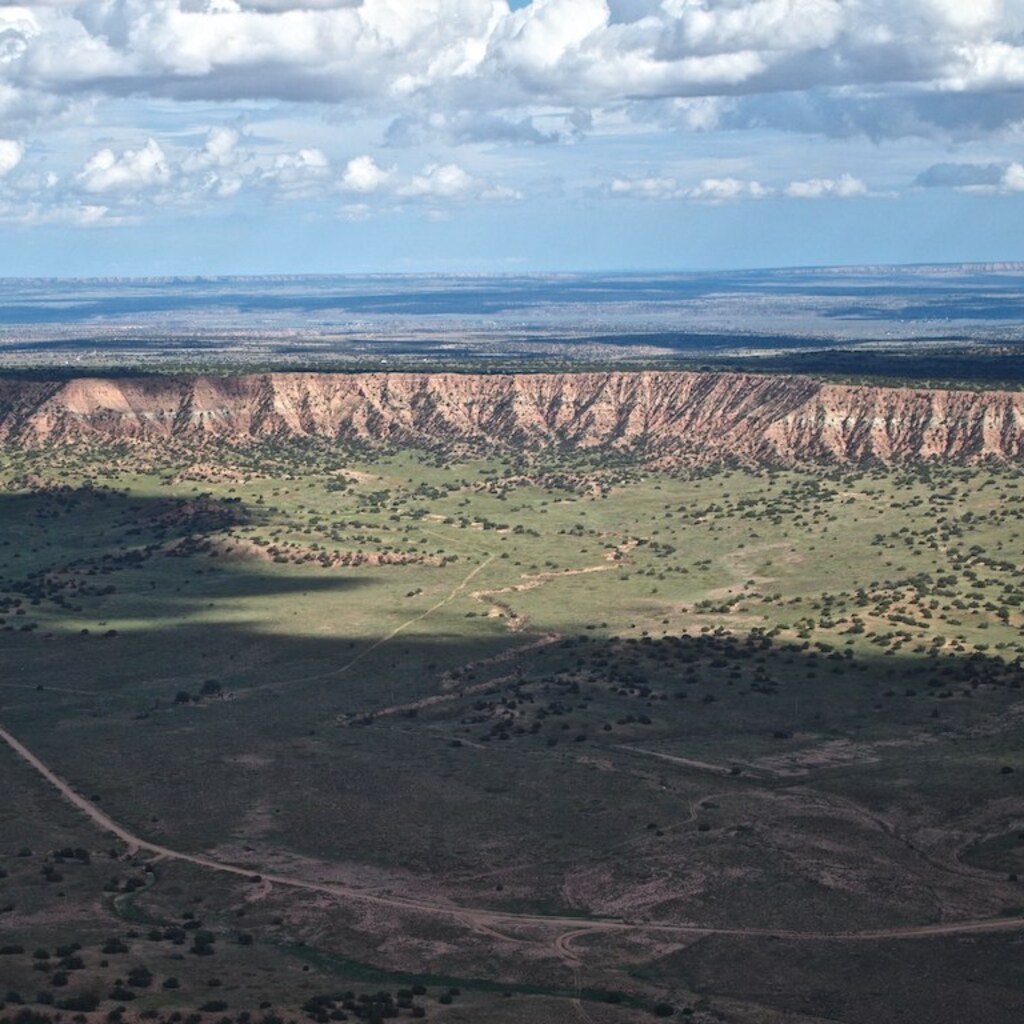
A plateau is a wide, flat area of land that is higher than the surrounding area, often due to being neighbored by canyons or valleys on all sides.
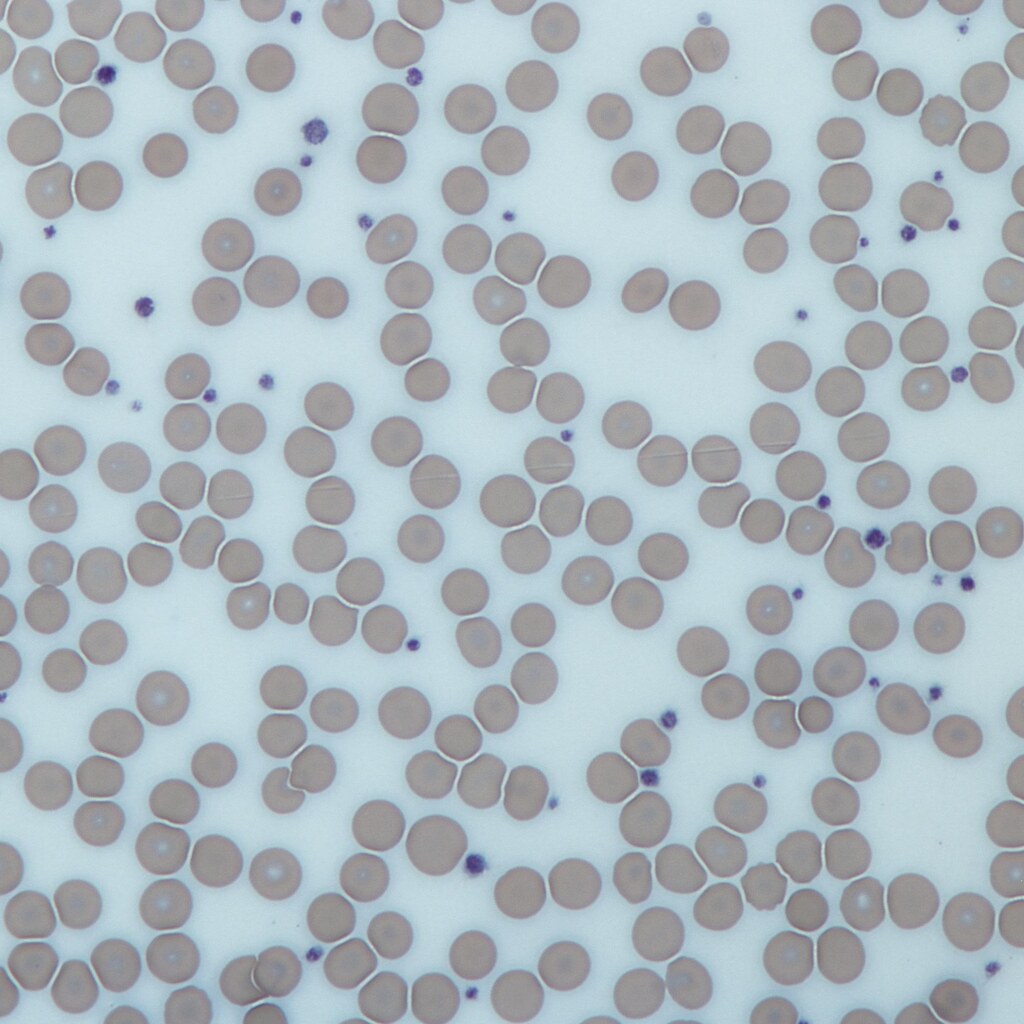
Platelets are small blood cells in your body. They help your blood clot so you stop bleeding when you get a cut.
In the picture, the platelets are the small purple dots.
In the picture, the platelets are the small purple dots.

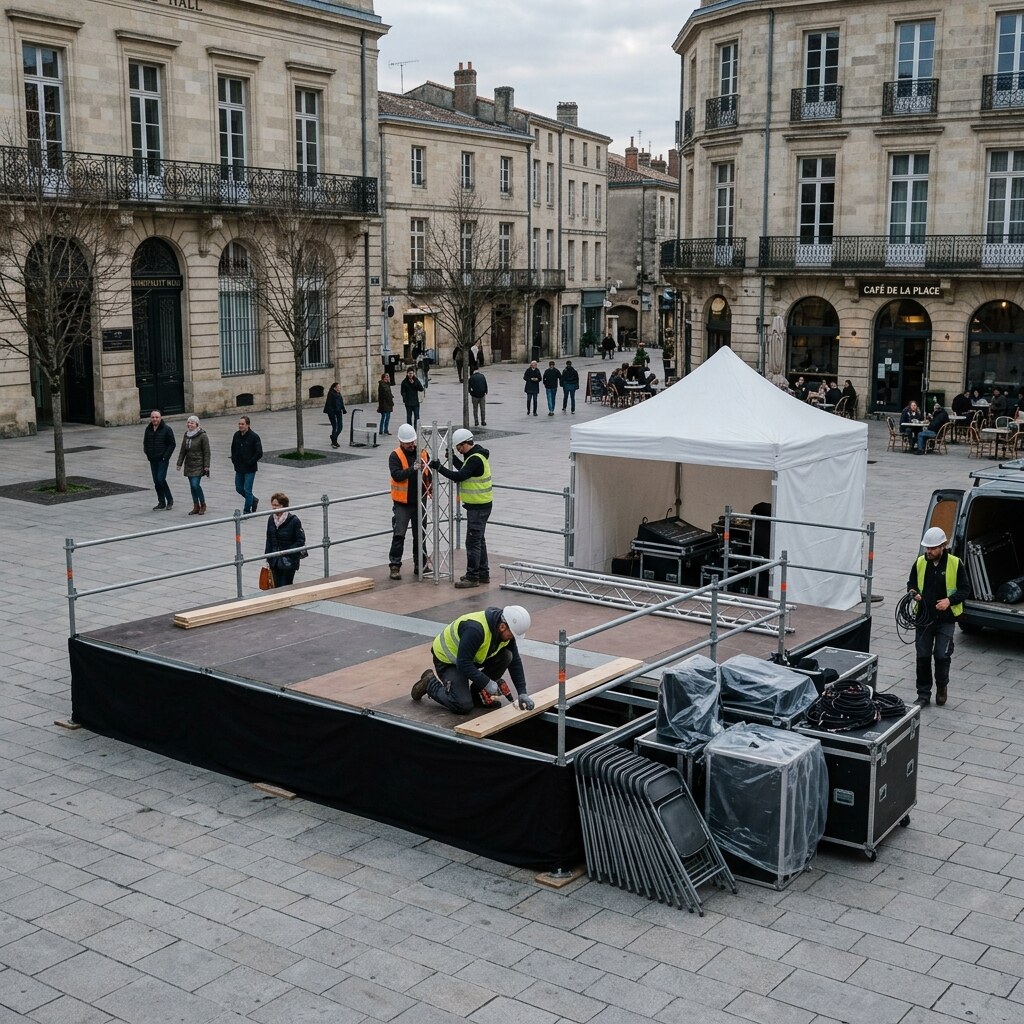
A platform is a horizontal surface that is raised up higher than what is around it.
Platforms are commonly used at train stations so you can get into the train easier, and as a stage.
Platforms are commonly used at train stations so you can get into the train easier, and as a stage.
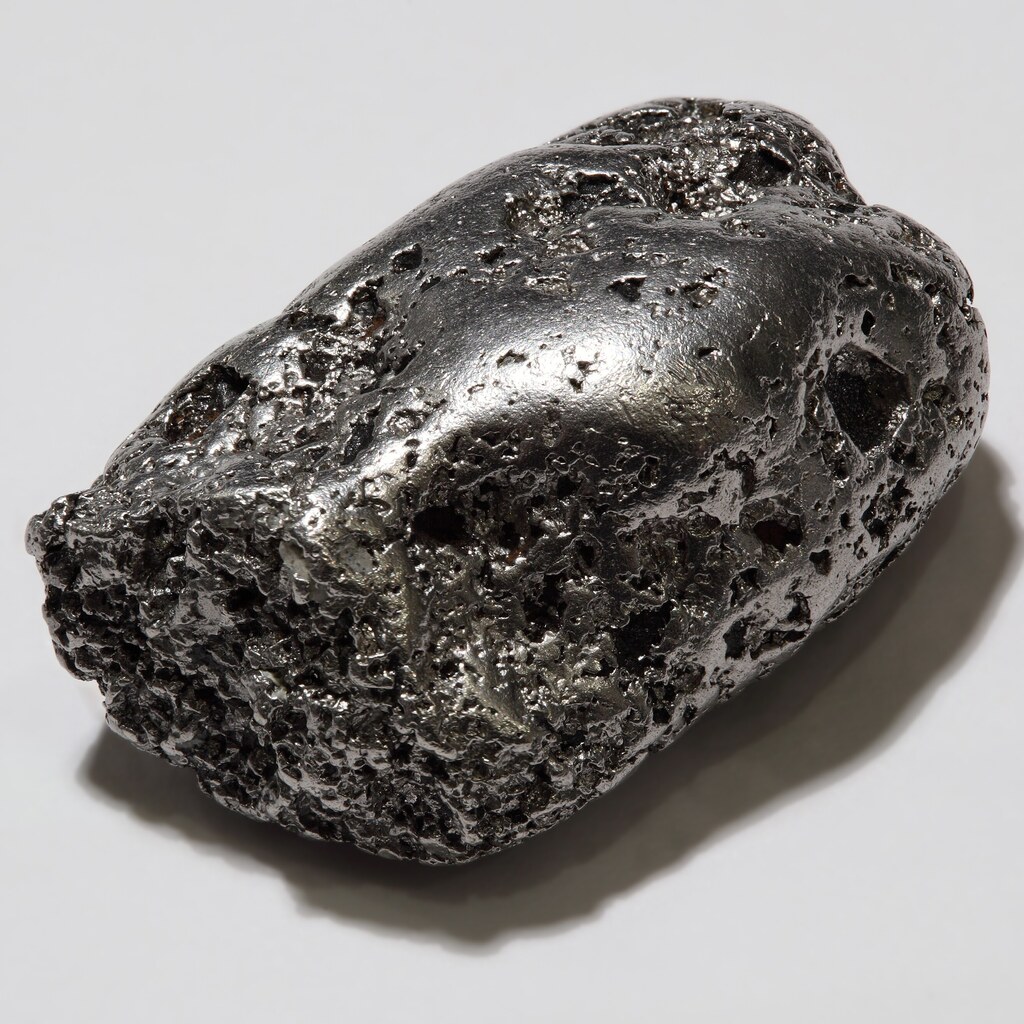
Platinum is a corrosion-resistant precious metal. It is mainly used in jewellery, electronic components and laboratory equipment but it has other uses as varied as the automotive industry and dentistry.

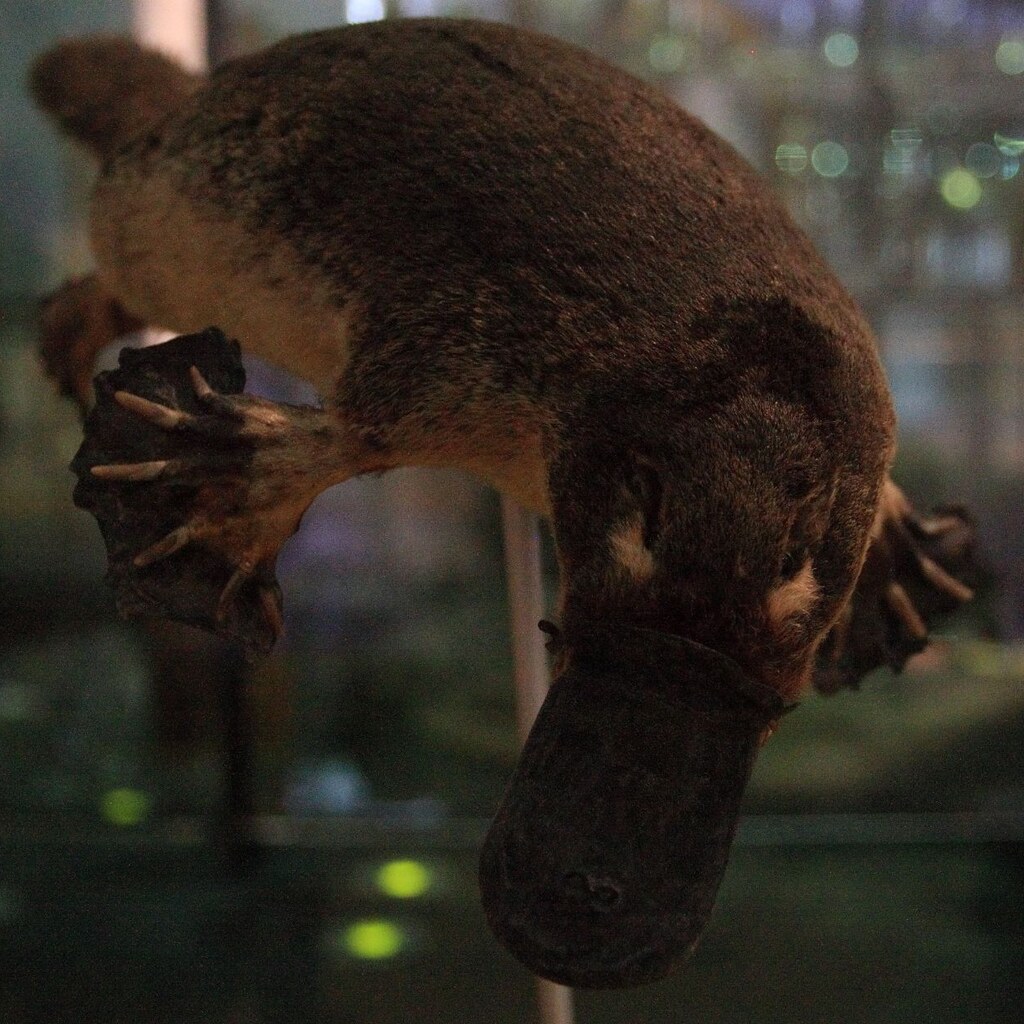
The platypus is a very unusual animal found only in Australia. It lays eggs, but it is not a bird. Platypus and echidnas are the only two animals that lay eggs. The male platypus can inject you with venom from a spur on its hind leg, but it is not related to the snake.
Platypus are found in waterways, and are very good swimmers. They grow to about half a metre long, and are dark brown with a rubbery snout, very much like a duck's beak.
Platypus are found in waterways, and are very good swimmers. They grow to about half a metre long, and are dark brown with a rubbery snout, very much like a duck's beak.